 July 2024 in “Clinical Cosmetic and Investigational Dermatology”
 Certain immune cells are linked to non-scarring hair loss, suggesting potential for immune-targeted treatments.
 13 citations
,
July 2020 in “bioRxiv (Cold Spring Harbor Laboratory)”
13 citations
,
July 2020 in “bioRxiv (Cold Spring Harbor Laboratory)” Four drugs were found that could potentially treat COVID-19 by inhibiting the virus in lab tests.
 January 2010 in “Yearbook of Endocrinology”
 Two new compounds can block androgen receptor activity in different ways and may lead to new treatments for androgen-related diseases.
 3 citations
,
May 2021 in “Archiv der Pharmazie”
3 citations
,
May 2021 in “Archiv der Pharmazie” SUN11602 and ONO-1301 could help in skin healing and creating artificial skin.
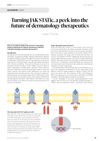 August 2024 in “New Zealand Medical Student Journal”
 JAK inhibitors show promise for treating skin diseases effectively and safely.
1 citations
,
October 2023 in “European Journal of Dermatology” Combining hair transplantation with PRP is more effective for treating hair loss than hair transplantation alone.
1 citations
,
May 2022 in “IntechOpen eBooks” Natural products might help treat COVID-19, but current drugs like hydroxychloroquine haven't worked.
January 2019 in “Springer eBooks” Combination therapies might work better for some vitiligo patients, but results vary.
1 citations
,
October 2025 in “International Journal of Molecular Sciences” Natural compounds may help treat advanced papillary thyroid cancer by targeting specific molecular pathways.
 20 citations
,
September 2005 in “Endocrinology”
20 citations
,
September 2005 in “Endocrinology” Certain changes to the B-ring of androgen receptor ligands can increase their effectiveness for potential treatments of muscle and bone conditions.
2 citations
,
November 2024 in “JAAD Case Reports” Anti-PD-L1 immunotherapy can cause hair loss and unexpected hair color change, but treatment can restore hair growth and color.
 47 citations
,
December 2019 in “Frontiers in immunology”
47 citations
,
December 2019 in “Frontiers in immunology” A new mutation in the STING protein causes a range of symptoms and its severity may be affected by other genetic variations; treatment with a specific inhibitor showed improvement in one patient.
52 citations
,
September 2014 in “Nature medicine” JAK inhibitors might help treat alopecia areata.
 January 2025 in “PROTEOMICS”
 Drug repositioning is a promising way to quickly develop new treatments, especially for rare diseases.
October 2023 in “Frontiers in Pharmacology” Research on HIV-1 capsid inhibitors has progressed significantly, with the U.S. leading in contributions.
January 2024 in “Wiadomości Lekarskie” DEC cells show promise as a safe and effective treatment for Duchenne muscular dystrophy.
 21 citations
,
May 1989 in “Advanced Drug Delivery Reviews”
21 citations
,
May 1989 in “Advanced Drug Delivery Reviews” Liposomes show promise in cancer treatment by delivering drugs with less toxicity and improved effectiveness.
7 citations
,
May 2010 in “Drug Delivery” Retinoic acid and DMSO improve gene delivery to mouse skin for potential hair and skin disease treatment.
 1 citations
,
April 2018 in “Journal of Investigative Dermatology”
1 citations
,
April 2018 in “Journal of Investigative Dermatology” Tofacitinib helped most patients with alopecia areata regrow hair and changes in immune cells were linked to the treatment's effectiveness.
A new method allows for controlled, long-lasting delivery of retinoic acid through the skin with less inflammation.
21 citations
,
April 2016 in “International Journal of Oncology” GnRH treatment can reduce breast cancer cell invasion.
 June 2023 in “jurnal veteriner”
 The combination of Typhonium flagelliforme extract and natural interferons effectively reduces tumor growth in mice.
 222 citations
,
October 2014 in “Annual Review of Pharmacology and Toxicology”
222 citations
,
October 2014 in “Annual Review of Pharmacology and Toxicology” Eph receptors and ephrins may be promising targets for treating diseases, but more understanding is needed for effective and safe therapies.
Retinoids or their analogs could treat skin pigmentation disorders like melasma and vitiligo.
105 citations
,
February 2010 in “Endocrinology” The skin produces and responds to thyroid-stimulating hormone, which is controlled by other thyroid-related hormones.
August 2023 in “Portuguese journal of dermatology and venereology” Cyclosporine can reverse hair graying.
 87 citations
,
December 2016 in “British journal of dermatology/British journal of dermatology, Supplement”
87 citations
,
December 2016 in “British journal of dermatology/British journal of dermatology, Supplement” Cancer patients treated with immune checkpoint inhibitors may develop alopecia, but some hair regrowth is possible with treatment.
December 2025 in “International Journal of Dermatology” Combining low-dose oral minoxidil with immunomodulators shows promise for treating alopecia areata but needs more research.
 January 2024 in “Wiadomości Lekarskie”
 AI and new therapies show promise in medicine, especially for cancer and regenerative treatments.
 April 2019 in “Journal of Investigative Dermatology”
 Non-coding RNA boosts retinoic acid production and signaling, aiding regeneration.