133 citations
,
July 1994 in “Journal of Dermatological Science” Human hair growth can be influenced by certain growth factors and has specific metabolic needs.
 76 citations
,
August 2018 in “International Journal of Cosmetic Science”
76 citations
,
August 2018 in “International Journal of Cosmetic Science” Dermal Papilla cells are a promising tool for evaluating hair growth treatments.
 13 citations
,
December 1991 in “Annals of the New York Academy of Sciences”
13 citations
,
December 1991 in “Annals of the New York Academy of Sciences” Researchers created a lab model to study human hair growth, showing it can grow and self-regulate outside the body.
 5 citations
,
November 2017 in “Elsevier eBooks”
5 citations
,
November 2017 in “Elsevier eBooks” Scientists can now grow hair-like structures in a lab using special 3D culture systems, which could potentially help people with hair loss or severe burns.
 3 citations
,
March 2023 in “Scientific Reports”
3 citations
,
March 2023 in “Scientific Reports” Researchers developed a new method to test hair growth drugs and found that adult cells are best for hair growth, but the method needs improvement as it didn't create mature hair follicles.

Researchers developed a cost-effective, ethical skin model using hairless guinea pig cells for toxicology studies.
March 2026 in “Ageing Research Reviews” Advanced lab models are needed to better study human skin aging and develop treatments.
 July 2025 in “Biotechnology and Bioprocess Engineering”
 Spirulina extract may effectively promote hair growth and reduce inflammation, offering a natural alternative for hair loss treatment.
January 2023 in “Skin Research and Technology” New methods effectively measure how well hair products clean and protect against pollution.
 June 2026 in “BMC Biotechnology”
 The new model mimics hair loss and helps test treatments.
September 2016 in “Toxicology letters” The 5050 MHA42MCS45 hydrogel blend is suitable for repairing load-bearing soft tissues.
 208 citations
,
January 2013 in “Lab on a Chip”
208 citations
,
January 2013 in “Lab on a Chip” The Multi-Organ-Chip improves the growth and quality of skin and hair in the lab, potentially replacing animal testing.
 44 citations
,
June 2018 in “Journal of Cellular Physiology”
44 citations
,
June 2018 in “Journal of Cellular Physiology” Researchers developed a 3D model of human hair follicle cells that can help understand hair growth and test new hair loss treatments.
 19 citations
,
March 2017 in “PLoS ONE”
19 citations
,
March 2017 in “PLoS ONE” PSU are better than THF at regenerating skin layers in lab models.
16 citations
,
November 2020 in “In Vitro Cellular & Developmental Biology - Animal” Microfollicles can effectively model human hair follicles for research and testing.
January 2026 in “Cellular and Molecular Bioengineering” A 3D model of Dupuytren’s disease was developed for better drug testing.
1 citations
,
June 2026 in “Disease Models & Mechanisms” Three-dimensional culture platforms improve hair loss drug testing.
26 citations
,
October 2020 in “Biomedicines” Bioengineered skin models help reduce animal testing and advance research in cosmetics and skin disease.
 10 citations
,
April 2013 in “Journal of Investigative Dermatology”
10 citations
,
April 2013 in “Journal of Investigative Dermatology” Scientists created a model using sheep cells to study hair root formation, which can test how different substances affect hair growth.
 3 citations
,
October 2022 in “PloS one”
3 citations
,
October 2022 in “PloS one” Scientists have developed a method to keep chicken feather follicles alive and structurally intact in a lab for up to a week.
November 2024 in “Journal of Investigative Dermatology” Microfluidic models improve testing for aging, wound healing, and oral tissue, reducing animal testing.
 February 2024 in “Journal of medicinal food”
 The research found a way to develop hair growth materials by targeting a specific signaling pathway.
 1 citations
,
January 2022 in “Stem cell biology and regenerative medicine”
1 citations
,
January 2022 in “Stem cell biology and regenerative medicine” New methods to test hair growth treatments have been developed.
 July 2025 in “Archives of Toxicology”
 The new skin model can predict how chemicals might cause skin allergies.
July 2024 in “Journal of Investigative Dermatology” Bioengineered skin models aging well, useful for studying aging and testing treatments.
 October 2021 in “Journal of Investigative Dermatology”
 The study concluded that the developed models are effective for studying hair growth mechanisms and testing new treatments.
 48 citations
,
June 2013 in “Journal of Dermatological Science”
48 citations
,
June 2013 in “Journal of Dermatological Science” Valproic acid may help hair grow and could be a safe treatment for hair loss.
45 citations
,
June 2003 in “Journal of Investigative Dermatology Symposium Proceedings” Understanding hair follicles through various models can help develop new treatments for hair disorders.
33 citations
,
February 2009 in “European journal of pharmaceutics and biopharmaceutics” Pig ear skin is better than human skin for testing how well barrier creams block allergens from entering hair follicles.
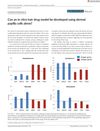 3 citations
,
February 2021 in “Experimental dermatology”
3 citations
,
February 2021 in “Experimental dermatology” Dermal papilla microtissues could be useful for initial hair growth drug testing.