2 citations
,
May 2024 in “Immunity” Stem cells help control the immune response to improve wound healing.
1 citations
,
November 2025 in “Stem Cell Research & Therapy” Immortalized hair follicle cells could be useful for regenerative medicine and treating inflammation and oxidative stress.
1 citations
,
July 2025 in “Journal of Investigative Dermatology” IL-27 may help prevent hair loss by creating immune-suppressing cells.
March 2026 in “Frontiers in Bioengineering and Biotechnology” Stem cell-derived fibroblasts can effectively repair skin wounds.
 March 2026 in “Molecular and Cellular Biomedical Sciences”
 EH-MSCs may help treat hair loss by reducing inflammation.
July 2024 in “Journal of Investigative Dermatology” IL-27 may help prevent hair loss in alopecia areata by promoting immunosuppressive T cells.
May 2023 in “The Journal of Immunology” Alopecia areata involves unique activation of certain immune cells.
 April 2023 in “Journal of Investigative Dermatology”
 Ectomesenchyme is a key source of skin stem cells.

Deleting Smad4 and PTEN genes in mice causes rapid, invasive stomach cancer.
 January 2023 in “Biomedicine & Pharmacotherapy”
 Low oxygen conditions improve how well certain stem cells from embryos can make hair grow longer and faster.
 October 2021 in “Journal of Investigative Dermatology”
 The study concluded that the developed models are effective for studying hair growth mechanisms and testing new treatments.
RCS-01 cell therapy is safe and improves skin gene expression.
April 2020 in “International Journal of Dermatology” T-cell patterns in skin help distinguish alopecia areata from androgenetic alopecia.
 2 citations
,
May 2017 in “The Journal of Dermatology”
2 citations
,
May 2017 in “The Journal of Dermatology” A Japanese bone marrow transplant patient developed a rare skin cancer possibly linked to long-term use of the medication voriconazole.
May 2025 in “Journal of the ASEAN Federation of Endocrine Societies” Postmenopausal women with unusual hair growth should be checked for ovarian tumors.
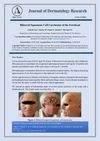
A 70-year-old man with skin cancer on both sides of his forehead was treated with surgery and cryotherapy, highlighting the need for early detection and prevention.
 August 2018 in “Journal of the American Academy of Dermatology”
 Patients often experience long-lasting changes to their hair after stem cell transplants.
 256 citations
,
October 2013 in “Proceedings of the National Academy of Sciences of the United States of America”
256 citations
,
October 2013 in “Proceedings of the National Academy of Sciences of the United States of America” Growing human skin cells in a 3D environment can stimulate new hair growth.
 47 citations
,
October 2016 in “Molecular and Cellular Endocrinology”
47 citations
,
October 2016 in “Molecular and Cellular Endocrinology” Androgens prevent hair growth by changing Wnt signals in cells.
 36 citations
,
March 2011 in “Nature Communications”
36 citations
,
March 2011 in “Nature Communications” Cells from a skin condition can create new hair follicles and similar growths in mice, and a specific treatment can reduce these effects.
 19 citations
,
January 2018 in “BioMed Research International”
19 citations
,
January 2018 in “BioMed Research International” miR-195-5p reduces hair growth ability in cells by blocking a specific growth signal.
 3 citations
,
April 2022 in “International Journal of Molecular Sciences”
3 citations
,
April 2022 in “International Journal of Molecular Sciences” Scientists turned mouse skin cells into hair-inducing cells using chemicals, which could help treat hair loss.
 September 2019 in “Journal of Investigative Dermatology”
 Dermal Papilla Cells grown in 3D and with stem cells better mimic natural hair growth conditions than cells grown in 2D.
June 2014 in “Experimental dermatology” The epidermis is crucial for hair growth.
 October 2013 in “Faculty Opinions – Post-Publication Peer Review of the Biomedical Literature”
 Three-dimensional culture helps dermal papilla cells grow new human hair follicles.
January 2006 in “Chinese Journal of Medical Aesthetics and Cosmetology” Microencapsulated human hair cells can successfully grow new hair follicles in mice.
55 citations
,
September 2003 in “Experimental Dermatology” PDGF signaling may play a role in hair growth cycle regulation.
 23 citations
,
February 2015 in “International Journal of Molecular Sciences”
23 citations
,
February 2015 in “International Journal of Molecular Sciences” Colchicine can inhibit hair growth by affecting cell activity and protein expression in hair follicles.
12 citations
,
November 2007 in “Journal of Investigative Dermatology” CD200 is not a reliable marker for identifying stem cells in all skin types.
11 citations
,
May 2023 in “Proceedings of the National Academy of Sciences” MicroRNA-205 helps hair regrow by making hair follicle stem cells less stiff.