Dutasteride can stabilize hair loss in patients with frontal fibrosing alopecia, but its safety in women is unclear, so use it with caution.
 1 citations
,
July 2018 in “Elsevier eBooks”
1 citations
,
July 2018 in “Elsevier eBooks” Alopecia Areata is an autoimmune hair loss condition, with various treatments showing mixed effectiveness and no guaranteed cure.
 96 citations
,
January 2013 in “International Journal of Trichology”
96 citations
,
January 2013 in “International Journal of Trichology” Trichoscopy is a useful, non-invasive way to diagnose different types of hair loss.
 117 citations
,
March 2013 in “Journal of the European Academy of Dermatology and Venereology”
117 citations
,
March 2013 in “Journal of the European Academy of Dermatology and Venereology” No effective treatment for frontal fibrosing alopecia was found, but oral 5-alpha-reductase inhibitors had the best response; for lichen planopilaris, topical corticosteroids were commonly used but had a high relapse rate.
 37 citations
,
May 1999 in “Australasian Journal of Dermatology”
37 citations
,
May 1999 in “Australasian Journal of Dermatology” Early diagnosis and treatment are crucial for preventing permanent hair loss in various scalp conditions, and while new treatments are promising, more research is needed to evaluate their effectiveness.
 33 citations
,
April 2012 in “British Journal of Dermatology”
33 citations
,
April 2012 in “British Journal of Dermatology” Damaged hair follicle stem cells can cause permanent hair loss, but understanding their role could lead to new treatments.
 29 citations
,
April 2013 in “Mycoses”
29 citations
,
April 2013 in “Mycoses” A young man was initially misdiagnosed with a scalp condition but was found to have a fungal infection, which improved with antifungal treatment.
 23 citations
,
November 2018 in “Journal of the European Academy of Dermatology and Venereology”
23 citations
,
November 2018 in “Journal of the European Academy of Dermatology and Venereology” The study concluded that severity of Frontal fibrosing alopecia is not linked to how long someone has it, can start before menopause, and eyebrow loss may be an early sign.
 22 citations
,
January 2017 in “Skin appendage disorders”
22 citations
,
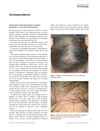
January 2017 in “Skin appendage disorders” The conclusion is that primary scarring alopecia is a complex condition that requires early and accurate diagnosis for effective treatment.
 13 citations
,
January 2018 in “International Journal of Dermatology”
13 citations
,
January 2018 in “International Journal of Dermatology” The study found that treatment improved hair condition in patients with Fibrosing Alopecia in a Pattern Distribution in Chile.
 3 citations
,
November 2020 in “Clinical, Cosmetic and Investigational Dermatology”
3 citations
,
November 2020 in “Clinical, Cosmetic and Investigational Dermatology” Early diagnosis and combination therapy, especially with finasteride and dutasteride, are key to managing Frontal Fibrosing Alopecia effectively.
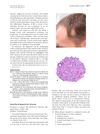
The man has Temporal Triangular Alopecia, a stable, non-scarring hair loss condition best treated with hair transplantation.
 5 citations
,
October 2013 in “Veterinary Clinics of North America: Equine Practice”
5 citations
,
October 2013 in “Veterinary Clinics of North America: Equine Practice” Some horses lose hair without inflammation or itching due to various conditions, and while mainly a cosmetic issue, diagnosis requires examination and biopsies, and breeding is not advised if it's hereditary.
 131 citations
,
August 2000 in “International Journal of Dermatology”
131 citations
,
August 2000 in “International Journal of Dermatology” Inflammation may be linked to hair loss, and targeting specific enzymes could help treat it.
 86 citations
,
July 2012 in “British journal of dermatology/British journal of dermatology, Supplement”
86 citations
,
July 2012 in “British journal of dermatology/British journal of dermatology, Supplement” There may be a connection between Frontal Fibrosing Alopecia and Lichen Planus Pigmentosus, and more research is needed to confirm this.
 80 citations
,
April 2018 in “Trends in Molecular Medicine”
80 citations
,
April 2018 in “Trends in Molecular Medicine” Lichen Planopilaris and Frontal Fibrosing Alopecia may help us understand hair follicle stem cell disorders and suggest new treatments.
 61 citations
,
January 2019 in “American Journal of Clinical Dermatology”
61 citations
,
January 2019 in “American Journal of Clinical Dermatology” The cause of Frontal Fibrosing Alopecia is unclear, diagnosis involves clinical evaluation and various treatments exist, but their effectiveness is uncertain.
 43 citations
,
November 2019 in “American Journal of Clinical Dermatology”
43 citations
,
November 2019 in “American Journal of Clinical Dermatology” FAGA diagnosis uses blood tests and trichoscopy, with treatments like topical minoxidil, oral anti-androgens, and hormone-modulating drugs.
 37 citations
,
April 2019 in “Journal of The American Academy of Dermatology”
37 citations
,
April 2019 in “Journal of The American Academy of Dermatology” Some treatments like intralesional steroids and 5α-reductase inhibitors are effective for frontal fibrosing alopecia, but more research is needed.
 29 citations
,
July 2008 in “Journal of Cutaneous Pathology”
29 citations
,
July 2008 in “Journal of Cutaneous Pathology” Hair root sheaths are more common in non-scarring hair loss and help diagnose the type of hair loss.
 23 citations
,
October 2018 in “Australasian Journal of Dermatology”
23 citations
,
October 2018 in “Australasian Journal of Dermatology” The current understanding of frontal fibrosing alopecia involves immune, genetic, hormonal factors, and possibly environmental triggers, but more research is needed for effective treatments.
 16 citations
,
May 2017 in “American Journal of Clinical Dermatology”
16 citations
,
May 2017 in “American Journal of Clinical Dermatology” The document concludes that more research is needed to understand and treat Beard Alopecia Areata due to limited current knowledge and evidence.
 12 citations
,
January 2015 in “Indian Journal of Dermatology, Venereology and Leprology”
12 citations
,
January 2015 in “Indian Journal of Dermatology, Venereology and Leprology” A mother and daughter with similar hair loss conditions and identical HLA types suggest a genetic link between the conditions.
 9 citations
,
August 2018 in “Journal der Deutschen Dermatologischen Gesellschaft”
9 citations
,
August 2018 in “Journal der Deutschen Dermatologischen Gesellschaft” Most patients with frontal fibrosing alopecia are middle-aged women, often have thyroid disease, and some treatments can help stabilize the condition.
 9 citations
,
January 2018 in “Journal of the European Academy of Dermatology and Venereology”
9 citations
,
January 2018 in “Journal of the European Academy of Dermatology and Venereology” A male patient developed frontal fibrosing alopecia after antiandrogen therapy for prostate cancer.
 8 citations
,
December 2020 in “Skin appendage disorders”
8 citations
,
December 2020 in “Skin appendage disorders” Low-dose oral minoxidil helped regrow eyebrows in women with Frontal Fibrosing Alopecia.
 8 citations
,
April 1979 in “Journal of Cutaneous Pathology”
8 citations
,
April 1979 in “Journal of Cutaneous Pathology” Giant cells found in some male pattern baldness cases may help diagnose it and suggest hair is mistakenly seen as foreign by the body.
 6 citations
,
October 2019 in “Case Reports in Dermatology”
6 citations
,
October 2019 in “Case Reports in Dermatology” The document concludes that treatment can improve hair growth and symptoms in Fibrosing Alopecia in a Pattern Distribution.
 3 citations
,
September 2017 in “Pediatric Dermatology”
3 citations
,
September 2017 in “Pediatric Dermatology” Avoiding allergens can improve skin and hair conditions in adults with allergic reactions.
 2 citations
,
April 2023 in “Cutis”
2 citations
,
April 2023 in “Cutis” More inclusive research is needed to effectively treat frontal fibrosing alopecia in Black patients.