 May 2026 in “Endocrine Connections”
 Androgenetic alopecia in PCOS is linked to insulin resistance, inflammation, and genetics, not just hormones.
 September 2025 in “BULLETIN OF STOMATOLOGY AND MAXILLOFACIAL SURGERY”
 Better supportive care is needed to manage chemotherapy side effects.
 January 2017 in “Journal of Investigative Dermatology Symposium Proceedings”
 The 2015 Hair Research Congress concluded that stem cells, maraviroc, and simvastatin could potentially treat Alopecia Areata, topical minoxidil, finasteride, and steroids could treat Frontal Fibrosing Alopecia, and PTGDR2 antagonists could also treat alopecia. They also found that low-level light therapy could help with hair loss, a robotic device could assist in hair extraction, and nutrition could aid hair growth. They suggested that Alopecia Areata is an inflammatory disorder, not a single disease, indicating a need for personalized treatments.
 10 citations
,
February 2006 in “Archives of dermatology”
10 citations
,
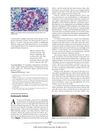
February 2006 in “Archives of dermatology” A man's chest hair turned white after a shingles infection, possibly due to virus-damaged pigment cells.
 January 2014 in “Springer eBooks”
 Inflammasome proteins can indicate the severity and treatment response of various diseases and injuries.
 19 citations
,
December 2001 in “Dermatologic Therapy”
19 citations
,
December 2001 in “Dermatologic Therapy” Horizontal scalp biopsy sections are better for diagnosing alopecia areata, showing fewer hair follicles and more miniaturized hairs.
 5 citations
,
March 2023 in “Archives of dermatological research”
5 citations
,
March 2023 in “Archives of dermatological research” Increased HIF-1α is linked to the inflammation and severity of hidradenitis suppurativa, suggesting treatments that lower HIF-1α could help.
 July 2025 in “Russian Journal of Skin and Venereal Diseases”
 Lichen planus on the scalp can cause scarring hair loss and has four main types.
November 2022 in “Journal of Investigative Dermatology” EGFR is crucial for preventing hair follicle inflammation and hair loss.
 November 2023 in “The journal of investigative dermatology/Journal of investigative dermatology”
 Cancer treatment drugs can cause permanent hair loss by damaging hair follicle stem cells, but a specific inhibitor might reverse this effect.
 January 2025 in “International Journal of Homoeopathic Sciences”
 Homeopathic treatment may help manage alopecia areata effectively.
November 2025 in “Scholarly Commons (Embry–Riddle Aeronautical University)” Urban air pollution worsens hair loss in alopecia areata by increasing immune response.
January 2020 in “JAAD case reports” Hair loss condition FFA was seen before the appearance of skin depigmentation vitiligo in a patient.
9 citations
,
August 2021 in “Experimental dermatology” Hidradenitis suppurativa is a skin disease caused by the breakdown of the skin's natural immune barriers, especially around hair follicles.
1 citations
,
January 2018 in “Skin appendage disorders” The complement system might be involved in the development of alopecia areata and could lead to new treatments.
35 citations
,
July 2008 in “Dermatologic therapy” Cicatricial alopecia may be caused by immune attacks on hair follicles, gland issues, or stem cell damage.
 4 citations
,
November 2021 in “Biomedicines”
4 citations
,
November 2021 in “Biomedicines” New digital tools are improving the diagnosis and understanding of irreversible hair loss conditions.
51 citations
,
December 2017 in “Skin Appendage Disorders” Stress may trigger hair loss by affecting immune protection in hair follicles.
45 citations
,
May 2024 in “International Journal of Molecular Sciences” Alopecia areata is caused by immune attacks on hair follicles, affecting hair growth and quality of life.
 July 2023 in “Journal of Cutaneous and Aesthetic Surgery”
 Combining platelet-rich plasma with other treatments may improve hair growth in people with hair loss, but more research is needed.
717 citations
,
June 2010 in “Nature” Alopecia areata involves both innate and adaptive immunity, with specific genes linked to the disease.
23 citations
,
July 2021 in “Life” Blue light can help treat skin conditions like eczema and acne without major side effects.
10 citations
,
February 2012 in “Journal of Clinical Investigation” Advancements in skin and hair biology improve dermatology care and cosmetic treatments.
 January 2025 in “Diagnostics”
 3D high-frequency ultrasound can help diagnose skin and hair conditions without invasive biopsies.
September 2022 in “Frontiers in Medicine” New treatments and drugs show promise for improving skin pigmentation and regeneration.
September 2016 in “한국임상약학회지” Ibuprofen, menthol, and cetirizine may help prevent or slow hair loss.
January 1996 in “대한피부과학회지” High Demodex mite density may be linked to sebaceous hyperplasia.
228 citations
,
June 2021 in “Frontiers in Immunology” Macrophage issues cause chronic wound inflammation, but therapies can help.
January 2026 in “Journal of Investigative Dermatology” Female-pattern hair loss may involve an autoimmune-like process, suggesting new treatment options.
2 citations
,
September 2025 in “International Journal of Nanomedicine” Extracellular vesicles can help treat skin issues like wounds, hair loss, aging, and inflammation.