 8 citations
,
October 2022 in “Cold Spring Harbor perspectives in biology”
8 citations
,
October 2022 in “Cold Spring Harbor perspectives in biology” The document concludes that better understanding the wound microbiome can improve chronic wound care by preserving helpful bacteria and targeting harmful ones.
 6 citations
,
July 2015 in “Journal of Investigative Dermatology”
6 citations
,
July 2015 in “Journal of Investigative Dermatology” Chicken feather gene mutation helps understand human hair disorders.
 5 citations
,
March 2019 in “Experimental dermatology”
5 citations
,
March 2019 in “Experimental dermatology” Activating TLR3 may help produce retinoic acid, important for tissue regeneration.
 2 citations
,
November 2020 in “Ciencia Tecnología y Salud”
2 citations
,
November 2020 in “Ciencia Tecnología y Salud” El plasma rico en plaquetas puede ayudar en la regeneración celular y podría ser útil en tratamientos complementarios para enfermedades sin cura específica.
 2 citations
,
May 2017 in “Springer eBooks”
2 citations
,
May 2017 in “Springer eBooks” Pregnancy can cause skin changes and affect existing skin conditions, with limited treatment options due to the need for fetal safety.
 1 citations
,
November 2024 in “Frontiers in Immunology”
1 citations
,
November 2024 in “Frontiers in Immunology” Tertiary lymphoid structures are important in immunotherapy and need more research.
 1 citations
,
May 2023 in “Journal of molecular evolution”
1 citations
,
May 2023 in “Journal of molecular evolution” Pangolins have lost some skin-related genes, but kept others, leading to their unique scales and skin features.
 1 citations
,
March 2023 in “International Journal of Health and Pharmaceutical Medicine”
1 citations
,
March 2023 in “International Journal of Health and Pharmaceutical Medicine” Impaired skin barrier function worsens acne.
 1 citations
,
May 2009 in “Wiley-Blackwell eBooks”
1 citations
,
May 2009 in “Wiley-Blackwell eBooks” Early treatment of PCOS in teens is crucial to prevent long-term health issues like diabetes and heart disease.
 April 2026 in “Signal Transduction and Targeted Therapy”
 Balancing testosterone may reduce COVID-19 severity.
 February 2026 in “Frontiers in Medical Technology”
 Keratinocyte stem cells are crucial for skin renewal and have potential in wound healing and tissue regeneration.
 January 2026 in “Frontiers in Immunology”
 Icariin can regulate macrophages and may help treat inflammation, cancer, bone disorders, and fibrotic diseases.
 December 2025 in “Frontiers in Immunology”
 Restoring nerve-macrophage communication may help treat autoimmune diseases.
 November 2025 in “Clinical Cosmetic and Investigational Dermatology”
 Tattoos may trigger autoimmune symptoms in some people.
 April 2025 in “Egyptian journal of Immunology”
 Calprotectin levels are higher in alopecia areata patients, indicating systemic inflammation.
 August 2024 in “Clinical and Medical Engineering Live”
 Alopecia treatment should use a modern, combined approach to effectively address hair loss.
 October 2023 in “bioRxiv (Cold Spring Harbor Laboratory)”
 Early regulatory T cells are crucial for normal skin pigmentation.
 April 2023 in “Research Square (Research Square)”
 Lower GPX4 mRNA levels are linked to higher disease activity and symptoms in lupus patients.
 January 2023 in “Discovery immunology”
 T cells and bacteria in the gut and skin help maintain health and protect against disease.
 September 2017 in “Pediatric Dermatology”
 The document concludes that an experimental drug may help wound healing in Epidermolysis Bullosa, links Hydroa vacciniforme to EBV, discusses diagnosing hair loss disorders, finds many children with eczema have allergies, reviews the safety of a skin medication in children, notes side effects of a Duchenne's treatment, and identifies a marker for pediatric mastocytosis.
 April 2016 in “Annals of laboratory medicine”
 The method reliably profiles eicosanoids and shows epitestosterone reduces their levels, similar to common anti-inflammatory drugs.
 June 2010 in “Expert Review of Dermatology”
 Scientists found key proteins and genes that affect skin and hair health, and identified potential new treatments for hair loss, skin disorders, and wound healing.
 August 2007 in “Journal of Investigative Dermatology”
 The meeting discussed vitamin D3's role in fighting tuberculosis, potential treatments for skin conditions like psoriasis, and hair follicle regeneration as a possible solution for hair loss.
 773 citations
,
August 2017 in “International Journal of Molecular Sciences”
773 citations
,
August 2017 in “International Journal of Molecular Sciences” The secretions of mesenchymal stem cells could be used for healing without using the cells themselves.
 411 citations
,
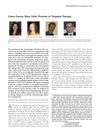
April 2010 in “Gastroenterology”
411 citations
,
April 2010 in “Gastroenterology” Targeting colon cancer stem cells might lead to better treatment results.
 375 citations
,
July 2006 in “Journal of Investigative Dermatology”
375 citations
,
July 2006 in “Journal of Investigative Dermatology” Stress can worsen skin and hair conditions by affecting the skin's immune response and hormone levels.
 359 citations
,
September 2017 in “European Journal of Epidemiology”
359 citations
,
September 2017 in “European Journal of Epidemiology” The Rotterdam Study updated findings on elderly health, focusing on heart disease, genetics, lifestyle effects, and disease understanding.
 291 citations
,
January 2014 in “The Scientific World Journal”
291 citations
,
January 2014 in “The Scientific World Journal” Lichen Planus is a less common condition affecting skin and mucous membranes, with various types and associated risk factors, challenging to diagnose, significantly impacts life quality, and may have a risk of cancerous changes in oral lesions.
 277 citations
,
July 2011 in “Journal of the Dermatology Nurses’ Association”
277 citations
,
July 2011 in “Journal of the Dermatology Nurses’ Association” The skin's layers protect, sense, and regulate the body's internal balance, but can be prone to cancer.
 276 citations
,
December 2017 in “Journal of Dermatological Science”
276 citations
,
December 2017 in “Journal of Dermatological Science” The document concludes that mouse models are helpful but have limitations for skin wound healing research, and suggests using larger animals and genetically modified mice for better human application.