3 citations
,
August 2025 in “International Journal of Molecular Sciences” Induced pluripotent stem cells are a major breakthrough in regenerative medicine.
2 citations
,
November 2025 in “Pharmaceutics” Cell-mediated drug delivery systems improve skin disease treatment by using living cells for precise, prolonged, and less toxic therapy.
129 citations
,
July 2019 in “Stem Cell Research & Therapy” Epidermal stem cells help heal severe skin wounds and have potential for medical treatments.
2 citations
,
July 2023 in “Toxics” High concentrations of rosemary and thyme extracts can damage thymus tissue and affect immune markers in chick embryos.
September 2025 in “Immunological Reviews” The skin can independently form immune responses through special structures, offering new ways to treat skin diseases.
 2 citations
,
May 2021 in “Bioengineering”
2 citations
,
May 2021 in “Bioengineering” Blood stem cells are diverse, influenced by many factors, and understanding them is key for progress in regenerative medicine.
26 citations
,
May 2020 in “JCI Insight” Alopecia areata involves specific immune cells, offering potential treatment targets.
 1 citations
,
September 2023 in “Stem cell research & therapy”
1 citations
,
September 2023 in “Stem cell research & therapy” Mesenchymal stem cells could help treat aging-related diseases better than current methods.
 January 2024 in “bioRxiv (Cold Spring Harbor Laboratory)”
 A specific enzyme is essential for proper hair follicle stem cell development and healthy skin.
 January 2026 in “Frontiers in Molecular Biosciences”
 A new method helps diagnose alopecia areata using specific gene markers and could guide targeted treatments.

CD4 T cells need IFN-γ to cause hair loss in alopecia areata.
42 citations
,
April 2021 in “JCI insight” Blocking JAK3 signaling can reverse hair loss from alopecia areata.
January 2026 in “Experimental Dermatology” Keratinocytes contribute to hidradenitis suppurativa by causing inflammation and worsening the condition.
7 citations
,
May 2022 in “Frontiers in Cell and Developmental Biology” Epigenetic and metabolic changes affect stem cell function and aging in skin.
 298 citations
,
January 2014 in “BioMed Research International”
298 citations
,
January 2014 in “BioMed Research International” Stem cell-derived conditioned medium shows promise for treating various medical conditions but requires standardized production and further validation.
 43 citations
,
February 2019 in “International immunology”
43 citations
,
February 2019 in “International immunology” Special immune cells called Regulatory T cells help control skin inflammation and repair in various skin diseases.
 3 citations
,
October 2023 in “Military Medical Research/Military medical research”
3 citations
,
October 2023 in “Military Medical Research/Military medical research” Regulatory T cells help heal skin and grow hair, and their absence can lead to healing issues and hair loss.
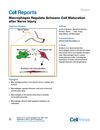 130 citations
,
September 2018 in “Cell Reports”
130 citations
,
September 2018 in “Cell Reports” Macrophages help heal nerves by aiding the maturation of Schwann cells and are important for nerve repair.
 1 citations
,
October 2022 in “Annual review of cell and developmental biology”
1 citations
,
October 2022 in “Annual review of cell and developmental biology” The nervous system helps control stem cell behavior and immune responses, affecting tissue repair and maintenance.
 124 citations
,
February 2018 in “Nature Reviews Genetics”
124 citations
,
February 2018 in “Nature Reviews Genetics” Stem cell plasticity is crucial for wound healing but can also contribute to cancer development.
 480 citations
,
August 2014 in “Nature Biotechnology”
480 citations
,
August 2014 in “Nature Biotechnology” Changing the environment around stem cells could help tissue repair, but it's hard to be precise and avoid side effects.
4 citations
,
January 2025 in “The Journal of Cell Biology” Ceramide Synthase 4 is crucial for maintaining hair follicle stem cells and preventing hair loss.
 February 2026 in “Stem Cell Research & Therapy”
 Stem cell therapies show promise for hair regrowth in alopecia areata but need more research for safety and effectiveness.
97 citations
,
May 2019 in “Frontiers in Cell and Developmental Biology” Abnormal ECM and immune cell interactions can cause skin diseases.
 12 citations
,
August 2022 in “Biochemical Journal”
12 citations
,
August 2022 in “Biochemical Journal” Different types of cell death affect skin health and inflammation, and understanding them could improve treatments for skin diseases.
5 citations
,
January 2025 in “Burns & Trauma” Machine learning and single-cell analysis improve understanding and treatment of wound healing.
 January 2026 in “Immune Network”
 Regulatory T cells adapt to different environments to control inflammation and support tissue repair.
 375 citations
,
July 2006 in “Journal of Investigative Dermatology”
375 citations
,
July 2006 in “Journal of Investigative Dermatology” Stress can worsen skin and hair conditions by affecting the skin's immune response and hormone levels.
 1 citations
,
May 2026 in “Signal Transduction and Targeted Therapy”
1 citations
,
May 2026 in “Signal Transduction and Targeted Therapy” Stem cell therapy shows promise but needs better safety and quality standards.
105 citations
,
December 2017 in “Journal of Biological Engineering” Artificial skin grafts face immune rejection, but stem cells may improve future designs.