 January 2021 in “Anais do Congresso Brasileiro de Reumatologia 2020”
 Tofacitinib improved arthritis and partially improved hair loss in a lupus patient without side effects.
 6 citations
,
August 2013 in “Joint Bone Spine”
6 citations
,
August 2013 in “Joint Bone Spine” Tocilizumab treatment was associated with significant hair regrowth in one patient and temporary hair loss followed by regrowth in another.
Tofacitinib helped a woman with total-body hair loss grow her hair back.
2 citations
,
May 2011 in “Journal of Clinical Oncology” Further testing of paclitaxel poliglumex for this cancer treatment is not justified.
2 citations
,
September 2024 in “Internal Medicine Journal” Upadacitinib helped regrow hair and maintain ulcerative colitis remission.
24 citations
,
July 2021 in “Pharmaceutics” Ruxolitinib cream effectively targets and treats inflammatory skin diseases.
 79 citations
,
September 2018 in “Dermatologic therapy”
79 citations
,
September 2018 in “Dermatologic therapy” Oral tofacitinib can significantly improve recalcitrant lichen planopilaris.
 December 2025 in “Педиатрическая фармакология”
 Tofacitinib is more effective than traditional treatments for severe alopecia areata in children.
14 citations
,
August 2017 in “International Journal of Immunopathology and Pharmacology” Photodynamic therapy improved skin issues from sorafenib when other treatments failed.
February 2025 in “Journal of the European Academy of Dermatology and Venereology” Mogamulizumab can cause hair loss, often linked to a better treatment response.
 April 2026 in “Frontiers in Medicine”
 Upadacitinib effectively treats psoriasis and lichen planus together.
November 2025 in “The Journal of Dermatology” Nemolizumab improved both severe atopic dermatitis and alopecia areata in one patient.
6 citations
,
August 2024 in “Advanced Science” A new method efficiently creates biaryl N-oxides with potential for cancer treatment and drug development.
 July 2026 in “Journal of Ovarian Research”
 The study identified diverse cell types and gene expressions in ovarian steroid cell tumors, improving understanding of this rare tumor.
September 1999 in “Molecular Carcinogenesis” Increased ODC expression makes normally tumor-resistant mice more prone to tumor development.
Using regulatory T cells and Rapamycin together improves chronic graft-versus-host disease treatment outcomes in mice.
 82 citations
,
December 2015 in “Nanomedicine”
82 citations
,
December 2015 in “Nanomedicine” Nanoparticle systems make cancer treatment less toxic.
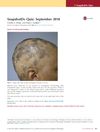 August 2018 in “Journal of Investigative Dermatology”
 Tofacitinib may help regrow hair in alopecia areata patients.
6 citations
,
August 2020 in “Oncology nursing forum” Minocycline reduces acne rash, pyridoxine lowers hand-foot syndrome risk, and scalp cooling lessens hair loss from cancer treatments.
5 citations
,
January 2021 in “Indian Journal of Critical Care Medicine” Testing for the NUDT 15 variant is crucial before starting azathioprine, especially in Asians.
388 citations
,
September 2000 in “Cancer” Doxil's toxicity varies with dose and schedule, and pharmacokinetic guidance can optimize dosing.
 November 2016 in “Therapeutic Delivery”
 New drugs for Alzheimer's and rheumatoid arthritis advanced, a Zika vaccine is in development, and there were business deals in anesthesia and oncology.
 44 citations
,
March 2016 in “Frontiers in cellular neuroscience”
44 citations
,
March 2016 in “Frontiers in cellular neuroscience” Some natural compounds can protect fish ear cells from damage by certain antibiotics without affecting the antibiotics' ability to fight infections.
3 citations
,
February 2023 in “BMJ Case Reports” OnabotulinumtoxinA treatment improved hair-pulling disorder and hair regrowth in a woman with chronic migraines.
 11 citations
,
November 2020 in “bioRxiv (Cold Spring Harbor Laboratory)”
11 citations
,
November 2020 in “bioRxiv (Cold Spring Harbor Laboratory)” Early treatment with azithromycin and other drugs reduced COVID-19 symptoms and complications.
52 citations
,
July 1998 in “Urology” Liarozole may be more effective than cyproterone acetate for treating advanced prostate cancer, with better PSA response and survival rates, while maintaining quality of life.
May 2025 in “CPT Pharmacometrics & Systems Pharmacology” A 50 mg non-loading dose of ritlecitinib is safe for adults and adolescents.
 April 2015 in “Andrology”
 HNG may help prevent the negative effects of chemotherapy on sperm production and white blood cell counts.
 1 citations
,
October 2023 in “Clinical, cosmetic and investigational dermatology”
1 citations
,
October 2023 in “Clinical, cosmetic and investigational dermatology” Tofacitinib improved hair loss and skin symptoms in a patient after secukinumab caused hair loss.
Combining excimer lamp and tofacitinib gel may help treat hair loss in children.