 5 citations
,
October 2022 in “Cosmetics”
5 citations
,
October 2022 in “Cosmetics” Cell-based models help test if cosmetic ingredients really work for hair growth and skin health.
4 citations
,
September 2025 in “International Journal of Molecular Sciences” EGCG in green tea benefits skin, hair, cancer treatment, weight loss, diabetes, heart, and brain health.
 2 citations
,
January 2023 in “Pharmaceuticals”
2 citations
,
January 2023 in “Pharmaceuticals” Natural products and phytochemicals may help with hair regrowth, but more research is needed.
 June 2026 in “Current Issues in Molecular Biology”
 Minoxidil is more effective than the botanical extract for hair loss, but the extract shows potential as an alternative.
 June 2025 in “Pharmacon Jurnal Farmasi Indonesia”
 Mangkokan leaves may help hair growth and health.

Advancements in diagnostics, treatments, and technology have improved hair loss detection and restoration, with some types being reversible.

Hair RiseTM microemulsion effectively promotes hair growth and treats hair loss better than standard treatments.
 September 2024 in “International Journal of Molecular Sciences”
 Hydrangea serrata extract may promote hair growth and improve hair health.
 May 2024 in “Journal of cosmetic dermatology”
 Heat-treated Limosilactobacillus fermentum with menthol, salicylic acid, and panthenol promotes hair growth and balances scalp microbiome in people with androgenetic alopecia.

New treatments for hair loss should target eight main causes and use specific plant compounds and peptides for better results.
 April 2023 in “Dermatologica Sinica”
 Sex hormones affect hair growth and loss, and treatments for related hair diseases include various medications, hair transplantation, and light therapy.
Minoxidil and finasteride are the only FDA-approved treatments for hair loss caused by genetic and hormonal factors, but their effectiveness is often doubted, indicating a need for new treatments.
 August 2022 in “IntechOpen eBooks”
 The best treatment for Frontal Fibrosing Alopecia and Lichen Planopilaris combines oral and topical medications to reduce symptoms and stop hair loss.

Androgenetic alopecia, or hair loss, is caused by a mix of genetics, hormones, and environment, where testosterone affects hair growth and causes hair to become smaller and grow for a shorter time.
January 2023 in “Applied sciences” Equisetum debile extracts may help with skin whitening, anti-wrinkle, and anti-hair loss treatments.
January 2023 in “Dermatologic Therapy” Intralesional corticosteroids and 5-alpha-reductase inhibitors are the best treatments for frontal fibrosing alopecia.
January 2018 in “Our Dermatology Online” Dutasteride injections can help hair growth in androgenic alopecia but need more research for long-term use.
16 citations
,
January 2019 in “Pharmaceutical biology” Lespedeza cuneata extract may help treat enlarged prostate.
 9 citations
,
March 2015 in “Journal of Microbiology and Biotechnology”
9 citations
,
March 2015 in “Journal of Microbiology and Biotechnology” Ultra-high molecular weight poly-γ-glutamic acid may help promote hair growth.
8 citations
,
March 2015 in “Molecular Medicine Reports” Hair dye ingredient PPD causes cell death and aging in human hair cells by altering microRNA levels.
January 2025 in “Faculty of 1000 Research Ltd” Plant-based treatments may help reduce BPH symptoms, but more research is needed.
December 2023 in “Plants” Fissistigma oldhamii has compounds that help with pain, inflammation, and other health issues.
 20 citations
,
May 2023 in “Biological Trace Element Research”
20 citations
,
May 2023 in “Biological Trace Element Research” Daily intake of 0.5 or 5 mg cobalt ferrite nanoparticles can harm lungs through oxidative and inflammatory stress.
 August 2025 in “Scientific Electronic library online (Sciences Carlos III Health Institute)”
 Tofacitinib can help regrow hair in about 50% of people with moderate-severe alopecia areata.
 38 citations
,
September 2017 in “Oncologist”
38 citations
,
September 2017 in “Oncologist” Scalp cooling can help prevent chemotherapy-induced hair loss with a 50-90% success rate and is safe for patients.
 15 citations
,
May 1997 in “Annals of Internal Medicine”
15 citations
,
May 1997 in “Annals of Internal Medicine” Tamoxifen caused hair loss in a 52-year-old woman.
 12 citations
,
January 2022 in “Journal of Menopausal Medicine”
12 citations
,
January 2022 in “Journal of Menopausal Medicine” Careful medical care is needed for those over 50 on hormone therapy during COVID-19.
 March 2026 in “Korean Journal of Clinical Pharmacy”
 In 2024, the FDA approved 50 new drugs, including treatments for hair loss, anemia, high blood pressure, and Alzheimer's.
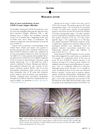 32 citations
,
July 2021 in “Journal of The American Academy of Dermatology”
32 citations
,
July 2021 in “Journal of The American Academy of Dermatology” Hair loss from COVID-19 usually starts around 45 days after infection and lasts about 47.5 days.
 2 citations
,
April 2017 in “Journal of Investigative Dermatology”
2 citations
,
April 2017 in “Journal of Investigative Dermatology” Tofacitinib helped over half of the patients with severe hair loss regrow at least 50% of their hair.