 1 citations
,
March 2024 in “Ophthalmic Plastic and Reconstructive Surgery”
1 citations
,
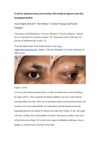
March 2024 in “Ophthalmic Plastic and Reconstructive Surgery” A pilomatrixoma in the eyebrow can cause hair loss and skin lightening.
 44 citations
,
March 2015 in “PLOS ONE”
44 citations
,
March 2015 in “PLOS ONE” Fibroblast Growth Factor-9 (FGF-9) can help improve heart function in diabetic mice after a heart attack by reducing inflammation and harmful changes to the heart's structure.
22 citations
,
January 2006 in “Journal of Structural Biology” Hair follicles form hard α-keratin filaments in four steps, showing structural differences.
4 citations
,
October 2024 in “Tissue Engineering and Regenerative Medicine” March 2026 in “Wound Repair and Regeneration” MARCKSL1 is important for wound healing and could be a target to reduce scarring.
6 citations
,
January 2016 in “Open journal of regenerative medicine” Keratin treatment reduces astrocyte reactivity and inflammation.
42 citations
,
February 2000 in “Journal of Investigative Dermatology” Type VII collagen absence helps skin development by allowing tissue remodeling.
50 citations
,
June 1993 in “European journal of biochemistry” Intermediate filaments are crucial for cell structure and function, regulated by specific genes and proteins.
324 citations
,
May 2002 in “Oncogene” 5 citations
,
August 2021 in “Experimental dermatology” Overexpressing Merkel cell virus proteins in human hair follicles can create clusters of cells that resemble Merkel cell cancer.
April 2024 in “Authorea (Authorea)” Understanding the nanoscale structure of skin fibrosis can improve knowledge of wound healing and tissue regeneration.
 1 citations
,
February 2018 in “Australasian journal of dermatology”
1 citations
,
February 2018 in “Australasian journal of dermatology” Advanced imaging techniques are crucial for accurately diagnosing Monilethrix, a rare hair disorder.
20 citations
,
September 2010 in “The journal of investigative dermatology/Journal of investigative dermatology” MMP-9 is essential for proper hair canal formation.
28 citations
,
November 2009 in “Journal of Structural Biology” High flux X-ray beams quickly damage the structure of human hair.
24 citations
,
December 1957 in “Experimental Cell Research” The glassy layer of hair follicles has different fibril sizes and arrangements in guinea pigs and young mice.
 24 citations
,
November 2015 in “Scientific reports”
24 citations
,
November 2015 in “Scientific reports” Human hair has a new region with ordered filaments and the cuticle contains β-keratin sheets.
13 citations
,
March 2014 in “Journal of Clinical Laboratory Analysis” Higher MIF levels in alopecia areata patients suggest it could be a treatment target and disease predictor.
The PI's development is closely linked to skin and hair pigmentation in macaques.
 24 citations
,
November 2023 in “Nature”
24 citations
,
November 2023 in “Nature” The extracellular matrix affects where tumors can start in the body.
 11 citations
,
September 2016 in “Journal of virological methods”
11 citations
,
September 2016 in “Journal of virological methods” Rabies virus was found in specific skin cells of rabid dogs' muzzles, suggesting these cells could help diagnose rabies.
 January 2026 in “Frontiers in Immunology”
 Icariin can regulate macrophages and may help treat inflammation, cancer, bone disorders, and fibrotic diseases.
6 citations
,
September 2018 in “ACS applied bio materials” Calcium fatty acid deposits found in human hair can change its appearance and feel.
3 citations
,
January 2016 NuMA-microtubule interactions are crucial for proper skin structure and hair growth.
 November 2022 in “bioRxiv (Cold Spring Harbor Laboratory)”
 MOF controls skin development by regulating genes for mitochondria and cilia.
9 citations
,
November 2020 in “The FASEB journal” Intermediate filaments are crucial for cell differentiation and stem cell function.
51 citations
,
September 2012 in “Biomacromolecules” Disulfide bonds make keratin in hair stronger and tougher.
 January 2025 in “Scripta Medica”
 PDO, PLLA, and PCL threads increase collagen in ageing skin but don't change MMP1 gene expression.
51 citations
,
May 1984 in “Journal of the American Academy of Dermatology” Benign follicular mucinosis involves immune cells attacking hair follicles.
January 2022 in “Institutional Repositories DataBase (IRDB)” Pen-type microwells are best for forming hair follicle germ structures.