 1 citations
,
June 2021 in “Journal of dermatology and dermatitis”
1 citations
,
June 2021 in “Journal of dermatology and dermatitis” Tyrosine kinase inhibitors show promise in treating some skin diseases but their definitive role in dermatology is still unclear.
 August 2023 in “European journal of dermatology/EJD. European journal of dermatology”
 Combining topical delgocitinib with a 308-nm excimer laser can effectively treat severe alopecia areata and vitiligo.
 16 citations
,
July 2000 in “Dermatologic surgery”
16 citations
,
July 2000 in “Dermatologic surgery” The multi-injection plate is a less painful and more efficient method for treating patchy hair loss.
 April 2017 in “Journal of Investigative Dermatology”
 The document concludes that various topical treatments show promise for skin conditions like atopic dermatitis, psoriasis, and hair loss.
January 2026 in “Medicina” JAK inhibitors show promise for treating various skin disorders effectively and safely.
 5 citations
,
April 2015 in “HSOA journal of clinical dermatology & therapy”
5 citations
,
April 2015 in “HSOA journal of clinical dermatology & therapy” Triamcinolone acetonide mesotherapy may be effective for treating patchy hair loss in alopecia areata.
December 2007 in “Pediatrics in review” Some CAM therapies help with pediatric atopic dermatitis, but more research is needed.
53 citations
,
July 2009 in “Cancer Research” Blocking certain proteins can reduce skin inflammation caused by cancer treatment.
1 citations
,
January 2018 in “International Journal of Clinical and Developmental Anatomy” Dermoscopy improves accuracy in predicting treatment success for androgenetic alopecia with the Regenera® protocol.
January 2026 in “Pharmaceutics” New drug delivery systems show promise in effectively treating pathological scars.
5 citations
,
January 2023 in “Journal of Cosmetic Dermatology” Intradermal microbotox injections work better and last longer for reducing large facial pores than topical application.
October 2013 in “CRC Press eBooks” Low-level light therapy is used in cosmetics and dermatology to repair skin, reduce inflammation, and treat various skin conditions.
 4 citations
,
August 2023 in “Varna Medical Forum”
4 citations
,
August 2023 in “Varna Medical Forum” TECAR therapy helps with pain relief, reduces inflammation, relaxes muscles, heals tissues, and is safe and effective for many conditions.
13 citations
,
November 1996 in “International Journal of Dermatology” Liposomes can improve the effectiveness of skin treatments.
January 1998 in “Dermatology” January 1991 in “Dermatology” January 1986 in “Dermatology” 7 citations
,
May 2010 in “Drug Delivery” Retinoic acid and DMSO improve gene delivery to mouse skin for potential hair and skin disease treatment.
3 citations
,
January 2023 in “Journal of Cutaneous and Aesthetic Surgery” Intradermal PRP significantly improved melasma in dark skin, with lasting results and no relapse after 3 months.
September 1998 in “Journal of the European Academy of Dermatology and Venereology” January 2016 in “Más dermatología” Platelet-rich plasma therapy helps heal skin ulcers and stimulates hair growth in dermatology.
July 2024 in “Journal of Investigative Dermatology” ATR04-484 ointment shows promise for treating skin issues from cancer therapies.
7 citations
,
October 2021 in “Current Dermatology Reports”  February 2026 in “Trials”
 The Exfoliate-Dissolve-Repair skincare approach may effectively treat keratosis pilaris and reduce the need for corticosteroids.
 August 2007 in “Journal of Investigative Dermatology”
 The meeting discussed vitamin D3's role in fighting tuberculosis, potential treatments for skin conditions like psoriasis, and hair follicle regeneration as a possible solution for hair loss.
18 citations
,
January 2021 in “Theranostics” The targeted nanohybrids effectively reduced psoriasis symptoms and improved skin health.
 January 2007 in “Yearbook of Dermatology and Dermatologic Surgery”
 Intramuscular triamcinolone and pulse therapy with oral predonine are effective for alopecia areata with manageable side effects, but better relapse prevention is needed.
 1 citations
,
July 2015 in “British Journal of Dermatology”
1 citations
,
July 2015 in “British Journal of Dermatology” Imiquimod improved skin pigmentation in most patients with xeroderma pigmentosum and may prevent further skin cancer, but some treatments can have side effects.
 August 2024 in “New Zealand Medical Student Journal”
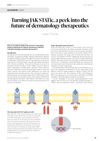
 JAK inhibitors show promise for treating skin diseases effectively and safely.
 4 citations
,
October 2024 in “Aesthetic Plastic Surgery”
4 citations
,
October 2024 in “Aesthetic Plastic Surgery” The combined treatment improves skin texture and reduces wrinkles effectively.