1 citations
,
January 2021 in “Dermatologic Therapy” Candida antigen is an effective and promising treatment for alopecia areata.
 April 2023 in “The Egyptian Journal of Hospital Medicine”
 Injecting platelet-rich plasma is a safe and effective way to improve different types of post-burn scars.
 23 citations
,
April 2018 in “Journal der Deutschen Dermatologischen Gesellschaft”
23 citations
,
April 2018 in “Journal der Deutschen Dermatologischen Gesellschaft” Permanent hair loss from cicatricial alopecia is treated by reducing inflammation and managing symptoms, but regrowth in scarred areas is unlikely.
14 citations
,
September 2015 in “PubMed” Alopecia areata can be managed with various treatments, and severe cases should be referred to dermatologists.
 8 citations
,
May 2025 in “Dermatology and Therapy”
8 citations
,
May 2025 in “Dermatology and Therapy” Local corticosteroids can help with alopecia areata, but hair loss often returns after stopping treatment.
4 citations
,
January 2025 in “Dermatologica Sinica” Experts recommend personalized treatment plans for alopecia areata, using corticosteroids and minoxidil for mild cases, and stronger medications for severe cases.
 August 2023 in “JAAD Case Reports”
 A woman with lupus experienced hair regrowth after treatment, but hair transplantation is not advised for her condition.

A patient with patchy hair loss was successfully treated for Tumid Lupus Erythematosus after other treatments failed.
 July 2022 in “Singapore Medical Journal”
 Most children with alopecia areata improved with treatment, but those with more hair loss had worse outcomes.
 March 2018 in “Dermatología Argentina”
 The study found that the average age of women diagnosed with Frontal Fibrosing Alopecia in Argentina is higher than in other countries, but their symptoms are similar.
7 citations
,
August 1985 in “British journal of dermatology/British journal of dermatology, Supplement” Medroxyprogesterone acetate injections are more effective than topical ointment in treating excessive hair growth in women.
January 2026 in “Zenodo (CERN European Organization for Nuclear Research)” Statins do not help improve alopecia areata.
71 citations
,
December 2013 in “The journal of investigative dermatology. Symposium proceedings/The Journal of investigative dermatology symposium proceedings” There are no FDA-approved treatments for Alopecia Areata, and current options have varying success and relapse rates.
 46 citations
,
November 1995 in “The Journal of Dermatology”
46 citations
,
November 1995 in “The Journal of Dermatology” Alopecia areata was most common in people in their 30s and 40s, with some family history and a higher relapse rate, and larger bald areas responded better to specific immunotherapy.
January 2016 in “Çağdaş tıp dergisi” Topical 1% pimecrolimus effectively treated alopecia areata.
The document concludes that various skin conditions have specific treatments and that adequate calcium intake may prevent osteoporosis.
 July 2023 in “Deleted Journal”
 Alopecia areata is the most common type of baldness treated with corticosteroids and minoxidil.
June 2022 in “Journal of Pakistan Association of Dermatologists” Combination therapy effectively regrows hair in severe alopecia areata.
21 citations
,
August 2002 in “British Journal of Ophthalmology” Drug misuse can cause serious eye infections and other severe side effects.
2 citations
,
June 2024 in “Cureus” Pre-sternal keloids are more common in males and can be effectively treated with injections, though recurrences may need more treatment.
 7 citations
,
June 2019 in “Fayoum University Medical Journal/Fayoum University Medical Journal ”
7 citations
,
June 2019 in “Fayoum University Medical Journal/Fayoum University Medical Journal ” PRP combined with vitamin D improves vitiligo more effectively than vitamin D alone.
 September 1987 in “International Journal of Dermatology”
 Cimetidine is not a first-choice treatment for female hair loss, and there's no consistently successful treatment for this condition in men or normal hormone level women.
 September 1987 in “International Journal of Dermatology”
 Dr. Baral observed that applying minoxidil can cause hair to grow in areas other than where it was applied.
 2 citations
,
September 1987 in “International Journal of Dermatology”
2 citations
,
September 1987 in “International Journal of Dermatology” Minoxidil caused hair to grow in unintended areas, like a tail, in a young girl.
3 citations
,
January 2017 in “Journal of clinical and diagnostic research” Injecting steroids like Triamcinolone Acetonide for skin treatments can cause Cushing's Syndrome.
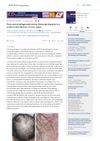 March 2023 in “Journal of Cosmetic Dermatology”
 A woman's progressive hair loss was correctly diagnosed as a rare condition called fibrosing alopecia in a pattern distribution after initially being mistaken for a more common type.
 25 citations
,
July 1994 in “Archives of Dermatology”
25 citations
,
July 1994 in “Archives of Dermatology” A man's skin condition, pemphigus vulgaris, came back after he was treated with interleukin 2 for cancer.
 February 1990 in “Journal of The American Academy of Dermatology”
 New skin treatments in 1987-1988 showed effectiveness for various conditions, but some had side effects or risks.
 September 2025 in “The health sciences AUS.”
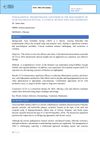
 Intralesional triamcinolone acetonide effectively treats acne keloidalis nuchae with minimal side effects.
 25 citations
,
February 2014 in “British journal of dermatology/British journal of dermatology, Supplement”
25 citations
,
February 2014 in “British journal of dermatology/British journal of dermatology, Supplement” Intralesional triamcinolone acetonide can regrow hair in alopecia areata but often has temporary effects and side effects.