 17 citations
,
December 2001 in “Dermatologic therapy”
17 citations
,
December 2001 in “Dermatologic therapy” Different treatments for alopecia areata have unpredictable results and varying success rates.
 16 citations
,
January 2015 in “Current problems in dermatology”
16 citations
,
January 2015 in “Current problems in dermatology” Alopecia Areata is an autoimmune hair loss condition that needs more research for better treatments.
 9 citations
,
September 2015 in “Medical Clinics of North America”
9 citations
,
September 2015 in “Medical Clinics of North America” The document explains how to do skin procedures, care after surgery, and when to use certain treatments.
 9 citations
,
August 2002 in “Current Opinion in Pediatrics”
9 citations
,
August 2002 in “Current Opinion in Pediatrics” An 18-year-old girl with pemphigus vulgaris needed strong medication and careful treatment due to ineffective initial therapies and side effects.
 9 citations
,
December 1978 in “Australian Journal of Biological Sciences”
9 citations
,
December 1978 in “Australian Journal of Biological Sciences” Flumethasone causes wool shedding in Merino wethers, with recovery in about 60 days.
 7 citations
,
May 1978 in “International Journal of Dermatology”
7 citations
,
May 1978 in “International Journal of Dermatology” Recent hair loss research shows some progress, especially in understanding male pattern baldness, but effective treatments for many types of hair loss are still lacking.
 3 citations
,
September 2024 in “Dermatology and Therapy”
3 citations
,
September 2024 in “Dermatology and Therapy” Previous alopecia areata treatments do not affect the long-term effectiveness of ritlecitinib.
 2 citations
,
August 2022 in “Federal Practitioner”
2 citations
,
August 2022 in “Federal Practitioner” A severe medication reaction required long treatment and led to hair loss and thyroid issues.
 2 citations
,
January 2018 in “International journal of research in dermatology”
2 citations
,
January 2018 in “International journal of research in dermatology” Intralesional corticosteroids are the best for limited alopecia areata, oral steroids are less effective, and PRP is safe and promising, especially for children and severe cases.
 2 citations
,
January 2004 in “Elsevier eBooks”
2 citations
,
January 2004 in “Elsevier eBooks” Lupus affects the skin in various ways, and proper skin examination is crucial for diagnosis and treatment.
1 citations
,
February 2024 in “JEADV Clinical Practice” Pulse corticosteroid therapy helps many with severe alopecia areata regrow hair, but has side effects.
 1 citations
,
February 2021 in “Gastroenterology”
1 citations
,
February 2021 in “Gastroenterology” A woman with inflammatory bowel disease improved after treatment with ustekinumab for a rare skin condition associated with her disease.
 1 citations
,
May 2017 in “InTech eBooks”
1 citations
,
May 2017 in “InTech eBooks” The document concludes that alopecia areata is an unpredictable autoimmune hair loss condition with no cure, but various treatments exist that require personalized approaches.
 1 citations
,
June 2015 in “Australasian Journal of Dermatology”
1 citations
,
June 2015 in “Australasian Journal of Dermatology” A patient with Cronkhite-Canada syndrome improved with nutritional support and steroids, but early diagnosis is key due to high mortality.
 1 citations
,
January 2015 in “Side effects of drugs annual”
1 citations
,
January 2015 in “Side effects of drugs annual” The document concludes that various dermatological treatments and drugs can cause skin reactions and side effects.
 1 citations
,
January 2015 in “Springer eBooks”
1 citations
,
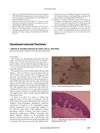
January 2015 in “Springer eBooks” The document says a skin condition called alopecia areata causes hair loss and stress, and is treated with strong skin creams, injections, or other therapies, but treatment success varies.
 1 citations
,
January 2009 in “Actas Dermo-Sifiliográficas”
1 citations
,
January 2009 in “Actas Dermo-Sifiliográficas” Docetaxel, a chemotherapy drug, was reported to cause psoriasis in a patient for the first time.
 January 2026 in “Acta Dermatovenerologica Alpina Pannonica et Adriatica”
 Accurate diagnosis is crucial for effectively treating severe alopecia and related symptoms.
 September 2025 in “OBM Genetics”
 Early diagnosis and comprehensive management improve life quality for Netherton syndrome patients.

Early recognition and a multidisciplinary approach are crucial for effectively managing complex autoimmune conditions like SLE with CAPS and AHA.
 February 2025 in “Quality in Sport”
 Pregnancy-related skin disorders need accurate diagnosis and treatment to prevent risks to the baby.
 January 2025 in “Frontiers in Immunology”
 IVIG therapy significantly improved symptoms in a patient with APS-2 and SPS.
 October 2024 in “Journal of Education Health and Sport”
 Alopecia areata treatment should be personalized, using topical or systemic therapies based on severity, with promising options like JAK inhibitors needing more research.
 December 2023 in “Dermatology and therapy”
 Japanese patients and physicians often disagree on the severity of Alopecia Areata and treatment satisfaction, needing better communication and treatments.

COVID-19 can cause skin problems and affect dermatology treatments, with recommendations for skin care and cautious use of certain drugs.
 July 2022 in “BMJ Case Reports”
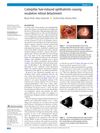
 Early treatment is crucial to prevent severe eye complications from caterpillar hair.
 March 2021 in “Clin-Alert”
 The FDA warned about safety issues with remdesivir and tofacitinib, finasteride is linked to suicidality, potent topical corticosteroids increase osteoporosis risk, henna can cause hemolysis in G6PD deficiency, chemotherapeutic agents can cause adverse reactions, drug interactions are common in cancer patients, ketamine can reduce at-risk drinking, high dose of anticholinergics increases dementia risk in Parkinson's patients, and prenatal exposure to second-generation antipsychotics increases pregnancy complications.
 July 2013 in “Our Dermatology Online”
 Oral methylprednisolone pulse therapy helped an 11-year-old regrow 80% of his hair in six months.
 January 2012 in “Springer eBooks”
 Lupus can cause different skin problems, and treatments like quitting smoking and using certain creams or medicines can help.
 August 2001 in “Veterinary Dermatology”
 The meeting presented findings on effective treatments for various pet skin conditions and insights into the immune responses of dogs with atopic dermatitis.