
Ladakh hotsprings contain compounds with potential medicinal benefits for various health conditions.
 June 2025 in “Asia-Pacific Journal of Molecular Biology and Biotechnology”
 Papain from papaya may help treat cardiovascular diseases by breaking down fibrin.
Wasabi leaf extract affects gene expression in skin cells.
 March 2025 in “Journal of Endocrinology and Metabolism”
 Rodent models of PCOS show some hormone changes similar to humans, but also have key differences.
 January 2025 in “Clinical and Medical Engineering Live”
 Implementing safety strategies is crucial to prevent radiation-related health issues.

Tridax procumbens may boost the immune system.

Polarized microscopy helps identify hair irregularities in genetic disorders.
 January 2025 in “Nanotechnology Reviews”
 Pumpkin seed extract can create copper oxide nanoparticles with potential antibacterial and cancer-fighting properties.
 November 2024 in “International Journal of Plant and Environment”
 Sphenodesme involucrata var. paniculata is a safe and healthy medicinal plant with beneficial nutrients.
 June 2024 in “Okayama University Scientific Achievement Repository (Okayama University)”
 Koji mold on unpolished Thai-colored rice boosts antioxidant activity more than on other rice types.
 April 2024 in “Frontiers in pharmacology”
 Cynoglossum amabile has medicinal potential but poses safety concerns due to liver toxicity.
 February 2024 in “Pharmaceutical research”
 Hair follicles affect how well small molecules can pass through the skin, and this varies depending on the molecule's features.
 February 2024 in “Trends in Sciences”
 Store Tectona grandis leaf extracts in slightly acidic, light-protected conditions for best stability.
 January 2024 in “Biological & clinical sciences research journal”
 Apigenin, found in plants and vegetables, has many health benefits, including anti-inflammatory, antioxidant, and anticancer effects.
 January 2024 in “Scientific reports”
 Egyptian Mint effectively kills mosquito larvae and inhibits certain bacteria.
 January 2024 in “bioRxiv (Cold Spring Harbor Laboratory)”
 A specific enzyme is essential for proper hair follicle stem cell development and healthy skin.
 January 2024 in “Indian Journal of Animal Research”
 Nerium oleander leaf extract effectively kills scabies mites in rabbits.

Elastin-like recombinamers show promise for better wound healing and skin regeneration.
 January 2024 in “Institutional Repositories DataBase (IRDB)”
 The method accurately measures steroid hormones in hair to study hormone dynamics related to hair loss.
 November 2023 in “Deleted Journal”
 Cedrus libani has potential medicinal uses but needs more safety studies.
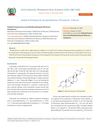 November 2023 in “Acta scientific pharmaceutical sciences”
 Different methods accurately measure Finasteride in medicines and body fluids.
 September 2023 in “Biology of reproduction”
 New testosterone analogs show promise for male contraception with better activity and potentially fewer side effects.
 June 2023 in “Journal of chemical metrology”
 A new method found unlisted drugs in two popular hair serums, posing a health risk.
 June 2023 in “International Journal for Research in Applied Science and Engineering Technology”
 Emulgel improves skin delivery of various drugs better than traditional methods.
 June 2023 in “LA Referencia (Red Federada de Repositorios Institucionales de Publicaciones Científicas)”
 Home photobiomodulation therapy can improve life quality and mobility for disabled individuals.
 May 2023 in “Frontiers in chemistry”
 Zolpidem shows up in hair from the top back of the head after one dose and fades over time, suggesting it gets into hair through blood and sweat.
 May 2023 in “Acta Universitatis Agriculturae et Silviculturae Mendelianae Brunensis”
 Royal Jelly gel is stable and may help with scar treatment.
The study aims to create a model to improve personalized and preventive health care.
 March 2023 in “Journal of pharmacognosy and phytochemistry”
 Unripe fruits of three banana species have many health-boosting compounds useful for medicine.
 January 2023 in “Advances in pharmacology and clinical trials”
 Human hair is a significant sample for various tests in clinical, nutritional, archaeological, and forensic studies.