8 citations
,
September 2015 in “Radiotherapy and oncology” Scalp cooling does not stop hair loss from radiotherapy.
Chemical treatments weaken hair's thermal stability and structure.
 4 citations
,
July 2005 in “International Journal of Dermatology”
4 citations
,
July 2005 in “International Journal of Dermatology” Topical PUVA and tacrolimus ointment can effectively and safely treat infant alopecia universalis.
Nano-sized sunscreens may penetrate skin and pose toxicity risks.
3 citations
,
November 2024 in “International Journal of Pharmaceutics” Larger positively charged gelatin nanoparticles are more effective for delivering treatments to hair follicles.
 January 2015 in “Przegla̧d dermatologiczny”
 308 nm excimer light therapy may help hair regrowth in alopecia areata with delayed results and no serious side effects.
 November 2022 in “The Indian journal of chest diseases & allied sciences”
 Isoniazid can rarely cause hair loss, which is reversible after stopping the drug.
December 2013 in “대한기계학회 춘추학술대회” A new cooling device keeps a constant temperature for medical procedures, improving results.
January 2025 in “SSRN Electronic Journal” May 2010 in “Europe PMC (PubMed Central)” Near-infrared probes can safely and effectively image cysteine protease activity for disease diagnosis.
24 citations
,
March 2009 in “Archives of dermatological research” The combination of oral PUVA and corticosteroids helps regrow hair in severe alopecia areata.
18 citations
,
March 2009 in “Skin pharmacology and physiology” Sunlight damages hair, causing cuticle loss, protein changes, and discoloration.
5 citations
,
April 2020 in “Journal of Mind and Medical Sciences” The new device improves surgical accuracy by using a special dye and camera to see inside tissues.
 23 citations
,
March 2019 in “The journal of investigative dermatology/Journal of investigative dermatology”
23 citations
,
March 2019 in “The journal of investigative dermatology/Journal of investigative dermatology” ATP increases melanin production in skin after UV exposure, with the P2X7 receptor being crucial for this process.
26 citations
,
November 2019 in “Medical Science Monitor” LED light therapy boosts bone cell growth and function.
20 citations
,
February 2022 in “Pharmaceutics” Idebenone-loaded nanoparticles improve wound healing and antioxidant effectiveness.
6 citations
,
March 2005 in “The Journal of Dermatology” Radiation therapy can worsen Discoid Lupus Erythematosus.
3 citations
,
October 2018 in “Journal of cosmetic dermatology” Pentoxifylline alone and combined with triamcinolone acetonide is effective for treating localized alopecia areata, with the combination showing the highest effectiveness.
 21 citations
,
January 2013 in “Annals of dermatology/Annals of Dermatology”
21 citations
,
January 2013 in “Annals of dermatology/Annals of Dermatology” The combination of cyclosporine and PUVA might help treat severe alopecia areata.
82 citations
,
May 2005 in “Dermatologic therapy” Laser hair removal has advanced to effectively reduce hair for various skin types and hair colors.
Ablative CO2 laser resurfacing tightens skin by promoting collagen and new cell growth.
January 2015 in “Journal of the turkish academy of dermatology” Phototherapy is effective in treating vitiligo.
1 citations
,
January 1994 in “Drug Development and Industrial Pharmacy” Topical radioprotectors can reduce radiation-induced hair loss.
 227 citations
,
December 2021 in “ACS Nano”
227 citations
,
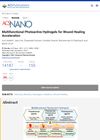
December 2021 in “ACS Nano” Special hydrogels that respond to light can speed up wound healing and prevent infection.
Fractional CO2 laser is more effective and safer than steroid injections for treating alopecia areata.
2 citations
,
January 1972 Hair can measure exposure to radioisotopes.
1 citations
,
February 2025 in “Archives of Dermatological Research” Using Excimer light with topical steroids is the most effective treatment for alopecia areata.
 January 2019 in “The Review of Laser Engineering”
 Multiphoton excitation microscopy is a promising tool for deep tissue imaging and clinical applications.
39 citations
,
January 2006 in “Journal of Cosmetic and Laser Therapy” Pneumatic Skin Flattening (PSF) significantly reduces pain during laser and IPL hair removal.