 August 2015 in “International Journal of Genetics and Molecular Biology”
 Certain genetic markers may increase or decrease prostate cancer risk.
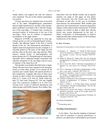 January 1999 in “Journal of the European Academy of Dermatology and Venereology”
 RAPK is a rare skin disorder with pigmented spots, mainly on hands and feet, starting in youth.
1 citations
,
October 2022 in “JAAD case reports” Low-dose oral minoxidil can cause serious heart complications.
4 citations
,
January 2020 in “JOURNAL OF CLINICAL AND DIAGNOSTIC RESEARCH” 2% Minoxidil effectively improves eyebrow hair growth and thickness.
 December 2025 in “PubMed”
 The minoxidil and finasteride foam remains stable and effective for 180 days at room temperature.
1 citations
,
January 2018 in “International Journal of Pharmaceutical Sciences and Drug Research” The minoxidil gel is stable and effective for treating alopecia areata.
 50 citations
,
September 1975 in “American Heart Journal”
50 citations
,
September 1975 in “American Heart Journal” Minoxidil effectively controls blood pressure in severe cases, but may cause fluid retention and edema.
 96 citations
,
October 1981 in “Drugs”
96 citations
,
October 1981 in “Drugs” Minoxidil effectively treats severe hypertension but may cause side effects, so careful monitoring is needed.
 September 2025 in “International Journal of Innovative Technologies in Social Science”
 Low-dose oral minoxidil is effective and safe for hair loss, but more research is needed.
 8 citations
,
October 2015 in “Asian Journal of Chemistry”
8 citations
,
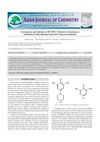
October 2015 in “Asian Journal of Chemistry” A new method was created to accurately measure minoxidil and aminexil in hair loss treatments.
 July 2025 in “Journal of Investigative Dermatology”
 Minoxidil may improve nail growth and appearance.
May 2026 in “Clinical and Experimental Dermatology” Sublingual minoxidil improved hair growth in a 10-year-old boy without side effects.
February 2023 in “Reactions Weekly”  September 2025 in “Clinical Case Reports”
 Oral minoxidil can cause dry mouth, but switching to topical minoxidil may prevent this side effect.
 January 2025 in “Current Drug Delivery”
 TrichoSol™ and TrichoFoam™ are stable and effective for personalized alopecia treatments.
 July 2013 in “Our Dermatology Online”
 Minoxidil 2% is more effective than tacrolimus 0.1% for hair regrowth in mild to moderate patchy hair loss, and combining both might give better results.
 15 citations
,
October 1981 in “Archives of internal medicine”
15 citations
,
October 1981 in “Archives of internal medicine” Minoxidil can cause severe skin reactions like Stevens-Johnson syndrome in rare cases.
December 2025 in “International Journal of Dermatology” Combining low-dose oral minoxidil with immunomodulators shows promise for treating alopecia areata but needs more research.
23 citations
,
March 2021 in “Gels” Microemulsions can improve minoxidil delivery and effectiveness for hair loss treatment.
9 citations
,
March 1991 in “American Journal of Contact Dermatitis” Minoxidil can cause allergic skin reactions, especially in long-term users.
 September 2025 in “Journal of the American Academy of Dermatology”
 Low-dose oral minoxidil may be a promising alternative to topical minoxidil for hair loss.
 63 citations
,
January 1984 in “Journal of Investigative Dermatology”
63 citations
,
January 1984 in “Journal of Investigative Dermatology” Minoxidil promotes hair growth by increasing cell division and DNA synthesis.
 1 citations
,
September 2023 in “Journal of The American Academy of Dermatology”
1 citations
,
September 2023 in “Journal of The American Academy of Dermatology” Low dose oral minoxidil can help with hair loss when used alone.
July 2026 in “Anais Brasileiros de Dermatologia” Nanominoxidil shows promise for hair growth but needs more clinical trials to confirm its effectiveness and safety.
 2 citations
,
January 2012 in “Hair therapy & transplantation”
2 citations
,
January 2012 in “Hair therapy & transplantation” DDAIP-HCl significantly increases minoxidil absorption into the skin.
 12 citations
,
August 2017 in “Archives of Pharmacal Research”
12 citations
,
August 2017 in “Archives of Pharmacal Research” Lecithin-based microparticles can deliver minoxidil for hair growth effectively with less skin irritation.
 102 citations
,
September 1977 in “The Lancet”
102 citations
,
September 1977 in “The Lancet” Minoxidil with propranolol and diuretics lowers blood pressure but causes fluid retention and hair growth.
12 citations
,
September 2021 in “Journal of molecular structure” The MXD/24HA salt is more effective for hair growth than raw MXD.
 3 citations
,
January 2018
3 citations
,
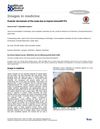
January 2018 A woman had an unusual allergic reaction to a hair loss treatment, which cleared up after stopping the treatment and using a different medication.
 29 citations
,
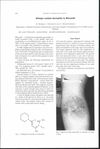
August 1985 in “Contact Dermatitis”
29 citations
,
August 1985 in “Contact Dermatitis” Minoxidil can cause allergic reactions like burning, itching, and red bumps.