 July 2021 in “Research, Society and Development”
 Minoxidil is effective and safe for hair growth in Androgenetic Alopecia, with manageable side effects.
 3 citations
,
January 2018
3 citations
,
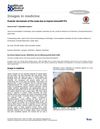
January 2018 A woman had an unusual allergic reaction to a hair loss treatment, which cleared up after stopping the treatment and using a different medication.
December 2009 in “Eclética Química” A simple and fast method accurately measures minoxidil in pharmaceuticals.
1 citations
,
January 2011 in “Journal of the American Academy of Dermatology” The combination of minoxidil and cyclosporine improved hair growth in short anagen syndrome.
 1 citations
,
August 2017
1 citations
,
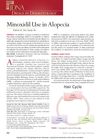
August 2017 Minoxidil helps stimulate hair growth and enlarge small follicles in common hair loss, but doesn't stop it, and its effects can be boosted when combined with finasteride.
Minoxidil and a solvent mixture can prevent hair loss caused by chemotherapy in mice.
36 citations
,
January 1991 in “PubMed” 2% Minoxidil does not prevent hair loss during chemotherapy.
 2 citations
,
December 2019 in “ABCS Health Sciences”
2 citations
,
December 2019 in “ABCS Health Sciences” Topical Minoxidil effectively and safely regrows hair in cancer patients.
 13 citations
,
January 1988 in “Contact Dermatitis”
13 citations
,
January 1988 in “Contact Dermatitis” Some patients using Minoxidil for baldness developed allergic skin reactions.
 57 citations
,
January 1980 in “Journal of Cardiovascular Pharmacology”
57 citations
,
January 1980 in “Journal of Cardiovascular Pharmacology” Minoxidil treats high blood pressure and side effects can be managed.
 July 2014 in “Journal of Dermatology and Cosmetic”
 Niosomal minoxidil was found to be more effective in increasing hair count and patient satisfaction than conventional minoxidil in treating hair loss.
 1 citations
,
June 2022 in “Current drug safety”
1 citations
,
June 2022 in “Current drug safety” Topical minoxidil can rarely cause pleural effusion if ingested.
 33 citations
,
July 1992 in “Journal of Investigative Dermatology”
33 citations
,
July 1992 in “Journal of Investigative Dermatology” Minoxidil doesn't affect perifollicular lymphoid infiltration in alopecia areata patients.
 9 citations
,
December 1991 in “Annals of the New York Academy of Sciences”
9 citations
,
December 1991 in “Annals of the New York Academy of Sciences” Minoxidil helps hair growth by increasing blood flow and stimulating hair follicles.
 26 citations
,
August 2018 in “Dermatologic Therapy”
26 citations
,
August 2018 in “Dermatologic Therapy” Minoxidil helps treat pattern hair loss in both men and women.
 August 2024 in “Bioimpacts”
 Kopexil is an effective and safe hair growth treatment.
November 2024 in “Actas Dermo-Sifiliográficas” Low-dose oral minoxidil can improve hair and eyebrow growth in frontal fibrosing alopecia.
 February 2025 in “Expert Opinion on Drug Safety”
 Topical minoxidil may cause more side effects than currently listed, needing updated safety information.
 December 2024 in “Journal of the European Academy of Dermatology and Venereology”
 Sublingual and oral minoxidil are equally effective for hair growth, but sublingual causes fewer palpitations.
 26 citations
,
January 1978 in “Nephron”
26 citations
,
January 1978 in “Nephron” Minoxidil lowers blood pressure effectively but may cause side effects.
 19 citations
,
July 2020 in “Journal of drug delivery science and technology”
19 citations
,
July 2020 in “Journal of drug delivery science and technology” Nanoemulsions with minoxidil and clove oil effectively target hair follicles for better alopecia treatment.

Thiolated cyclodextrin-based nanoparticles effectively deliver Minoxidil for scalp treatment without causing skin irritation.
 19 citations
,
March 1990 in “Journal of Cardiovascular Pharmacology”
19 citations
,
March 1990 in “Journal of Cardiovascular Pharmacology” Minoxidil affects rat fluid dynamics, altering pressure and circulation, improving blood flow and hair growth.
April 2023 in “Klinicheskaya dermatologiya i venerologiya” Oral Minoxidil may be better for hair growth than topical, but its long-term safety is unclear.
April 2003 in “Journal of Clinical Dermatology” Capsaicin and minoxidil together lead to quick, steady hair growth.
 9 citations
,
April 2018 in “JAMA Dermatology”
9 citations
,
April 2018 in “JAMA Dermatology” Topical minoxidil improves hair loss in 80% of women with breast cancer undergoing endocrine therapy.
 November 2024 in “Journal of Drugs in Dermatology”
 Injectable minoxidil is a promising, effective treatment for hair loss.
 November 1991 in “PubMed”
 Minoxidil, a topical solution, was found to slow balding in most cases and increase hair density in some, but only a few saw significant cosmetic improvement.
 October 2025 in “American Journal of Clinical Dermatology”
 Low-dose oral minoxidil can effectively promote hair growth but requires careful monitoring for safety.
 June 2026 in “Journal of Materials Science Materials in Medicine”
 A 5% minoxidil nanoemulsion improved hair growth more effectively than commercial solutions without causing skin irritation.