Search
for
Sort by
Research
120-150 / 1000+ resultsresearch [A patient with advanced recurrent breast cancer who firmly resisted hair loss and was then treated by combination therapy with high-dose toremifene and capecitabine].
The combination of high-dose toremifene and capecitabine was effective for advanced recurrent breast cancer.
research Adjuvant eflornithine to maintain IPL‐induced hair reduction in women with facial hirsutism: a randomized controlled trial
Topical eflornithine helps maintain hair reduction after IPL therapy in women with facial hirsutism.
research Ritlecitinib and brepocitinib demonstrate significant improvement in scalp alopecia areata biomarkers
Two drugs, ritlecitinib and brepocitinib, improved scalp hair loss condition markers.
research Endocrine Therapy–Induced Alopecia in Patients With Breast Cancer
Hair loss from hormone therapy in breast cancer patients can be improved with minoxidil treatment.
research “PRIDE” Complex
Certain cancer drugs can cause skin issues like rashes and itching.
research Ritlecitinib in severe alopecia areata: a profile of its use
Ritlecitinib effectively regrows hair in severe alopecia areata and is well tolerated.
research Updated Integrated Efficacy Analysis of Ritlecitinib Up to 3 Years in Adolescents With Alopecia Areata From the ALLEGRO Clinical Trials
Ritlecitinib is effective long-term for treating alopecia areata in teens.
research NEW PROPRIETARY BRANDS: Cefaclor monohydrate
Lifestyle changes are more effective than medication for reducing type 2 diabetes risk.
research The E6/E7 oncogenes of human papilloma virus and estradiol regulate hedgehog signaling activity in a murine model of cervical cancer
HPV genes and estradiol increase a cancer-related signaling pathway, which may be targeted for cervical cancer treatment.
research A randomized study of eflornithine cream combined with intense pulsed light versus intense pulsed light treatment alone for hirsutism in women
Combining eflornithine cream with IPL is more effective for removing unwanted facial hair in women.
research Minoxidil for Endocrine Therapy–Induced Alopecia in Women With Breast Cancer—Saint Agatha’s Blessing?
Topical minoxidil improves hair loss in 80% of women with breast cancer undergoing endocrine therapy.
research How useful is ritlecitinib in alopecia areata?
Ritlecitinib helps regrow hair in alopecia areata and is safe for long-term use.
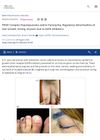
research PRIDE Complex (Papulopustules and/or Paronychia, Regulatory Abnormalities of Hair Growth, Itching, Dryness Due to EGFR Inhibitors)
PRIDE complex side effects from EGFR inhibitors can be managed without stopping treatment.
research Hirsutism in a Female Adolescent Induced by Long-Acting Injectable Risperidone
A teenage girl's excessive hair growth was caused by a medication for mania, but improved after stopping the medication.
research How useful is ritlecitinib in alopecia areata?
Ritlecitinib helps regrow hair in alopecia areata and is safe for long-term use.
research Phase I Study of the Hedgehog Pathway Inhibitor IPI-926 in Adult Patients with Solid Tumors
The drug IPI-926 is safe at 160 mg daily and may help treat certain tumors, especially basal cell carcinoma.
research A Cost-per-Responder Analysis of Ritlecitinib vs Baricitinib in Severe Alopecia Areata
Ritlecitinib is more effective and cheaper than baricitinib for treating severe alopecia areata.
research TOPICAL EFLORNITHINE TREATMENT FOR HIRSUTISM IN WOMEN: SUMMARY OF FINDINGS
Topical eflornithine effectively reduces facial hair in women and improves quality of life.
research Irisin promotes hair growth and hair cycle transition by activating the GSK‐3β/β‐catenin pathway
Irisin can promote hair growth by activating a specific signaling pathway.
research Ishige sinicola extract stimulates osteoblast proliferation and differentiation via the bone morphogenetic protein 2/runt-related gene 2 signalling pathway
Ishige sinicola extract helps bone-building cells grow and mature, which could aid in treating osteoporosis.
research Patient Profile and Treatment Characteristics of Early Ritlecitinib Initiators in the US
Ritlecitinib provides new treatment options for diverse alopecia areata patients.
research Moving Beyond Boundaries: Utilization of Longitudinal Exposure–Response Model for Bounded Outcome Score to Inform Decision Making in the Accelerated Drug Development Paradigm
A 50 mg daily dose of ritlecitinib is effective for alopecia areata, with temporary treatment breaks up to 6 weeks not affecting results.
research Reduced estradiol synthesis by letrozole, an aromatase inhibitor, is protective against development of pentylenetetrazole-induced kindling in mice
Letrozole may help prevent seizures by reducing certain hormone levels.
research Editorial Comment
5-ARI therapy may help prevent prostate cancer progression.
research Estrogens
research Chrysin Increases the Therapeutic Efficacy of Docetaxel and Mitigates Docetaxel-Induced Edema
Chrysin makes docetaxel more effective and reduces its side effects in lung cancer treatment.
research Erlotinib-Induced Skin Inflammation Is IL-1 Mediated in KC-Tie2 Mice and Human Skin Organ Culture
Erlotinib causes skin inflammation through IL-1, which can be reduced by anakinra.
research Unraveling Ritlecitinib: an in-depth analysis of JAK3 inhibitor for the treatment of alopecia areata
Ritlecitinib is an effective new treatment for Alopecia Areata.
research Sustained Scalp, Eyebrow, and Eyelash Hair Regrowth with Ritlecitinib Through Week 48 in Patients with Alopecia Areata: Post-Hoc Analysis of the ALLEGRO Phase 2b/3 Study
Ritlecitinib effectively maintains hair regrowth in alopecia areata patients.