10 citations
,
July 2022 in “Journal of the Turkish-German Gynecological Association” Vitamins B3, B6, C, and iron intake affect hormone levels in women with certain types of PCOS.
 10 citations
,
January 2012 in “International Journal of Trichology”
10 citations
,
January 2012 in “International Journal of Trichology” The study found no link between anxiety, vitamin B12, folate, TSH, ferritin, zinc levels, and trichodynia in telogen alopecia patients.
 8 citations
,
May 2021 in “Applied Materials Today”
8 citations
,
May 2021 in “Applied Materials Today” New nano composite helps reduce scars and regrow hair during burn wound healing.
 8 citations
,
June 2012 in “Australasian Journal of Dermatology”
8 citations
,
June 2012 in “Australasian Journal of Dermatology” A rare form of alopecia causes hair thinning without bald spots and may be more common than thought, responding well to steroid treatment.
 6 citations
,
March 1982 in “Clinical and Experimental Dermatology”
6 citations
,
March 1982 in “Clinical and Experimental Dermatology” The document says that hair loss in women is often due to androgenic alopecia, similar to male baldness, and that hirsutism is treated with hormonal and cosmetic methods.
4 citations
,
March 2019 in “IP Indian Journal of Clinical and Experimental Dermatology” Low iron levels may be linked to hair loss in non-menopausal women.
2 citations
,
December 2021 in “Journal of Drugs in Dermatology” Early diagnosis and treatment of alopecia in children are crucial for managing physical and psychological impacts.
 2 citations
,
June 2020 in “International Journal of Research -GRANTHAALAYAH”
2 citations
,
June 2020 in “International Journal of Research -GRANTHAALAYAH” Human hair follicles' biomagnetic fields might contribute to migraines.
 1 citations
,
December 2015 in “Lʹvìvsʹkij klìnìčnij vìsnik”
1 citations
,
December 2015 in “Lʹvìvsʹkij klìnìčnij vìsnik” Correcting trace element imbalances may help reduce alopecia areata symptoms.
 January 2026 in “The Pharma Innovation”
 Lifestyle changes and a balanced diet can improve thyroid health in people with hypothyroidism.

Secukinumab treatment may cause HBV reactivation and hair discoloration.
 March 2025 in “INTERANTIONAL JOURNAL OF SCIENTIFIC RESEARCH IN ENGINEERING AND MANAGEMENT”
 Hair health is influenced by genetics, lifestyle, and modern treatments, but practical solutions are limited.

Iron supplements improved hemoglobin levels and combined iron and zinc reduced measles risk in Indonesian infants.
 April 2024 in “Academic dermatology”
 Dermatologists should carefully manage hair loss in cancer patients to improve their quality of life.
 March 2024 in “International journal of molecular sciences”
 Zinc, copper, and iron are important for skin health and may help diagnose skin diseases.
 October 2023 in “Journal of Family Medicine and Primary Care”
 More awareness and education on iron deficiency anemia are needed in Riyadh.
 June 2023 in “Journal of Ayurvedic and herbal medicine”
 Pumpkin seeds may improve health due to their rich nutrients and potential to treat various conditions.
 January 2023 in “Editora Conhecimento Livre eBooks”
 A balanced diet with key nutrients and possible supplements can help manage post-COVID-19 symptoms.
 November 2022 in “SAS journal of medicine”
 There's no link between low iron levels and the hair loss condition, alopecia areata.
 September 2018 in “Journal of the American Academy of Dermatology”
 Elderly patients with CCCA were all African American with low vitamin D, but no iron or zinc deficiencies, and no hormonal imbalances compared to younger patients.
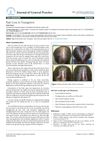 January 2018 in “Journal of general practice”
 Young people are losing hair due to stress, poor diet, pollution, and lack of sleep, but it can be treated with supplements and scalp treatments.
 October 2017 in “Iranian Journal of Dermatology”
 Clinical exams are good for diagnosing some women's hair loss, but lab tests aren't always needed.
July 2004 in “DOAJ (DOAJ: Directory of Open Access Journals)” A multidisciplinary approach with controlled exercise, better nutrition, hormone treatment, and psychological care is needed for anorexia nervosa.
Collagen CLR and placenta extract may help treat diffuse hair loss.
February 2023 in “El-Minia Medical Bulletin” Female hair loss patients may benefit from zinc and iron supplements.
10 citations
,
November 2021 in “European Journal of Clinical Nutrition” Low iron levels can cause hair loss and restless legs in non-anemic women.

Iron deficiency worsens inflammatory skin diseases by disrupting iron balance and increasing inflammation.
 14 citations
,
January 2015 in “Current problems in dermatology”
14 citations
,
January 2015 in “Current problems in dermatology” Female pattern hair loss treatments vary in effectiveness and may have side effects.
 100 citations
,
July 2018 in “Journal of The American Academy of Dermatology”
100 citations
,
July 2018 in “Journal of The American Academy of Dermatology” People with alopecia areata often have other health issues like skin diseases, metabolic syndrome, stomach infections, lupus, anemia, thyroid problems, mental health issues, vitamin D deficiency, and hearing and eye problems.
 70 citations
,
June 2010 in “Clinics in Dermatology”
70 citations
,
June 2010 in “Clinics in Dermatology” Certain groups may need vitamin supplements to improve hair health and prevent other health problems.