4 citations
,
January 2025 in “Pharmaceutics” The gel is a safe and effective treatment for hyperpigmentation.
99 citations
,
January 2004 in “Journal of Biological Chemistry” Methylprednisolone helps skin cells stick together better in pemphigus vulgaris.

Retinol with polylysine cleared scalp skin growths in 21 days without side effects.
Various substances, quitting smoking, and certain topical applications can enhance the survival of skin flaps used in surgery. Oxygen-free radicals play a role in tissue injury, but certain treatments can have beneficial effects.
 January 2018 in “Springer eBooks”
 PDE inhibitors, especially PDE4 inhibitors like apremilast, are effective for certain inflammatory skin conditions but have side effects and can be costly.
12 citations
,
November 2012 in “Bulletin of experimental biology and medicine” Taxifolin-based treatments help skin heal after chemical burns.
 2 citations
,
May 2023 in “Life”
2 citations
,
May 2023 in “Life” Plumbagin may help protect cells, reduce inflammation, and has potential for treating various diseases, but more research is needed.
July 2024 in “Journal of Investigative Dermatology” PP405 may help hair growth by activating hair follicle stem cells.
 2 citations
,
January 2002 in “The Journal of Korean Medicine Ophthalmology and Otolaryngology and Dermatology”
2 citations
,
January 2002 in “The Journal of Korean Medicine Ophthalmology and Otolaryngology and Dermatology” Sophora flavescens extract helps hair grow and prevents acne.
March 2019 in “eCommons (Cornell University)” The pony's skin condition improved significantly with prednisolone treatment.
9 citations
,
January 2021 in “Mediators of Inflammation” 15d‐PGJ2 cream protects against UVB-induced skin damage in mice.
 23 citations
,
January 2005 in “Nihon Ishinkin Gakkai zasshi”
23 citations
,
January 2005 in “Nihon Ishinkin Gakkai zasshi” Nested PCR can reliably identify fungal infections when traditional methods fail.
 February 2016 in “Acta Medica Marisiensis”
 A woman with chronic hepatitis C had a rare skin condition linked to her illness.
2 citations
,
July 2025 in “Acta Pharmacologica Sinica” Isoginkgetin reduces inflammation in cells by blocking NF-κB activation.
5 citations
,
November 1979 in “Archives of dermatology” Tretinoin cream successfully treated a woman's skin condition called Fox-Fordyce disease.
 September 2017 in “Journal of Investigative Dermatology”
 HIF-1A may aid hair growth, Backhousia citriodora improves skin, autologous cells stabilize hair loss, infrared thermography assesses alopecia, and a new treatment preserves hair.
 54 citations
,
October 2002 in “Journal of controlled release”
54 citations
,
October 2002 in “Journal of controlled release” Medium lipophilic substances penetrate skin best, and adding ethanol can increase delivery to hair follicles.
October 2024 in “Dermatologica Sinica” Recognizing unusual symptoms in Crohn's disease is crucial for proper treatment.
2 citations
,
January 2023 in “Dermatologic Therapy” CEFFE injections effectively and safely improve postinflammatory hyperpigmentation.
 September 2019 in “Actas dermo-sifiliográficas/Actas dermo-sifiliográficas”
 Isotretinoin at low doses effectively treats facial papules in frontal fibrosing alopecia.
22 citations
,
January 2012 in “Mediators of inflammation” Nonantibiotic macrolides show promise for treating various inflammatory skin conditions.
 9 citations
,
November 2017 in “Journal of Glaucoma”
9 citations
,
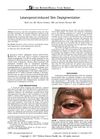
November 2017 in “Journal of Glaucoma” Latanoprost eye drops may cause skin depigmentation.
9 citations
,
April 2006 in “International Journal of Dermatology” DFMO may help control hair growth and treat cancer.
 January 2018 in “Our Dermatology Online”
 Trichomycosis axillaris is a treatable bacterial infection of underarm hair.
 January 2018 in “Springer eBooks”
 Terbinafine is the most effective medicine for fungal nail infections, especially for diabetics and those with weak immune systems.
15 citations
,
August 2002 in “British Journal of Ophthalmology” Intralesional cidofovir might be a viable alternative treatment for certain conditions.
13 citations
,
December 1977 in “Journal of Toxicology and Environmental Health” High levels of phenyl glycidyl ether vapor caused hair loss in rats.
14 citations
,
January 2014 in “Tropical Journal of Pharmaceutical Research” Urtica dioica L. extract may help treat tinea corporis but is less effective than terbinafine.
18 citations
,
November 1989 in “Clinical and experimental dermatology” Griseofulvin is the best treatment for severe scalp infection caused by Microsporum canis.
 11 citations
,
October 2016 in “Pediatric dermatology”
11 citations
,
October 2016 in “Pediatric dermatology” Stopping the use of fluocinolone oil containing balsam fragrance improved hair regrowth in children allergic to it.