 November 2024 in “ACS Materials Letters”
 The new nitric oxide delivery system may effectively treat hair loss by improving hair follicle health and reducing inflammation.
 31 citations
,
September 2014 in “International Journal of Dermatology”
31 citations
,
September 2014 in “International Journal of Dermatology” Anthralin is effective for psoriasis and alopecia with minimal systemic side effects but can irritate the skin.
40 citations
,
March 2003 in “The journal of small animal practice/Journal of small animal practice” Trilostane helped a dog with an adrenal tumor feel better and stay healthy.
May 2024 in “Journal of clinical medicine” Spironolactone is safe for treating female hair loss, but the safety of other drugs is uncertain.
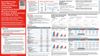 November 2025 in “SKIN The Journal of Cutaneous Medicine”
 Baricitinib works better in adolescents than adults for treating severe alopecia areata.
 8 citations
,
January 2008 in “Annals of Dermatology”
8 citations
,
January 2008 in “Annals of Dermatology” Combining Cyclosporine A with low-dose corticosteroids effectively treats severe alopecia areata.
 August 2013 in “Hospital Pharmacy”
 Certain medications can cause serious side effects, including skin reactions, stroke, muscle disorders, tongue swelling, hair loss in women, and liver failure.
Betamethasone dipropionate lotion is more effective than minoxidil solution for treating Alopecia Areata.
 July 2024 in “Medical alphabet”
 Betamethasone injections are more effective than Clobetasol for treating alopecia areata in children.
1 citations
,
August 2019 in “Evidence-Based Practice” Spironolactone and finasteride are equally effective for hirsutism in transgender women.
 April 2023 in “Journal of The American Academy of Dermatology”
 Some drugs linked to growth hormones may increase the chance of hair loss in women.
2 citations
,
January 2012 in “Australian and New Zealand journal of psychiatry” Haloperidol decanoate can cause alopecia areata.
30 citations
,
July 2007 in “PubMed” Betamethasone oral mini-pulse therapy is safe and effective for treating extensive alopecia areata.
October 2023 in “The Open Dermatology Journal” Baricitinib is effective for severe alopecia areata with manageable side effects, mainly upper respiratory infections.
 August 2023 in “Journal of Cosmetic Dermatology”
 Both minoxidil-spironolactone and minoxidil-finasteride treatments work for hair loss, but minoxidil-spironolactone is slightly more effective, especially in women.
 4 citations
,
January 2018 in “General Physiology and Biophysics”
4 citations
,
January 2018 in “General Physiology and Biophysics” The steroids allopregnanolone and allotetrahydrodeoxycorticosteron worsened absence seizures in rats.
 January 1994 in “Journal of Dermatological Treatment”
 Spironolactone helped reduce excessive facial hair in a woman with porphyria cutanea tarda.
 10 citations
,
September 2015 in “Gynecological Endocrinology”
10 citations
,
September 2015 in “Gynecological Endocrinology” Both treatments reduced excessive hair growth in PCOS, but there was no difference in weight, hair score, hormone levels, or insulin resistance.
Hair regrowth improved, but quality of life did not.
43 citations
,
December 2012 in “The Journal of Steroid Biochemistry and Molecular Biology” Progesterone protects neurons from damage by converting to allopregnanolone, which works through GABAA receptors.
 September 2024 in “Journal of the European Academy of Dermatology and Venereology”
 Baricitinib effectively reduces hair loss in severe alopecia areata with mild side effects.
19 citations
,
April 2017 in “Synapse” Blocking allopregnanolone production in mice makes them more anxious after stress, but this can be reversed with a drug that mimics allopregnanolone.
 January 2026 in “Zenodo (CERN European Organization for Nuclear Research)”
 LX-38 is a safer drug option for hair loss and prostate issues without hormonal side effects.
141 citations
,
February 2005 in “Journal of the American Academy of Dermatology” Oral prednisolone helps hair regrowth in alopecia areata.
7 citations
,
October 2012 in “PubMed” Triamcinolone regrows hair better but relapses more than anthralin.
 11 citations
,
July 2019 in “The Journal of Sexual Medicine”
11 citations
,
July 2019 in “The Journal of Sexual Medicine” Spironolactone might cause painful intercourse and decreased sexual arousal in women.
 1 citations
,
May 2015 in “Journal of The American Academy of Dermatology”
1 citations
,
May 2015 in “Journal of The American Academy of Dermatology” Both azathioprine and betamethasone treatments effectively regrow hair in alopecia areata, but azathioprine may be safer.
March 2020 in “Revista Eletrônica da Faculdade de Ceres” Latanoprost's effectiveness for hair growth is not confirmed but shows promise, needing more research.
December 2025 in “PubMed” Baricitinib is effective and safe for treating severe alopecia areata.
 June 2022 in “Pakistan Journal of Medical and Health Sciences”
 Topical clobetasol propionate 0.05% ointment is more effective in promoting hair regrowth in patients with alopecia areata than topical tacrolimus 0.1% ointment.