November 2025 in “Journal of the European Academy of Dermatology and Venereology” JAK inhibitors may reduce depression in people with alopecia areata.
 July 2024 in “Medical alphabet”
 JAK inhibitors like tofacitinib may effectively treat alopecia in children without major side effects.
June 2020 in “Dermatologic therapy” Using Janus kinase inhibitors (JAKi) in COVID-19 treatment requires careful consideration due to their immunosuppressive effects.
18 citations
,
December 2010 in “Transplantation Proceedings” Black hairy tongue can be an early sign of graft-versus-host disease after stem cell transplants.
December 2017 in “JURNAL FARMANESIA” Red dragon fruit peel extract can effectively dye gray hair black.
 56 citations
,
January 2019 in “Lancet”
56 citations
,
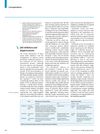
January 2019 in “Lancet” JAK inhibitors help regrow hair in alopecia areata patients, improving their quality of life.
 December 2024 in “Cureus”
 Baricitinib treatment for alopecia universalis can cause hair regrowth with unexpected whitening.
 October 2023 in “Frontiers in medicine”
 Comprehensive screening for infections is crucial before starting JAK inhibitors in alopecia areata patients.
8 citations
,
March 2023 in “PubMed” JAK inhibitors show promise in treating difficult skin diseases.
1 citations
,
January 2020 in “Journal of Biosciences and Medicines” Red and black pop bean extracts protect against UV radiation and promote hair growth.
 1 citations
,
April 2025 in “Dermatology Practical & Conceptual”
1 citations
,
April 2025 in “Dermatology Practical & Conceptual” Trichoscopy helps understand and manage traction alopecia in Black patients.
1 citations
,
September 2025 in “JAAD reviews.” Janus kinase inhibitors are effective for severe alopecia areata, promoting hair regrowth.
October 2025 in “Postgraduate Medical Journal” Deuruxolitinib and baricitinib are effective for treating severe alopecia areata.
 1 citations
,
September 2023 in “Journal of the American Academy of Dermatology”
1 citations
,
September 2023 in “Journal of the American Academy of Dermatology” Baricitinib significantly improves hair regrowth in severe alopecia areata.
62 citations
,
December 1966 in “Endocrinology” Injecting α-MSH made mice's hair turn black.
5 citations
,
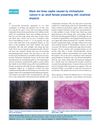
August 1925 in “Archives of dermatology” An 8-year-old boy with Recklinghausen's Disease shows various symptoms and is from a family with close genetic ties.
 1 citations
,
January 2015 in “Indian journal of dermatology, venereology, and leprology”
1 citations
,
January 2015 in “Indian journal of dermatology, venereology, and leprology” A woman's scalp infection caused by a fungus led to permanent hair loss and was hard to treat but responded to a specific antifungal.
5 citations
,
April 2019 in “Journal of Investigative Dermatology” Oral JAK inhibitors improved alopecia areata by modulating immune responses and boosting hair growth.
 November 2024 in “SKIN The Journal of Cutaneous Medicine”
 Visual signs are crucial for accurately diagnosing and treating different types of hair loss in Black patients.
 25 citations
,
November 2022 in “British journal of dermatology/British journal of dermatology, Supplement”
25 citations
,
November 2022 in “British journal of dermatology/British journal of dermatology, Supplement” Baricitinib for severe alopecia areata is generally safe, with common side effects like infections and acne, and low rates of serious complications.
January 2025 in “Consultant” COVID-19 vaccines might cause hair loss, but JAK inhibitors can help regrow hair.
 June 2026 in “Saudi Medical Horizons Journal”
 JAK inhibitors show promise in treating skin conditions like eczema, hair loss, and vitiligo but need more safety research.
1 citations
,
January 2000 in “Indian Journal of Dermatology” A woman had hair loss and scalp nodules due to black piedra, confirmed by tests.
June 2026 in “Journal of Cosmetic and Regenerative Medicine” JAK inhibitors effectively treat certain skin diseases but need careful use due to potential safety concerns.
 December 2025 in “Scientific Reports”
 α-Mangostin can naturally lighten skin by reducing melanin.
July 2026 in “Journal of the American Academy of Dermatology” March 2026 in “Immunological Medicine” Janus kinase inhibitors help some people with severe alopecia areata regrow hair, but not everyone responds, and relapses can happen.
April 2025 in “Acta Dermato Venereologica” Janus Kinase inhibitors are effective and safe for treating alopecia areata, but more research is needed.
 August 2023 in “International journal of research in dermatology”
 Janus kinase inhibitors are effective and generally safe for treating hair loss in adults with alopecia areata.
June 2026 in “British Journal of Dermatology” Oral JAK inhibitors effectively regrow hair in alopecia areata with a good safety profile.