 April 2025 in “Vestnik dermatologii i venerologii”
 JAK inhibitors like tofacitinib are effective and safer for severe alopecia areata than glucocorticosteroids.
 March 2025 in “Meditsinskiy sovet = Medical Council”
 Dupilumab and oral JAK inhibitors are effective for treating alopecia areata with atopic diseases.
October 2024 in “Journal of Pakistan Association of Dermatologists” Tofacitinib helped a 21-year-old regrow hair after alopecia totalis.
 April 2024 in “Expert opinion on investigational drugs”
 JAK inhibitors are safe and effective for treating moderate-to-severe alopecia areata.
 May 2023 in “The journal of investigative dermatology/Journal of investigative dermatology”
 A potential treatment for atopic dermatitis could be to increase PADI1 expression to improve skin barrier function.
September 2022 in “IP Indian journal of clinical and experimental dermatology” Doctors should prescribe Minoxidil, Finasteride, and Dutasteride for treating androgenetic alopecia.
1 citations
,
February 2025 in “International Journal of Dermatology” Abrocitinib may effectively treat Lichen Planopilaris.
15 citations
,
December 2019 in “European Journal of Dermatology” Low-dose tofacitinib is effective and cheaper for severe alopecia areata.
14 citations
,
March 2017 in “Genes and immunity” Certain microRNAs may help treat alopecia areata by targeting immune pathways.
 10 citations
,
June 2017 in “Experimental Dermatology”
10 citations
,
June 2017 in “Experimental Dermatology” New hair loss treatments have evolved from understanding hair biology and patient needs.
2 citations
,
March 2025 in “International Journal of Dermatology” Tralokinumab successfully treated alopecia areata in a patient with atopic dermatitis.
2 citations
,
January 2020 in “Enlighten: Theses (The University of Glasgow)” Alopecia areata is an autoimmune disease causing hair loss, and targeting macrophages may help treat it.
1 citations
,
April 2025 in “Skin Health and Disease” Combining delgocitinib ointment with excimer laser can effectively treat severe alopecia areata.
July 2024 in “Journal of Investigative Dermatology” CD8+ T cells expand significantly in alopecia areata, suggesting new treatment targets.
 April 2024 in “Frontiers in physiology”
 Immune cells are crucial for hair growth and preventing hair loss.
25 citations
,
March 2021 in “Australasian Journal of Dermatology” Ustekinumab successfully treated a man's resistant skin condition when other treatments failed.
 49 citations
,
March 2017 in “Journal of the American Academy of Dermatology”
49 citations
,
March 2017 in “Journal of the American Academy of Dermatology” Tofacitinib caused significant hair regrowth in adolescents with alopecia universalis who didn't respond to other treatments.
 27 citations
,
January 2020 in “Experimental Dermatology”
27 citations
,
January 2020 in “Experimental Dermatology” Immune cells affect hair growth and could lead to new hair loss treatments.
 3 citations
,
February 2024 in “Journal of the American Academy of Dermatology”
3 citations
,
February 2024 in “Journal of the American Academy of Dermatology” Topical tofacitinib cream may help treat certain hair loss conditions with fewer risks.
 11 citations
,
November 2019 in “Journal of the American Academy of Dermatology”
11 citations
,
November 2019 in “Journal of the American Academy of Dermatology” Oral tofacitinib is a promising treatment for beard hair loss in alopecia areata.
 January 2022 in “Clinical Cases in Dermatology”
 A condition called Central Centrifugal Cicatricial Alopecia causes hair loss and scalp burning in middle-aged African women, and it's treated with various medications, hair transplants, and non-drug methods like wigs.
3 citations
,
October 2020 in “The journal of investigative dermatology. Symposium proceedings/The Journal of investigative dermatology symposium proceedings” Alopecia areata is a hair loss disease caused by complex immune reactions, and new targeted treatments show promise.
 8 citations
,
May 2017 in “Singapore Medical Journal”
8 citations
,
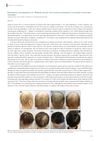
May 2017 in “Singapore Medical Journal” A Korean woman with complete hair loss regrew her hair after taking tofacitinib, with no side effects.
 February 2026 in “Indian Journal of Skin Allergy”
 Ruxolitinib cream effectively treats skin conditions like atopic dermatitis and vitiligo with minimal side effects.
 February 2025 in “PubMed”
 Switching JAK inhibitors can lead to significant hair regrowth in severe alopecia cases.
 December 2024 in “Drug Discoveries & Therapeutics”
 Baricitinib-loaded EVs help hair regrowth in alopecia areata by reducing inflammation and promoting hair follicle regeneration.
 June 2024 in “Bőrgyógyászati és Venerológiai Szemle”
 New treatments for hair loss, like JAK inhibitors, PRP, anti-androgens, and minoxidil, offer better options.
 January 2024 in “Case Reports in Dermatological Medicine”
 Baricitinib may effectively treat nail changes in alopecia areata.
December 2025 in “Cosmetics” New treatments for alopecia show promise in restoring hair growth by targeting immune and hormonal factors.
Certain Chinese herbs may help treat kidney fibrosis by targeting TGF-β.