 2 citations
,
April 2024 in “Dermatology Practical & Conceptual”
2 citations
,
April 2024 in “Dermatology Practical & Conceptual” Tofacitinib and baricitinib are effective and safe for treating severe alopecia areata, especially in younger people.
 2 citations
,
March 2024 in “PubMed”
2 citations
,
March 2024 in “PubMed” More research is needed on alopecia areata treatments and its psychological effects.
The authors suggest that 5-α-reductase inhibitors, like dutasteride, are effective in treating frontal fibrosing alopecia and should be the first-line treatment, with other options for severe cases. They also recommend further research on Janus kinase inhibitors.
2 citations
,
May 2020 in “JAAD case reports” Ruxolitinib can cause a delayed skin reaction on the nose.
2 citations
,
September 2019 Alopecia areata treatments should be personalized, using options like steroids, JAK inhibitors, and other therapies based on individual needs.
2 citations
,
May 2017 in “Journal of the American Academy of Dermatology” Tofacitinib helped a 19-year-old regrow hair after other treatments failed.
 2 citations
,
May 2017 in “InTech eBooks”
2 citations
,
May 2017 in “InTech eBooks” Stem cells could improve hair growth and new treatments for baldness are being researched.
 2 citations
,
March 2015 in “Expert opinion on orphan drugs”
2 citations
,
March 2015 in “Expert opinion on orphan drugs” New treatments for hair loss show promise but need more research to confirm safety and effectiveness.
2 citations
,
March 2025 in “International Journal of Dermatology” Tralokinumab successfully treated alopecia areata in a patient with atopic dermatitis.
 2 citations
,
July 2024 in “Revista Ibero-Americana de Humanidades, Ciências e Educação”
2 citations
,
July 2024 in “Revista Ibero-Americana de Humanidades, Ciências e Educação” No treatment works for everyone, and emotional support is crucial.
2 citations
,
January 2023 in “Skin Appendage Disorders” Beard alopecia areata causes patchy beard hair loss, often treatable with janus kinase inhibitors.
2 citations
,
January 2020 in “Enlighten: Theses (The University of Glasgow)” Alopecia areata is an autoimmune disease causing hair loss, and targeting macrophages may help treat it.
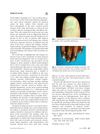 2 citations
,
June 2018 in “Journal of the American Academy of Dermatology”
2 citations
,
June 2018 in “Journal of the American Academy of Dermatology” Alopecia areata causes varying hair loss and nail changes, and treatments include topical, systemic, and injectable therapies.
 2 citations
,
November 2014 in “The journal of investigative dermatology/Journal of investigative dermatology”
2 citations
,
November 2014 in “The journal of investigative dermatology/Journal of investigative dermatology” Oral tofacitinib can treat both psoriasis and alopecia universalis by normalizing inflammatory pathways.
1 citations
,
June 2026 in “Dermato” Ritlecitinib is effective for treating alopecia areata, showing significant hair regrowth with mild side effects.
 1 citations
,
September 2024 in “IP Indian Journal of Clinical and Experimental Dermatology”
1 citations
,
September 2024 in “IP Indian Journal of Clinical and Experimental Dermatology” Topical tofacitinib is a safe and effective treatment for autoimmune skin disorders.
 1 citations
,
January 2024 in “Curēus”
1 citations
,
January 2024 in “Curēus” Upadacitinib significantly improved a man's severe scalp condition when other treatments failed.
 1 citations
,
August 2023 in “JAMA Dermatology”
1 citations
,
August 2023 in “JAMA Dermatology” Increasing the dose of baricitinib to 4 mg helps more patients with severe alopecia areata regrow hair.
 1 citations
,
June 2023 in “American Journal of Clinical Dermatology”
1 citations
,
June 2023 in “American Journal of Clinical Dermatology” Baricitinib helps regrow hair in severe alopecia areata but has side effects like infections and headaches.
 1 citations
,
January 2023 in “Research Square (Research Square)”
1 citations
,
January 2023 in “Research Square (Research Square)” A woman's vitiligo improved with tofacitinib treatment, and her skin color remained even after stopping the medication, but there are concerns about cancer risk.
 1 citations
,
January 2023 in “Cutis”
1 citations
,
January 2023 in “Cutis” The paper concludes that the new medication baricitinib needs further testing in a more diverse group of patients with alopecia areata.
 1 citations
,
September 2022 in “Journal of The American Academy of Dermatology”
1 citations
,
September 2022 in “Journal of The American Academy of Dermatology” Baricitinib helps grow eyebrows and eyelashes in severe alopecia areata patients.
 1 citations
,
August 2022 in “Journal of Dermatology and Dermatologic Surgery”
1 citations
,
August 2022 in “Journal of Dermatology and Dermatologic Surgery” A patient developed nerve problems as a side effect of a hair loss treatment called tofacitinib.
 1 citations
,
July 2022 in “The journal of investigative dermatology/Journal of investigative dermatology”
1 citations
,
July 2022 in “The journal of investigative dermatology/Journal of investigative dermatology” Tofacitinib helps improve skin conditions in people with Down syndrome, especially alopecia areata.
 1 citations
,
May 2021 in “Annals of the rheumatic diseases”
1 citations
,
May 2021 in “Annals of the rheumatic diseases” Tofacitinib is a promising treatment for children with rheumatic diseases.
 1 citations
,
July 2019 in “Medicina Clínica (English Edition)”
1 citations
,
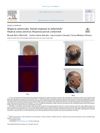
July 2019 in “Medicina Clínica (English Edition)” Tofacitinib partially improved hair regrowth in a patient with severe hair loss.
1 citations
,
November 2018 in “immuneACCESS” Expanded CD8+ T cells are linked to Alopecia Areata and may cause relapse after treatment.
 1 citations
,
April 2018 in “Journal of Investigative Dermatology”
1 citations
,
April 2018 in “Journal of Investigative Dermatology” Fzd2 is important for skin and hair development through various signaling ways.
 1 citations
,
May 2017 in “Journal of the American Academy of Dermatology”
1 citations
,
May 2017 in “Journal of the American Academy of Dermatology” Oral tofacitinib may be an effective and tolerable treatment for some people with severe alopecia areata.
 1 citations
,
October 2025 in “Cureus”
1 citations
,
October 2025 in “Cureus” Ritlecitinib may cause severe musculoskeletal pain in some alopecia universalis patients.