1 citations
,
February 2025 in “International Journal of Dermatology” Abrocitinib may effectively treat Lichen Planopilaris.
1 citations
,
January 2025 in “Genes & Diseases” Understanding T cells and signaling pathways can lead to better treatments for hair loss.
1 citations
,
December 2024 in “Indian Dermatology Online Journal” Biologics and small molecules can effectively treat inflammatory nail disorders, but personalized treatment plans are important.
 1 citations
,
October 2023 in “Dermatology and therapy”
1 citations
,
October 2023 in “Dermatology and therapy” Some treatments for severe hair loss work but often have side effects, with baricitinib showing the most promise.
 1 citations
,
June 2023 in “Genes”
1 citations
,
June 2023 in “Genes” Hair loss from Alopecia Areata is caused by both genes and environment, with several treatments available but challenges in cost and relapse remain.
 1 citations
,
May 2023 in “Prospects in Pharmaceutical Sciences”
1 citations
,
May 2023 in “Prospects in Pharmaceutical Sciences” New cytokine-targeted therapies show promise for treating alopecia areata.
 1 citations
,
March 2023 in “Clinical, Cosmetic and Investigational Dermatology”
1 citations
,
March 2023 in “Clinical, Cosmetic and Investigational Dermatology” Current treatments for Alopecia Areata have mixed success, and there's a need for better, more accessible options and support for affected individuals.
 1 citations
,
January 2023 in “Przegląd Dermatologiczny”
1 citations
,
January 2023 in “Przegląd Dermatologiczny” The Polish Society of Dermatology recommends treatments for alopecia areata that vary by severity, including topical and systemic medications, with long-term maintenance important for management.
 1 citations
,
February 2021 in “Farmacja Polska”
1 citations
,
February 2021 in “Farmacja Polska” Janus kinase inhibitors show promise in treating autoimmune skin diseases.
 1 citations
,
October 2020 in “Journal of Investigative Dermatology Symposium Proceedings”
1 citations
,
October 2020 in “Journal of Investigative Dermatology Symposium Proceedings” The summit concluded that new treatments like Jak inhibitors show promise for Alopecia Areata and personalized approaches are needed.
 1 citations
,
October 2018 in “InTech eBooks”
1 citations
,
October 2018 in “InTech eBooks” Only minoxidil and finasteride are FDA-approved for hair loss, with other treatments available but less effective or with side effects.
 1 citations
,
July 2018 in “Elsevier eBooks”
1 citations
,
July 2018 in “Elsevier eBooks” Alopecia Areata is an autoimmune hair loss condition, with various treatments showing mixed effectiveness and no guaranteed cure.
 1 citations
,
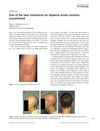
June 2018 in “International Journal of Dermatology”
1 citations
,
June 2018 in “International Journal of Dermatology” DNCB is highly effective for treating alopecia areata with minimal long-term side effects.
 1 citations
,
April 2018 in “The journal of investigative dermatology/Journal of investigative dermatology”
1 citations
,
April 2018 in “The journal of investigative dermatology/Journal of investigative dermatology” Oral tofacitinib significantly improves lichen planopilaris symptoms without adverse effects.
 1 citations
,
April 2018 in “Journal of Investigative Dermatology”
1 citations
,
April 2018 in “Journal of Investigative Dermatology” Tofacitinib helped most patients with alopecia areata regrow hair and changes in immune cells were linked to the treatment's effectiveness.
1 citations
,
October 2017 JAK inhibitors are effective for hair regrowth in severe alopecia areata.
 1 citations
,
May 2017 in “Journal of the American Academy of Dermatology”
1 citations
,
May 2017 in “Journal of the American Academy of Dermatology” Tofacitinib helped a teenager with severe hair loss grow hair back, but more research is needed.
1 citations
,
May 2017 in “InTech eBooks” New treatments focusing on immune pathways show promise for stubborn hair loss.
 1 citations
,
May 2017 in “InTech eBooks”
1 citations
,
May 2017 in “InTech eBooks” The document concludes that alopecia areata is an unpredictable autoimmune hair loss condition with no cure, but various treatments exist that require personalized approaches.
1 citations
,
May 2025 in “Journal of the European Academy of Dermatology and Venereology” Ritlecitinib and baricitinib are effective for alopecia areata, but more research is needed to determine which is better.
1 citations
,
April 2025 in “Skin Health and Disease” Combining delgocitinib ointment with excimer laser can effectively treat severe alopecia areata.
1 citations
,
March 2025 in “Skin Appendage Disorders” Baricitinib for alopecia areata may rarely cause eye issues like keratitis.
1 citations
,
November 2023 in “Skin Appendage Disorders” 308 nm excimer lamp therapy is effective for alopecia areata but less so for severe cases.
1 citations
,
April 2023 in “Portuguese Journal of Dermatology and Venereology” JAK inhibitors are effective treatments for alopecia areata.
 1 citations
,
September 2022 in “JAAD international”
1 citations
,
September 2022 in “JAAD international” Patients generally feel positive about alopecia areata treatments, but emotions vary by treatment type.
1 citations
,
January 2021 PRP is effective for treating patchy alopecia areata.
 1 citations
,
December 2017 in “The journal of investigative dermatology. Symposium proceedings/The Journal of investigative dermatology symposium proceedings”
1 citations
,
December 2017 in “The journal of investigative dermatology. Symposium proceedings/The Journal of investigative dermatology symposium proceedings” Treating alopecia areata is difficult due to limited approved treatments, but new therapies like JAK inhibitors show promise.
 1 citations
,
January 2017 in “Springer eBooks”
1 citations
,
January 2017 in “Springer eBooks” Understanding the immune-related causes of Alopecia Areata has led to potential treatments like JAK inhibitors.
1 citations
,
November 2016 in “Saengmyeong gwahag hoeji/Saengmyeong gwahak hoeji” New treatments for the autoimmune hair loss condition alopecia areata may include JAK inhibitors and other immunomodulators.
August 2026 in “Canadian Journal of Health Technologies” Litfulo is recommended for treating severe alopecia areata in people 12 and older, as it helps hair regrowth.