23 citations
,
October 2020 in “Anais brasileiros de dermatologia/Anais Brasileiros de Dermatologia” Tailored treatments for alopecia areata are recommended based on severity and patient needs.
15 citations
,
April 2024 in “Animals” Inner Mongolia cashmere goats have the lowest inbreeding, aiding future breeding and conservation.
15 citations
,
December 2021 in “Pharmaceutics” The study found key factors in the cause of hidradenitis suppurativa, its link to other diseases, and identified existing drugs that could potentially treat it.
15 citations
,
February 2021 in “Frontiers in immunology” Leptin, a hormone from fat cells, affects immune responses and can influence skin diseases and hair growth.
6 citations
,
November 2024 in “Frontiers in Immunology” Targeting autophagy can help treat skin disorders like vitiligo and atopic dermatitis.
3 citations
,
May 2025 in “Stem Cell Research & Therapy” Stem cell therapy from umbilical cords may help treat atopic dermatitis.
3 citations
,
September 2023 in “Genes” Dkk genes evolved faster in birds and reptiles, affecting hair development functions.
 2 citations
,
February 2025 in “International Journal of Molecular Sciences”
2 citations
,
February 2025 in “International Journal of Molecular Sciences” Key proteins and pathways regulate yak hair growth, with lipid metabolism aiding adaptation to high altitudes.
 2 citations
,
November 2022 in “Journal of Biochemistry and Molecular Biology”
2 citations
,
November 2022 in “Journal of Biochemistry and Molecular Biology” Aging changes hair stem cells and their environment, leading to gray hair and hair thinning, but understanding these changes could help develop treatments for hair regeneration.
 1 citations
,
June 2023 in “Genes”
1 citations
,
June 2023 in “Genes” Hair loss from Alopecia Areata is caused by both genes and environment, with several treatments available but challenges in cost and relapse remain.
 March 2026 in “Biomedicines”
 New treatments like biologics and JAK inhibitors show promise for severe scalp inflammation when traditional methods fail.
 February 2026 in “Stem Cell Research & Therapy”
 Stem cell therapies show promise for hair regrowth in alopecia areata but need more research for safety and effectiveness.
 December 2025 in “International Journal of Innovative Technologies in Social Science”
 Oral JAK inhibitors effectively treat alopecia areata and are generally well-tolerated.
November 2025 in “Biomedicines” Targeting pyroptosis may offer new treatments for alopecia areata, but more research is needed.
November 2025 in “Journal of Medicinal Chemistry” Topical PROTACs show promise for treating skin conditions but need better stability and delivery methods.
September 2025 in “Frontiers in Immunology” Atopic dermatitis and alopecia areata share immune and genetic factors, and targeted therapies may help both.
March 2025 in “Journal of Clinical Medicine” Iron chelators can effectively reduce hair loss and improve hair growth in autoimmune alopecia.
January 2025 in “Archives of Dermatological Research” Moracin M helps hair grow by activating specific pathways and improving blood vessel formation.
 January 2025 in “Clinical Cosmetic and Investigational Dermatology”
 Pediatric alopecia areata is more immune-active than adult cases, suggesting age-specific treatments and potential use of JAK inhibitors.
 August 2024 in “Journal of Clinical Medicine”
 Systemic treatments like hydroxychloroquine and cyclosporine A help with Lichen Planopilaris and Frontal Fibrosing Alopecia, but ongoing treatment is needed.
 May 2024 in “Journal of cosmetic dermatology”
 Tofacitinib is an effective and safe treatment for alopecia areata.

Different stem cells are key for hair growth and health, and understanding their regulation could help treat hair loss.
Four natural compounds were found to promote hair growth effectively.
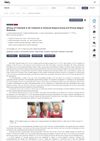
Tofacitinib may effectively treat hair loss and improve symptoms in autoimmune conditions like alopecia areata and Sjögren's syndrome, but long-term treatment might be necessary.
August 2022 in “Journal of Investigative Dermatology” Baricitinib reduces inflammation and mitochondrial damage in skin cells.
January 2022 in “Stem cell biology and regenerative medicine” Improving dermal papilla cells can help regenerate hair follicles.
46 citations
,
October 2018 in “JCI insight” CD8+ T cells are involved in alopecia areata and may cause disease relapse.
 July 2025 in “Frontiers in Medicine”
 Baricitinib successfully regrew hair in an 8-year-old boy with alopecia totalis linked to a KRT74 gene variant.
91 citations
,
May 2023 in “Journal of Cutaneous Medicine and Surgery” Alopecia Areata affects 2% globally, with treatments like essential oils, garlic, and JAK inhibitors showing promise, but more research is needed.
57 citations
,
August 2023 in “American Journal of Clinical Dermatology” JAK inhibitors and platelet-rich plasma show promise for treating alopecia areata.