November 2025 in “Biomedicines” Targeting pyroptosis may offer new treatments for alopecia areata, but more research is needed.
November 2025 in “Journal of Medicinal Chemistry” Topical PROTACs show promise for treating skin conditions but need better stability and delivery methods.
Polygonum multiflorum, especially emodin, may help treat hair loss by targeting specific proteins, offering a new approach beyond traditional therapies.
November 2025 in “Biomedicines” JAK1 inhibitors can help reduce itchiness in atopic dermatitis.
August 2025 in “Animal nutrition” α-Ketoglutaric acid improves hair growth, rabbit performance, and antioxidant levels.
 July 2025 in “Frontiers in Medicine”
 Baricitinib successfully regrew hair in an 8-year-old boy with alopecia totalis linked to a KRT74 gene variant.
 April 2025 in “Frontiers in Immunology”
 Tofacitinib effectively regrows hair in alopecia areata but may need continuous use.
March 2025 in “Journal of Clinical Medicine” Iron chelators can effectively reduce hair loss and improve hair growth in autoimmune alopecia.
 March 2025 in “Molecular Medicine”
 Cholesterol helps hair grow by activating nerves and boosting hair follicle stem cells.
 January 2025 in “Frontiers in Medicine”
 Hair follicles are key to treating vitiligo and alopecia areata, but challenges exist.
 January 2024 in “Journal of Biosciences and Medicines”
 Future treatments for androgenic alopecia may focus on reactivating hair follicle stem cells and improving drug delivery.
 November 2023 in “Cell Proliferation”
 A protein from fat-derived stem cells, DKK1, is linked to hair loss and blocking it may help treat alopecia areata.
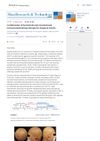 July 2023 in “Skin Research and Technology”
 Baricitinib combined with other immune therapies may safely and effectively treat severe scalp hair loss.
 May 2024 in “Journal of cosmetic dermatology”
 Tofacitinib is an effective and safe treatment for alopecia areata.
36 citations
,
December 2021 in “The journal of allergy and clinical immunology/Journal of allergy and clinical immunology/The journal of allergy and clinical immunology” Two drugs, ritlecitinib and brepocitinib, improved scalp hair loss condition markers.
 September 2025 in “Australasian Journal of Dermatology”
 New medications could improve treatment for severe alopecia areata in Australia.
6 citations
,
November 2020 in “JAAD Case Reports” Tofacitinib may help treat both alopecia areata and inflammatory bowel disease.
4 citations
,
January 2025 in “Dermatologica Sinica” Experts recommend personalized treatment plans for alopecia areata, using corticosteroids and minoxidil for mild cases, and stronger medications for severe cases.
2 citations
,
February 2024 in “Indian Dermatology Online Journal” Tofacitinib effectively improved hair regrowth and skin condition in a woman with alopecia totalis and lichen planus hypertrophicus.
 December 2024 in “Frontiers in Pediatrics”
 Baricitinib improved platelet counts and alopecia in a 16-year-old with chronic immune thrombocytopenia.
 August 2024 in “EMJ Dermatology”
 Non-scarring alopecia in females affects emotional well-being and requires accurate diagnosis and personalized treatment.
 April 2024 in “JEADV clinical practice”
 Upadacitinib significantly improved both rheumatoid arthritis and alopecia areata in a patient.
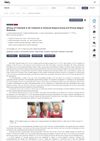
Tofacitinib may effectively treat hair loss and improve symptoms in autoimmune conditions like alopecia areata and Sjögren's syndrome, but long-term treatment might be necessary.
July 2021 in “Journal of dermatology & dermatologic surgery” IMTA can help regrow hair in severe alopecia areata when JAK inhibitors don't work well.
 August 2024 in “Journal of Clinical Medicine”
 Systemic treatments like hydroxychloroquine and cyclosporine A help with Lichen Planopilaris and Frontal Fibrosing Alopecia, but ongoing treatment is needed.
1 citations
,
October 2017 JAK inhibitors are effective for hair regrowth in severe alopecia areata.
 4 citations
,
January 2023 in “The journal of allergy and clinical immunology/Journal of allergy and clinical immunology/The journal of allergy and clinical immunology”
4 citations
,
January 2023 in “The journal of allergy and clinical immunology/Journal of allergy and clinical immunology/The journal of allergy and clinical immunology” Biologics, especially Dupilumab, are effective and safe for treating severe childhood eczema.
August 2025 in “Biomolecules” Fibroblast growth factors could be a better, safer treatment for hair loss than current options.
 June 2025 in “Dermatopathology”
 Dupilumab and COVID-19 can worsen or trigger psoriasis.
76 citations
,
January 2022 in “Journal of Tissue Engineering” Microneedle patches could replace injections but need more development for better use in medicine.