 January 2024 in “Wiadomości Lekarskie”
 CAR-T therapy offers hope for children with hard-to-treat blood cancers.
 January 2024 in “Wiadomości Lekarskie”
 AI is advancing in dermatology and cosmetology, raising questions about its potential and trustworthiness.
 January 2024 in “Wiadomości Lekarskie”
 Autologous fat grafting for facial regeneration is widely used but lacks evidence on the best methods.
 January 2024 in “Wiadomości Lekarskie”
 Thyroid disorders, especially autoimmune ones, are very common in the studied group.
 January 2024 in “Wiadomości Lekarskie”
 Using Decamethoxine and Blastomunil together speeds up wound healing.
 January 2024 in “Wiadomości Lekarskie”
 A multidisciplinary approach is crucial for managing Silver-Russell syndrome effectively.
 January 2024 in “Wiadomości Lekarskie”
 Rhabdomyosarcoma is the most common head and neck cancer in children, requiring complex treatment.
 January 2024 in “Wiadomości Lekarskie”
 Comprehensive treatment improved hearing in 89.7% of soldiers with blast-induced hearing loss.
 55 citations
,
October 2019 in “Dermatology and therapy”
55 citations
,
October 2019 in “Dermatology and therapy” Drugs targeting the JAK/STAT pathway can improve atopic dermatitis but vary in effectiveness for vitiligo and alopecia areata, with generally mild safety concerns.
 April 2023 in “Research Society and Development”
 Corticosteroids are safe and effective for treating Alopecia Areata.
 101 citations
,
March 2019 in “Cell Stem Cell”
101 citations
,
March 2019 in “Cell Stem Cell” Certain immune cells in the skin release a protein that stops hair growth by keeping hair stem cells inactive.
January 2025 in “The Journal of Dermatology” Patients prefer the higher 50 mg dose of ritlecitinib for better hair regrowth despite higher risks.
 11 citations
,
January 2020 in “Dermatologica Sinica”
11 citations
,
January 2020 in “Dermatologica Sinica” Tofacitinib helps regrow hair in severe alopecia patients, but more research is needed.
 9 citations
,
January 2020 in “Skin appendage disorders”
9 citations
,
January 2020 in “Skin appendage disorders” Hair loss from conditions like LPP and FFA can potentially be reversed with the right treatment.
 January 2021 in “Our Dermatology Online”
 Oral tofacitinib successfully treated total body hair loss in one patient.
March 2025 in “NATIONS UNIVERSITY INTERNATIONAL JOURNAL OF MULTI-DISCIPLINARY STUDIES” Baricitinib effectively improved skin and hair conditions in a patient with alopecia areata and atopic dermatitis.
36 citations
,
December 2021 in “The journal of allergy and clinical immunology/Journal of allergy and clinical immunology/The journal of allergy and clinical immunology” Two drugs, ritlecitinib and brepocitinib, improved scalp hair loss condition markers.
 24 citations
,
January 2018 in “International Journal of Trichology”
24 citations
,
January 2018 in “International Journal of Trichology” Tofacitinib helped regrow hair in patients with alopecia, with few side effects.
 1 citations
,
October 2021 in “Bőrgyógyászati és Venerológiai Szemle”
1 citations
,
October 2021 in “Bőrgyógyászati és Venerológiai Szemle” New treatments for severe alopecia areata show promise but lack standard approval.
 2 citations
,
September 2022 in “Dermatologic Therapy”
2 citations
,
September 2022 in “Dermatologic Therapy” Tofacitinib is a promising treatment for severe alopecia areata, with many patients experiencing complete or partial hair regrowth.
 38 citations
,
January 2019 in “International Journal of Women's Dermatology”
38 citations
,
January 2019 in “International Journal of Women's Dermatology” The document concluded that more research is needed to find the best treatment for Frontal fibrosing alopecia.
20 citations
,
June 2019 in “JAAD Case Reports” Tofacitinib can cause skin eruptions similar to palmoplantar pustulosis.
 May 2026 in “Journal of Neurosciences in Rural Practice”
 Tofacitinib may cause nerve damage in the brain, so monitor for neurological symptoms.
 September 2024 in “Journal of the American Academy of Dermatology”
 Baricitinib 4 mg is effective and safe for treating severe alopecia areata.

New insights into cell communication in psoriasis suggest innovative drug treatments.
 January 2024 in “Journal of Clinical Images and Medical Case Reports”
 Baricitinib may help treat frontal fibrosing alopecia and facial papules.
 January 2024 in “Dermatologic therapy”
 Tofacitinib is a safe treatment for hair loss in children, but long-term use may be needed for best results.
 February 2026 in “Biomedicines”
 Off-label treatments are heavily used for alopecia areata due to limited approved options.
 8 citations
,
June 2022 in “Frontiers in Medicine”
8 citations
,
June 2022 in “Frontiers in Medicine” Both individual and combined treatments of tofacitinib and corticosteroids can help regrow hair in moderate-to-severe alopecia areata, but ongoing treatment may be necessary.
 1 citations
,
January 2023 in “SAGE open medical case reports”
1 citations
,
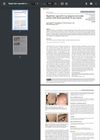
January 2023 in “SAGE open medical case reports” A new treatment called deucravacitinib helped a patient with severe hair loss grow their hair back quickly.