33 citations
,
January 2018 in “Blood” Ruxolitinib helps protect skin stem cells and keeps skin healthy in mice with skin GVHD.
45 citations
,
May 2024 in “International Journal of Molecular Sciences” Alopecia areata is caused by immune attacks on hair follicles, affecting hair growth and quality of life.
 March 2018 in “Suez Canal University Medical Journal”
 New drugs targeting the JAK-STAT pathway show promise for treating inflammatory skin diseases.
 2 citations
,
June 2023 in “Indian journal of dermatology, venereology, and leprology”
2 citations
,
June 2023 in “Indian journal of dermatology, venereology, and leprology” Janus kinase inhibitors can regrow hair in alopecia areata but may cause side effects and hair loss may return if treatment stops.
 10 citations
,
January 2023 in “Acta dermato-venereologica”
10 citations
,
January 2023 in “Acta dermato-venereologica” Baricitinib and deuruxolitinib are effective for treating alopecia areata, but their efficacy depends on the dose.
 March 2026 in “Clinical Cosmetic and Investigational Dermatology”
 Upadacitinib improved multiple immune-related conditions in one patient.
 April 2024 in “Liječnički vjesnik”
 Modern treatments can effectively regrow hair and improve life for people with alopecia areata.
 1 citations
,
May 2017 in “Journal of the American Academy of Dermatology”
1 citations
,
May 2017 in “Journal of the American Academy of Dermatology” Tofacitinib helped a teenager with severe hair loss grow hair back, but more research is needed.
16 citations
,
August 2023 in “JAAD Case Reports” JAK inhibitors, like ruxolitinib, may effectively treat frontal fibrosing alopecia.
5 citations
,
October 2024 in “Reumatismo” Upadacitinib significantly improved alopecia universalis and psoriatic arthritis in a patient.
 1 citations
,
September 2023 in “Journal of the American Academy of Dermatology”
1 citations
,
September 2023 in “Journal of the American Academy of Dermatology” Baricitinib significantly improves hair regrowth in severe alopecia areata.
 July 2022 in “Journal of Investigative Dermatology”
 IL-15 helps maintain hair growth and protects the immune status of hair follicles.
 April 2023 in “The journal of investigative dermatology/Journal of investigative dermatology”
 JAK inhibitors help hair growth by boosting beta-catenin activity in hair root cells.
5 citations
,
December 2024 in “Anais Brasileiros de Dermatologia” Treat alopecia areata with personalized plans, using corticosteroids for mild cases and Janus Kinase inhibitors for severe cases, while also offering psychological support.
 January 2026 in “Dermatology Reports”
 Upadacitinib improved symptoms and hair regrowth in a teen with multiple autoimmune conditions.
 January 2024 in “Wiadomości Lekarskie”
 Recognize Polish academic titles as proof of language proficiency for foreign-trained doctors.
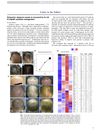 68 citations
,
November 2015 in “The Journal of Allergy and Clinical Immunology”
68 citations
,
November 2015 in “The Journal of Allergy and Clinical Immunology” Blocking IL-12/IL-23p40 helped reverse severe hair loss in patients.
 December 2017 in “The journal of investigative dermatology. Symposium proceedings/The Journal of investigative dermatology symposium proceedings”
 The summit aimed to speed up finding treatments for alopecia areata.
 176 citations
,
August 2015 in “The journal of allergy and clinical immunology/Journal of allergy and clinical immunology/The journal of allergy and clinical immunology”
176 citations
,
August 2015 in “The journal of allergy and clinical immunology/Journal of allergy and clinical immunology/The journal of allergy and clinical immunology” Alopecia areata involves immune activation in the scalp, suggesting treatments targeting TH1, TH2, and IL-23 pathways.
New treatments for skin conditions show promise, especially Coacillium® for hair growth in young people with alopecia areata.
 32 citations
,
April 2019 in “JAAD case reports”
32 citations
,
April 2019 in “JAAD case reports” JAK inhibitors helped treat hair loss in two people with Down syndrome.
 7 citations
,
February 2021 in “Dermatologic Therapy”
7 citations
,
February 2021 in “Dermatologic Therapy” Sebaceous glands are involved in various skin disorders, some treatable with medications like finasteride and minoxidil.
 3 citations
,
April 2016 in “Journal of Investigative Dermatology”
3 citations
,
April 2016 in “Journal of Investigative Dermatology” Tofacitinib, a JAK inhibitor, improved hair regrowth in most patients with severe alopecia areata and had minimal side effects.
 March 2021 in “bioRxiv (Cold Spring Harbor Laboratory)”
 A specific immune response helps control mite populations on the skin, maintaining healthy hair follicles.
 25 citations
,
April 2019 in “Journal of The American Academy of Dermatology”
25 citations
,
April 2019 in “Journal of The American Academy of Dermatology” Using 2% tofacitinib cream with narrowband ultraviolet B improved facial vitiligo by 70% in patients who didn't respond to previous treatments, with no side effects reported.
 1 citations
,
August 2016 in “Journal of Investigative Dermatology”
1 citations
,
August 2016 in “Journal of Investigative Dermatology” Activating STAT5 in the skin's dermal papilla is key for starting hair growth, regenerating hair follicles, and healing wounds.
 August 2016 in “Journal of Investigative Dermatology”
 The enzyme CD73 helps control human hair growth and could be targeted to treat hair growth disorders.
 August 2016 in “Journal of Investigative Dermatology”
 Blocking the CCR5 receptor may be a new way to treat hair loss from alopecia areata.
 August 2016 in “Journal of Investigative Dermatology”
 Human hair follicles have a scent receptor that can influence hair growth.
 February 2016 in “The journal of investigative dermatology/Journal of investigative dermatology”
 JAK inhibitors may help treat alopecia areata by reversing hair loss.