25 citations
,
March 2017 in “International Journal of Dermatology” Ruxolitinib effectively and safely regrows hair in alopecia patients.
16 citations
,
August 2023 in “JAAD Case Reports” JAK inhibitors, like ruxolitinib, may effectively treat frontal fibrosing alopecia.
 4 citations
,
September 2022 in “Journal of The American Academy of Dermatology”
4 citations
,
September 2022 in “Journal of The American Academy of Dermatology” Baricitinib was effective in regrowing hair in patients with different levels of alopecia areata severity.
 1 citations
,
February 2024 in “JEADV. Journal of the European Academy of Dermatology and Venereology/Journal of the European Academy of Dermatology and Venereology”
1 citations
,
February 2024 in “JEADV. Journal of the European Academy of Dermatology and Venereology/Journal of the European Academy of Dermatology and Venereology” Baricitinib effectively promotes long-term hair regrowth in alopecia areata patients.
 1 citations
,
September 2022 in “Journal of The American Academy of Dermatology”
1 citations
,
September 2022 in “Journal of The American Academy of Dermatology” Baricitinib helps grow eyebrows and eyelashes in severe alopecia areata patients.
 1 citations
,
September 2023 in “Dermatology and Therapy”
1 citations
,
September 2023 in “Dermatology and Therapy” Baricitinib helps improve hair growth in severe alopecia, with better results in less severe cases and higher doses working faster.
 1 citations
,
September 2023 in “Journal of the American Academy of Dermatology”
1 citations
,
September 2023 in “Journal of the American Academy of Dermatology” Baricitinib significantly improves hair regrowth in severe alopecia areata.
 June 2023 in “British Journal of Dermatology”
 Baricitinib was effective in treating severe and very severe alopecia areata after 52 weeks.
 September 2022 in “Journal of The American Academy of Dermatology”
 Baricitinib was effective in regrowing eyebrow and eyelash hair in patients with severe alopecia areata.

Baricitinib quickly improved severe alopecia areata, with almost total hair regrowth in three months.
September 2023 in “Journal of the American Academy of Dermatology” CTP-543 is generally safe for treating alopecia areata.
 September 2022 in “Plastic and Reconstructive Surgery”
 Baricitinib helps with severe hair loss, negative-pressure therapy lowers hernia recurrence, tranexamic acid reduces bleeding, robot-assisted breast surgery may improve outcomes, and acellular dermal matrix could decrease breast reconstruction complications.
 157 citations
,
December 2015 in “Journal of the American Academy of Dermatology”
157 citations
,
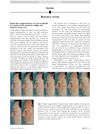
December 2015 in “Journal of the American Academy of Dermatology” A man with vitiligo and alopecia saw quick skin and hair improvement with ruxolitinib, but skin color gains were lost after stopping treatment.
8 citations
,
January 2023 in “Indian Dermatology Online Journal” Baricitinib effectively treats certain skin conditions but may have serious side effects.
 2 citations
,
March 2022 in “Journal of Personalized Medicine”
2 citations
,
March 2022 in “Journal of Personalized Medicine” Personalized medicine is important for treating skin disorders, with new treatments and connections to hormones and genetics being explored.
Alopecia Areata has no cure, treatments are limited, and the condition often recurs, but new therapies like JAK inhibitors show promise.
 25 citations
,
November 2022 in “British journal of dermatology/British journal of dermatology, Supplement”
25 citations
,
November 2022 in “British journal of dermatology/British journal of dermatology, Supplement” Baricitinib for severe alopecia areata is generally safe, with common side effects like infections and acne, and low rates of serious complications.
 1 citations
,
August 2021 in “Journal of The American Academy of Dermatology”
1 citations
,
August 2021 in “Journal of The American Academy of Dermatology” Baricitinib helped improve hair, eyebrow, and eyelash growth in alopecia areata patients.
 May 2026 in “SKIN The Journal of Cutaneous Medicine”
 Baricitinib may cause low blood sugar in some patients, so careful monitoring is needed.
September 2023 in “Journal of the American Academy of Dermatology” CTP-543 significantly improved eyebrow and eyelash regrowth and patient satisfaction in adults with alopecia areata.
63 citations
,
July 2024 in “Journal of the American Academy of Dermatology” Deuruxolitinib effectively promotes hair regrowth in adults with alopecia areata.
April 2012 in “Cancer Research” Stat3 influences keratinocyte stem cell behavior, affecting differentiation and migration.
172 citations
,
July 2007 in “Journal of Dermatological Science” Stat3 helps skin heal but can also cause skin diseases if overactive.
January 2012 in “DigtalCommons @ Texas Medical Center Library (Texas Medical Center)” Stat3 affects skin cancer development by altering keratinocyte stem cell behavior.
23 citations
,
September 2013 in “Molecular Carcinogenesis” Increased Stat3 activity reduces hair follicle stem cells and boosts other stem/progenitor cells.
January 2022 in “Skin Pharmacology and Physiology” Higher STAT3 levels are found in hair loss areas, but not linked to hair loss severity.
June 2026 in “Frontiers in Immunology” JAK inhibitors effectively treat inflammatory skin diseases by targeting specific cytokine signals.
April 2010 in “Cancer Research” Stat3 activation increases hair follicle progenitors but reduces bulge region stem cells.
 February 2025 in “PubMed”
 CS12192 effectively treats alopecia areata with better safety than current options.
 April 2017 in “Journal of Investigative Dermatology”
 Blocking JAK-STAT5 signaling in mice leads to hair growth.