8 citations
,
July 2024 in “Children” Biologics and targeted therapies could improve treatment for children with certain chronic skin conditions.
Ritlecitinib improves hair regrowth in alopecia areata without increasing adverse risks.
4 citations
,
July 2023 in “Nature Medicine” The FDA approved a new Pfizer drug for hair loss in teens.
February 2026 in “International Journal of Dermatology” Ritlecitinib shows promise in improving hair regrowth in adolescents with alopecia areata.
September 2025 in “Journal of the American Academy of Dermatology” Ritlecitinib may help treat alopecia areata by protecting hair follicles.
1 citations
,
September 2023 in “Journal of the American Academy of Dermatology” Continued ritlecitinib treatment can lead to hair regrowth in some patients with alopecia areata who initially don't respond.
1 citations
,
September 2023 in “Journal of the American Academy of Dermatology” Ritlecitinib effectively regrows and maintains scalp, eyebrow, and eyelash hair in alopecia areata patients.
 December 2024 in “Clinical and Experimental Dermatology”
 Switching to ritlecitinib improves hair regrowth and well-being in severe alopecia areata patients.
 September 2023 in “Medicina Estética Revista Científica de la Sociedad Española de Medicina Estética (SEME)”
 The FDA approved Litfulo® for treating severe alopecia areata in people aged 12 and older.
November 2025 in “Journal of Investigative Dermatology” Ritlecitinib effectively treats severe Alopecia Areata by reducing harmful immune activity in the skin.
 December 2023 in “Journal of Ayub Medical College Abbottabad”
 Ritlecitinib effectively treats alopecia areata in patients 12 and older with fewer side effects.
Ritlecitinib can reduce inflammation and help hair regrow in Alopecia Areata.
 February 2026 in “Dove Medical Press (Taylor and Francis Group)”
 Upadacitinib can effectively regrow hair in alopecia areata patients without worsening sarcoidosis.
 December 2022 in “Revista Medicina Cutánea Ibero-Latino-Americana”
 JAK inhibitors help treat alopecia areata but have high recurrence after stopping.
 3 citations
,
August 2024 in “Cureus”
3 citations
,
August 2024 in “Cureus” Upadacitinib may cause hair loss.
 1 citations
,
December 2022 in “The Nishinihon Journal of Dermatology”
1 citations
,
December 2022 in “The Nishinihon Journal of Dermatology” Baricitinib is an effective treatment for severe alopecia areata.

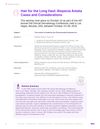
Frontal fibrosing alopecia can be managed with personalized combination therapies, but no cure exists yet.
 December 2025 in “Dermatology The American Medical Journal”
 JAK inhibitors are effective for long-term management of alopecia areata.
July 2024 in “Journal of Investigative Dermatology” JAK inhibitors improve hair growth in alopecia areata, especially in patchy types.
 May 2024 in “Pigment International”
 Several treatments are effective for pigmentary disorders like vitiligo and melasma.
February 2025 in “JDDG Journal der Deutschen Dermatologischen Gesellschaft” Deucravacitinib helped a man regrow hair and improve psoriasis.
 February 2026 in “Biomedicines”
 Off-label treatments are heavily used for alopecia areata due to limited approved options.
7 citations
,
November 2023 in “JAAD Case Reports” Baricitinib helped regrow hair in patients with severe alopecia areata after other treatments failed.
 7 citations
,
August 2023 in “Journal of the American Academy of Dermatology”
7 citations
,
August 2023 in “Journal of the American Academy of Dermatology” JAK inhibitors offer new hope for treating severe alopecia areata.
 4 citations
,
January 2023 in “Skin health and disease”
4 citations
,
January 2023 in “Skin health and disease” Blocking Janus kinase 1 helps stop inflammation and regrow hair, making it a good treatment for hair loss from alopecia areata.
2 citations
,
September 2024 in “Journal of the American Academy of Dermatology” Deuruxolitinib significantly helps regrow scalp hair in adults with moderate to severe alopecia areata.
 October 2025 in “Dermatologica Sinica”
 A personalized treatment combining traditional and new therapies may improve hair loss outcomes in alopecia areata.
 October 2025 in “Pharmaceutics”
 Microneedles improve drug delivery for skin diseases, enhancing treatment effectiveness and patient compliance.
 May 2025 in “Journal of Inflammation Research”
 Natural killer and CD8+ T cells play a key role in hair loss in androgenetic alopecia.
 4 citations
,
January 2024 in “JEADV. Journal of the European Academy of Dermatology and Venereology/Journal of the European Academy of Dermatology and Venereology”
4 citations
,
January 2024 in “JEADV. Journal of the European Academy of Dermatology and Venereology/Journal of the European Academy of Dermatology and Venereology” Baricitinib and ritlecitinib are recommended for severe alopecia areata, with other treatments available off-label.