Ritlecitinib significantly regrows scalp hair in people with alopecia areata.
 September 2023 in “Medicina Estética Revista Científica de la Sociedad Española de Medicina Estética (SEME)”
 The FDA approved Litfulo® for treating severe alopecia areata in people aged 12 and older.
 November 2020 in “Dubai medical journal”
 Tofacitinib may effectively regrow hair in alopecia totalis patients.
46 citations
,
October 2018 in “JCI insight” CD8+ T cells are involved in alopecia areata and may cause disease relapse.
26 citations
,
October 2016 in “American journal of clinical dermatology” New treatments like JAK inhibitors show promise for reversing alopecia areata.
 16 citations
,
January 2017 in “Acta dermatovenerologica Alpina, Pannonica et Adriatica (Tiskana izd.)”
16 citations
,
January 2017 in “Acta dermatovenerologica Alpina, Pannonica et Adriatica (Tiskana izd.)” A patient with complete hair loss regrew all her hair using tofacitinib.
11 citations
,
February 2022 in “JAAD case reports” Abrocitinib, a JAK inhibitor, may help treat atopic dermatitis and alopecia universalis together.
 3 citations
,
January 2015 in “Nasza Dermatologia Online”
3 citations
,
January 2015 in “Nasza Dermatologia Online” Some treatments for autoimmune hair loss work, but JAK inhibitors like tofacitinib are promising for regrowth.
July 2024 in “Journal of Investigative Dermatology” Tailored treatments for alopecia areata show promising results, with pulse steroids effective for mild cases and Ritlecitinib, Dupilumab, or methotrexate and prednisone effective for severe cases.

Alopecia Areata has no cure, treatments are limited, and the condition often recurs, but new therapies like JAK inhibitors show promise.
4 citations
,
March 2025 in “The Journal of Dermatology” Ritlecitinib is effective and safe for hair regrowth in Asian patients with alopecia areata.
September 2025 in “International Journal of Molecular Sciences” International guidelines for treating alopecia areata vary, focusing on different treatment options and related health issues.
January 2025 in “Clinical and Experimental Vaccine Research” A woman experienced total hair loss after an HPV vaccine, but treatment helped regrow her hair.
 16 citations
,
January 2016 in “Journal of Investigative Dermatology”
16 citations
,
January 2016 in “Journal of Investigative Dermatology” Mice without the IL-6 gene had more hair growth after injury due to higher activity of a related protein, Stat3.
172 citations
,
July 2007 in “Journal of Dermatological Science” Stat3 helps skin heal but can also cause skin diseases if overactive.
April 2012 in “Cancer Research” Stat3 influences keratinocyte stem cell behavior, affecting differentiation and migration.
23 citations
,
September 2013 in “Molecular Carcinogenesis” Increased Stat3 activity reduces hair follicle stem cells and boosts other stem/progenitor cells.
January 2012 in “DigtalCommons @ Texas Medical Center Library (Texas Medical Center)” Stat3 affects skin cancer development by altering keratinocyte stem cell behavior.
1 citations
,
May 2015 in “Experimental Dermatology” Overactive Stat3 in mouse skin causes hair loss and cell structure damage.
 11 citations
,
November 2015 in “Experimental Dermatology”
11 citations
,
November 2015 in “Experimental Dermatology” The conclusion is that the IL-6/STAT3 activation affects p63 expression in healing wounds, which may help in hair follicle regeneration.
January 2022 in “Skin Pharmacology and Physiology” Higher STAT3 levels are found in hair loss areas, but not linked to hair loss severity.
17 citations
,
November 2001 in “Journal of Investigative Dermatology Symposium Proceedings” Stat3 is essential for hair growth and wound healing.
 3 citations
,
September 2024 in “Dermatology and Therapy”
3 citations
,
September 2024 in “Dermatology and Therapy” Previous alopecia areata treatments do not affect the long-term effectiveness of ritlecitinib.
 March 2026 in “American Journal of Clinical Dermatology”
 Ritlecitinib is effective and safe for long-term use in treating severe alopecia areata in people aged 12 and older.
 January 2026 in “Dermatology and Therapy”
 This study assessed the immune responses to tetanus and meningococcal vaccines in 17 patients with alopecia areata undergoing ritlecitinib therapy. Results showed that 62.5% of participants had a tetanus booster response, with all achieving protective anti-tetanus antibody levels. For the meningococcal vaccine, 20% and 40% of participants reached specific antibody titers for serogroup C. The vaccines were well tolerated, with no adverse events reported. However, the small sample size limits the conclusions, and further research with larger populations is needed.
 January 2024 in “Journal of Crohn's and colitis”
 Janus Kinase inhibitors are effective and have an acceptable safety profile for treating moderate to severe Ulcerative Colitis.
April 2010 in “Cancer Research” Stat3 activation increases hair follicle progenitors but reduces bulge region stem cells.
 3 citations
,
April 2016 in “Journal of Investigative Dermatology”
3 citations
,
April 2016 in “Journal of Investigative Dermatology” Tofacitinib, a JAK inhibitor, improved hair regrowth in most patients with severe alopecia areata and had minimal side effects.
 1 citations
,
July 2025 in “SKIN The Journal of Cutaneous Medicine”
1 citations
,
July 2025 in “SKIN The Journal of Cutaneous Medicine” Ritlecitinib is effective and safe for long-term treatment of alopecia areata.
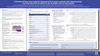 March 2025 in “SKIN The Journal of Cutaneous Medicine”
 Certain patient characteristics can help predict hair regrowth success with ritlecitinib in alopecia areata.