4 citations
,
November 2023 in “SKIN The Journal of Cutaneous Medicine” Ritlecitinib is safe for treating alopecia areata for up to 48 weeks.
June 2022 in “Mayo Clinic Proceedings” The man was diagnosed with stage III multiple myeloma and treated to improve kidney function.
16 citations
,
January 2013 in “Pediatric Gastroenterology Hepatology & Nutrition” Azathioprine caused side effects in over half of the Korean pediatric inflammatory bowel disease patients, requiring close monitoring.
March 2026 in “SKIN The Journal of Cutaneous Medicine” Ritlecitinib is being tested for safety and effectiveness in young children with severe alopecia areata.
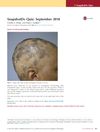 August 2018 in “Journal of Investigative Dermatology”
 Tofacitinib may help regrow hair in alopecia areata patients.
 66 citations
,
December 2018 in “Dermatology”
66 citations
,
December 2018 in “Dermatology” Both ruxolitinib and tofacitinib are effective and safe for treating severe alopecia areata, but relapses are common.
July 2024 in “Journal of Investigative Dermatology” 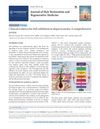
JAK inhibitors effectively regrow hair in alopecia areata but hair loss often returns after stopping treatment.
 February 2024 in “PloS one”
 Tofacitinib and adalimumab are promising treatments for cicatricial alopecia with few side effects.
16 citations
,
March 2017 in “Oncotarget” SOCS3 treatment can prevent hair loss by stopping harmful immune responses.
 August 2025 in “International Journal of Women’s Dermatology”
 Stopping and restarting JAK inhibitors during pregnancy in women with alopecia areata leads to hair loss and regrowth, with most pregnancies resulting in healthy babies.
 April 2023 in “The journal of investigative dermatology/Journal of investigative dermatology”
 Removing certain immune cells in mice causes their hair to enter the growth phase earlier than usual.
20 citations
,
March 2014 in “Molecular Endocrinology” NFIB and STAT5 work together to control specific genetic programs in cells.
 3 citations
,
April 2016 in “Journal of Investigative Dermatology”
3 citations
,
April 2016 in “Journal of Investigative Dermatology” Tofacitinib, a JAK inhibitor, improved hair regrowth in most patients with severe alopecia areata and had minimal side effects.
 March 2026 in “Indian Journal of Dermatology”
 Baricitinib can cause excessive hair growth.
 3 citations
,
February 2022 in “Rheumatology”
3 citations
,
February 2022 in “Rheumatology” Baricitinib was effective in treating a patient with dermatomyositis and hair loss.
October 2025 in “Postgraduate Medical Journal” Deuruxolitinib and baricitinib are effective for treating severe alopecia areata.
Autoimmune Polyendocrine Syndromes involve specific combinations of autoimmune diseases.
July 2024 in “Journal of Investigative Dermatology” OR101 may effectively treat atopic dermatitis and similar skin conditions.
 77 citations
,
April 2016 in “Science Advances”
77 citations
,
April 2016 in “Science Advances” Researchers created a fully functional, bioengineered skin system with hair from stem cells that successfully integrated when transplanted into mice.
 2 citations
,
November 2021 in “ACG Case Reports Journal”
2 citations
,
November 2021 in “ACG Case Reports Journal” Tofacitinib successfully treated hair loss in a Crohn's disease patient who previously used adalimumab.
 20 citations
,
March 2023 in “American Journal of Clinical Dermatology”
20 citations
,
March 2023 in “American Journal of Clinical Dermatology” Baricitinib improved severe hair loss in adults over 52 weeks and was safe to use.
 1 citations
,
February 2024 in “JEADV. Journal of the European Academy of Dermatology and Venereology/Journal of the European Academy of Dermatology and Venereology”
1 citations
,
February 2024 in “JEADV. Journal of the European Academy of Dermatology and Venereology/Journal of the European Academy of Dermatology and Venereology” Baricitinib effectively promotes long-term hair regrowth in alopecia areata patients.
 1 citations
,
September 2022 in “BioNanoScience”
1 citations
,
September 2022 in “BioNanoScience” Tofacitinib can help hair grow back in alopecia patients but hair loss might return if the dose is lowered.
January 2019 in “프로그램북(구 초록집)” Both tofacitinib and ruxolitinib are effective and tolerable for treating alopecia areata.
2 citations
,
April 2023 in “Polymers” The study created 3D-printed pills that effectively release a hair loss treatment drug over 24 hours.
June 2020 in “Zenodo (CERN European Organization for Nuclear Research)” Children with frequent severe infections and low antibodies should be checked for immune deficiencies.
 January 2025 in “Acta Dermatovenerologica Alpina Pannonica et Adriatica”
 Baricitinib is effective and safe for treating severe alopecia areata.
February 2026 in “International Journal of Dermatology” Ritlecitinib shows promise in improving hair regrowth in adolescents with alopecia areata.