 1 citations
,
April 2018 in “The journal of investigative dermatology/Journal of investigative dermatology”
1 citations
,
April 2018 in “The journal of investigative dermatology/Journal of investigative dermatology” Oral tofacitinib significantly improves lichen planopilaris symptoms without adverse effects.
Patients with alopecia areata using Janus kinase inhibitors are not following lab monitoring guidelines.
 16 citations
,
January 2017 in “Acta dermatovenerologica Alpina, Pannonica et Adriatica (Tiskana izd.)”
16 citations
,
January 2017 in “Acta dermatovenerologica Alpina, Pannonica et Adriatica (Tiskana izd.)” A patient with complete hair loss regrew all her hair using tofacitinib.
 238 citations
,
November 2016 in “Journal of The American Academy of Dermatology”
238 citations
,
November 2016 in “Journal of The American Academy of Dermatology” Tofacitinib is effective and safe for severe hair loss, but full regrowth is less likely after 10 years of hair loss.
 41 citations
,
December 2015 in “JAMA Dermatology”
41 citations
,
December 2015 in “JAMA Dermatology” Tofacitinib citrate improved nail dystrophy and pain in patients with alopecia universalis without causing side effects.
 23 citations
,
September 2017 in “Journal of the American Academy of Dermatology”
23 citations
,
September 2017 in “Journal of the American Academy of Dermatology” Apremilast did not work for treating severe alopecia areata.
 9 citations
,
August 2018 in “JAAD Case Reports”
9 citations
,
August 2018 in “JAAD Case Reports” Tofacitinib can temporarily improve hair growth in alopecia universalis, but its effectiveness may decrease over time.
 4 citations
,
December 2024 in “Clinical Cosmetic and Investigational Dermatology”
4 citations
,
December 2024 in “Clinical Cosmetic and Investigational Dermatology” Combining baricitinib with UV-B therapy effectively treats non-segmental vitiligo and is well-tolerated.
 2 citations
,
March 2015 in “Expert opinion on orphan drugs”
2 citations
,
March 2015 in “Expert opinion on orphan drugs” New treatments for hair loss show promise but need more research to confirm safety and effectiveness.
 January 2024 in “Revista de la Asociación Colombiana de Dermatología y Cirugía Dermatológica/Revista de la Asociacion Colombiana de Dermatologia y Cirugia Dermatologica”
 Baricitinib successfully treated severe hair loss.
September 2025 in “Chinese Journal of Chromatography” A new method accurately detects illegal JAK inhibitors in hair loss cosmetics.
1 citations
,
September 2025 in “JAAD reviews.” Janus kinase inhibitors are effective for severe alopecia areata, promoting hair regrowth.
 1 citations
,
January 2024 in “Curēus”
1 citations
,
January 2024 in “Curēus” Upadacitinib significantly improved a man's severe scalp condition when other treatments failed.
 40 citations
,
September 2018 in “Journal of the American Academy of Dermatology”
40 citations
,
September 2018 in “Journal of the American Academy of Dermatology” Tofacitinib helped some young children with severe hair loss grow their hair back without bad side effects.
17 citations
,
May 2019 in “BMJ Open” JAK/STAT inhibitors show promise for skin diseases but aren't yet approved.
 6 citations
,
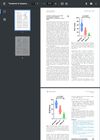
February 2023 in “Journal of the American Academy of Dermatology”
6 citations
,
February 2023 in “Journal of the American Academy of Dermatology” Upadacitinib improved hair regrowth and quality of life in alopecia areata patients with minimal side effects.
 5 citations
,
June 2019 in “British Journal of Dermatology”
5 citations
,
June 2019 in “British Journal of Dermatology” Tofacitinib was more effective than apremilast in treating hair loss in a mouse model of alopecia areata.
 2 citations
,
March 2024 in “PubMed”
2 citations
,
March 2024 in “PubMed” More research is needed on alopecia areata treatments and its psychological effects.
 2 citations
,
November 2014 in “The journal of investigative dermatology/Journal of investigative dermatology”
2 citations
,
November 2014 in “The journal of investigative dermatology/Journal of investigative dermatology” Oral tofacitinib can treat both psoriasis and alopecia universalis by normalizing inflammatory pathways.
 1 citations
,
June 2018 in “International Journal of Dermatology”
1 citations
,
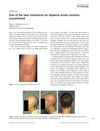
June 2018 in “International Journal of Dermatology” DNCB is highly effective for treating alopecia areata with minimal long-term side effects.
 May 2026 in “Journal of Dermatological Treatment”
 Patients with alopecia areata prefer treatments that regrow scalp hair quickly over how often they need to take the medication.
Alopesi tedavisinde ilaçlar saç büyümesini teşvik eder ve yeni yaklaşımlar umut vaat eder.
 June 2025 in “Patient Preference and Adherence”
 Chinese patients with alopecia areata value JAK inhibitors but worry about side effects and relapse, highlighting the need for education and support.
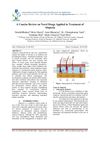
New therapies like JAK inhibitors, PRP, and stem cell treatments show promise for better alopecia management.
Upadacitinib effectively treated a patient with multiple inflammatory conditions.
 April 2023 in “Revista colombiana de reumatología”
 JAK inhibitors like tofacitinib can effectively treat severe alopecia areata.
 February 2026 in “Journal of Drugs in Dermatology”
 Janus kinase inhibitors are effective and safe for treating alopecia areata.
 January 2026 in “International Journal of All Research Education & Scientific Methods”
 Alopecia is caused by various factors, and new treatments like gene editing and regenerative medicine offer hope for personalized hair regrowth solutions.
 April 2017 in “Australasian Journal of Dermatology”
 The session covered updates on skin treatments, including radiotherapy, imiquimod, acitretin, JAK inhibitors, and strategies for managing rosacea and preventing surgical infections.
53 citations
,
July 2018 in “Drug design, development and therapy” Janus kinase inhibitors show promise in treating alopecia areata but need better topical formulations.