 4 citations
,
July 2025 in “Frontiers in Immunology”
4 citations
,
July 2025 in “Frontiers in Immunology” Early intervention with JAK inhibitors may prevent alopecia areata progression.
4 citations
,
January 2025 in “JAAD reviews.” Janus kinase inhibitors are promising for treating scarring alopecia, but more research is needed for safety and personalized treatments.
 3 citations
,
August 2020 in “Case Reports in Dermatology”
3 citations
,
August 2020 in “Case Reports in Dermatology” Tofacitinib treatment significantly improved a patient's psoriasis, psoriatic arthritis, and alopecia universalis.
 2 citations
,
July 2023 in “Journal of cosmetic dermatology”
2 citations
,
July 2023 in “Journal of cosmetic dermatology” JAK inhibitors are more effective and safer for treating alopecia areata than dupilumab and apremilast.
 2 citations
,
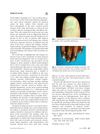
June 2018 in “Journal of the American Academy of Dermatology”
2 citations
,
June 2018 in “Journal of the American Academy of Dermatology” Alopecia areata causes varying hair loss and nail changes, and treatments include topical, systemic, and injectable therapies.
1 citations
,
December 2023 in “Molecules/Molecules online/Molecules annual” JAK inhibitors show promise for treating various skin diseases.
 1 citations
,
May 2023 in “Prospects in Pharmaceutical Sciences”
1 citations
,
May 2023 in “Prospects in Pharmaceutical Sciences” New cytokine-targeted therapies show promise for treating alopecia areata.
 1 citations
,
July 2018 in “Elsevier eBooks”
1 citations
,
July 2018 in “Elsevier eBooks” Alopecia Areata is an autoimmune hair loss condition, with various treatments showing mixed effectiveness and no guaranteed cure.
 1 citations
,
May 2017 in “Journal of the American Academy of Dermatology”
1 citations
,
May 2017 in “Journal of the American Academy of Dermatology” Oral tofacitinib may be an effective and tolerable treatment for some people with severe alopecia areata.
 June 2026 in “Eurasian Journal of Medicine”
 Baricitinib effectively regrew hair in a woman with alopecia universalis after other treatments failed.
 January 2026 in “Dermatology Reports”
 Upadacitinib improved symptoms and hair regrowth in a teen with multiple autoimmune conditions.
November 2025 in “FEBS Open Bio” JAK/STAT1 pathway causes hair loss during chemotherapy by reducing Shh in hair follicles.
 November 2025 in “SKIN The Journal of Cutaneous Medicine”
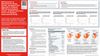
 Baricitinib significantly regrows hair in nasal, genital, and beard areas for severe alopecia areata.
 October 2025 in “Dermatology and Therapy”
 Recognizing and treating related skin conditions can improve atopic dermatitis management.
 May 2025 in “Orphanet Journal of Rare Diseases”
 TNF-α blockers and IL inhibitors improve symptoms in most patients with severe scalp condition, but more research is needed.

Baricitinib is more effective than tofacitinib for hair regrowth in alopecia patients.
 January 2023 in “National Journal of Physiology, Pharmacy and Pharmacology”
 Tofacitinib effectively reduced hair loss in alopecia areata patients without adverse effects.
 August 2021 in “Revista Colombiana de Reumatología/Revista Colombiana de Reumatologia”
 Janus kinase inhibitors may effectively treat severe alopecia areata unresponsive to other treatments.
 August 2018 in “Journal of Investigative Dermatology”
 Tofacitinib may help regrow hair in alopecia areata patients.
 February 2016 in “The journal of investigative dermatology/Journal of investigative dermatology”
 JAK inhibitors may help treat alopecia areata by reversing hair loss.
 May 2011 in “Value in Health”
 CP-690,550 significantly reduced itching in patients with moderate-to-severe plaque psoriasis.
 April 2024 in “Frontiers in physiology”
 Immune cells are crucial for hair growth and preventing hair loss.
 9 citations
,
May 2023 in “Inflammation Research”
9 citations
,
May 2023 in “Inflammation Research” New small molecule drugs show promise in treating complex skin diseases but need more safety research.
 1 citations
,
October 2018 in “InTech eBooks”
1 citations
,
October 2018 in “InTech eBooks” Only minoxidil and finasteride are FDA-approved for hair loss, with other treatments available but less effective or with side effects.
 99 citations
,
July 2017 in “Clinical Reviews in Allergy & Immunology”
99 citations
,
July 2017 in “Clinical Reviews in Allergy & Immunology” New treatments for Alopecia Areata show promise but need to be more effective and affordable.
 489 citations
,
November 2021 in “Signal Transduction and Targeted Therapy”
489 citations
,
November 2021 in “Signal Transduction and Targeted Therapy” The JAK/STAT pathway is important in cell processes and disease, and JAK inhibitors are promising for treating related conditions.
 3 citations
,
January 2015 in “Nasza Dermatologia Online”
3 citations
,
January 2015 in “Nasza Dermatologia Online” Some treatments for autoimmune hair loss work, but JAK inhibitors like tofacitinib are promising for regrowth.
 1 citations
,
February 2021 in “Farmacja Polska”
1 citations
,
February 2021 in “Farmacja Polska” Janus kinase inhibitors show promise in treating autoimmune skin diseases.
 January 2026 in “Forum Dermatologicum”
 JAK inhibitors and combination therapies show promise for treating severe alopecia areata.
 December 2024 in “Cureus”
 Baricitinib treatment for alopecia universalis can cause hair regrowth with unexpected whitening.