 December 2025 in “Aesthetic Cosmetology and Medicine”
 Injectable platelet-rich fibrin therapy improved hair and scalp conditions in women with excessive hair loss.
 November 2025 in “International Journal of Research in Medical Sciences”
 Unani medicine may help treat a rare, hard-to-treat hair loss pattern in children.
 November 2025 in “Frontiers in Pharmacology”
 64 drugs can cause hair loss, needing better monitoring and updated labels.
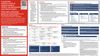 November 2025 in “SKIN The Journal of Cutaneous Medicine”
 Alopecia areata negatively affects self-esteem, relationships, and academics in young people.
 October 2025 in “Frontiers in Immunology”
 Platelet-rich plasma might help treat eczema by reducing inflammation and repairing the skin.
 August 2025 in “Archiv Euromedica”
 Gut microbiota changes might play a role in alopecia areata, and microbiome-targeted treatments show promise.
 May 2025 in “The Journal of Rheumatology”
 Early diagnosis and treatment are crucial for CAPS, and Eculizumab can be effective.
 May 2025 in “The Journal of Rheumatology”
 Trans-esophageal echocardiography is crucial for accurately diagnosing heart issues in lupus patients.
 May 2025 in “The Journal of Rheumatology”
 Early recognition and a team approach are crucial for managing diffuse alveolar hemorrhage in antiphospholipid syndrome.
 May 2025 in “The Journal of Rheumatology”
 SLE can cause unusual gastrointestinal symptoms, and immunosuppressive therapy can be effective.
 July 2024 in “International Journal of Medical Arts”
 Latanoprost is more effective than minoxidil for treating alopecia areata.
 June 2024 in “Dermatology and Therapy”
 Baricitinib improves quality of life and reduces anxiety and depression in severe alopecia areata patients with hair regrowth.
 April 2024 in “Frontiers in medicine”
 Alopecia Areata significantly lowers quality of life and current treatments are inadequate, highlighting a need for better therapies and standardized treatment protocols.
 February 2024 in “Scientific reports”
 Four genes are potential markers for hair loss condition alopecia areata, linked to a specific type of cell death.
 January 2024 in “American journal of clinical dermatology”
 Ritlecitinib is safe and well-tolerated for treating alopecia areata in patients aged 12 and older.
 January 2024 in “Wiadomości Lekarskie”
 AI and robotics are improving treatment and monitoring of neurodegenerative disorders like Parkinson's.
 January 2024 in “Wiadomości Lekarskie”
 AI improves vascular surgery by enhancing diagnostics, planning, and monitoring.
 January 2024 in “Wiadomości Lekarskie”
 AI and advanced technologies are improving medical diagnostics and treatments.
 January 2024 in “Wiadomości Lekarskie”
 Influencers impact medical communication both positively and negatively.
 January 2024 in “Wiadomości Lekarskie”
 AI in heart scans improves diagnosis and treatment but has risks like misdiagnosis and high costs.
 January 2024 in “Wiadomości Lekarskie”
 AI is transforming healthcare by improving diagnostics and therapy, despite challenges with data and trust.
 January 2024 in “Wiadomości Lekarskie”
 AI improves vascular surgery by enhancing precision and safety, but doctors make final decisions.
 January 2024 in “Wiadomości Lekarskie”
 AI can improve early diagnosis and treatment of diabetic foot complications but requires addressing training and ethical challenges.
 January 2024 in “Wiadomości Lekarskie”
 Ancient immune and signaling pathways still regulate blood cell development.
 January 2024 in “Wiadomości Lekarskie”
 Virtual surgical planning improves efficiency, coordination, and precision in complex surgeries.
 December 2023 in “EPRA international journal of multidisciplinary research”
 Alopecia areata causes sudden hair loss, has genetic links, and can be managed but not cured.

Alopecia areata patients have higher levels of certain immune receptors, suggesting new treatment possibilities.
 November 2023 in “Frontiers in pharmacology”
 Drug repositioning offers hope for new, affordable treatments for a genetic skin disorder called ARCI.
 October 2023 in “Frontiers in medicine”
 Targeted immunotherapy could be a promising new treatment for hair regrowth.
 August 2023 in “Journal of Knowledge Learning and Science Technology ISSN 2959-6386 (online)”
 New technologies help better understand and treat inflammatory skin diseases.