4 citations
,
January 2017 in “The Journal of Korean Medicine Ophthalmology and Otolaryngology and Dermatology” Gagamhwajung-hwan may effectively treat severe alopecia areata.
 32 citations
,
April 2019 in “JAAD case reports”
32 citations
,
April 2019 in “JAAD case reports” JAK inhibitors helped treat hair loss in two people with Down syndrome.
 1 citations
,
November 2023 in “Skin Appendage Disorders”
1 citations
,
November 2023 in “Skin Appendage Disorders” 308 nm excimer lamp therapy is effective for alopecia areata but less so for severe cases.
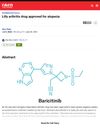 June 2022 in “C&EN global enterprise”
 The drug Olumiant is now approved to treat severe hair loss from alopecia and can also be used for some hospitalized COVID-19 patients.
 1 citations
,
October 2020 in “Journal of Investigative Dermatology Symposium Proceedings”
1 citations
,
October 2020 in “Journal of Investigative Dermatology Symposium Proceedings” The summit concluded that new treatments like Jak inhibitors show promise for Alopecia Areata and personalized approaches are needed.
 May 2026 in “Zenodo (CERN European Organization for Nuclear Research)”
 Amalaki Churna effectively reduces hair fall and improves hair health.
June 2026 in “Dove Medical Press (Taylor and Francis Group)” JAK inhibitors show promise for treating alopecia areata, but long-term safety and emotional support are important.
June 2021 in “DOAJ (DOAJ: Directory of Open Access Journals)” JAK inhibitors show promise for treating alopecia areata but their effectiveness and safety are still debated.
3 citations
,
November 2024 in “Clinical Research” Deuruxolitinib is FDA-approved for treating severe alopecia areata.
Kalya Research is an AI tool that effectively finds and analyzes alternative medicine literature, saving researchers time.
January 2026 in “Clinical and Experimental Dermatology” Ruxolitinib helped a patient with alopecia areata regrow hair.
40 citations
,
June 2021 in “Clinical, cosmetic and investigational dermatology” JAK inhibitors show promise in effectively treating hair loss from alopecia areata.
1 citations
,
March 2021 in “Korean Journal of Clinical Laboratory Science” The extract promoted hair growth without significant toxicity.
1 citations
,
October 2025 in “Journal of Allergy and Clinical Immunology” A JAK1 variant causes hair loss, skin issues, and thyroid disease, but treatment with a specific inhibitor can help.
 August 2024 in “International Journal For Multidisciplinary Research”
 Ayurvedic treatment reduced hair loss and improved scalp health effectively.
 40 citations
,
August 2022 in “Frontiers in immunology”
40 citations
,
August 2022 in “Frontiers in immunology” Blocking JAK/STAT pathways can help treat hair loss from alopecia areata.
May 2025 in “Journal of the European Academy of Dermatology and Venereology” Ritlecitinib is effective for long-term hair regrowth in alopecia areata, especially in females and early treatment.
April 2019 in “The journal of investigative dermatology/Journal of investigative dermatology” Blocking JAK1 or JAK3 helps reverse hair loss in a mouse model of alopecia areata.
7 citations
,
February 2011 in “Journal of dermatology” The 736T>A mutation in the LIPH gene is common in Japanese people with autosomal recessive woolly hair.
 10 citations
,
March 2015 in “American journal of primatology”
10 citations
,
March 2015 in “American journal of primatology” Ingesting Leucaena leucocephala caused hair loss and increased infant mortality in ringtailed lemurs.
Deuruxolitinib effectively promotes hair regrowth in alopecia areata.
 April 2025 in “JAAD Case Reports”
 Topical ruxolitinib and oral minoxidil together can regrow hair in certain types of hair loss.
 January 2024 in “American journal of clinical dermatology”
 Ritlecitinib is safe and well-tolerated for treating alopecia areata in patients aged 12 and older.
355 citations
,
January 2017 in “Journal of the American Academy of Dermatology” JAK inhibitors show promise for treating skin conditions like eczema, hair loss, and psoriasis.
2 citations
,
March 2025 in “International Journal of Dermatology” Tralokinumab successfully treated alopecia areata in a patient with atopic dermatitis.
December 2025 in “PubMed” Baricitinib is effective and safe for treating severe alopecia areata.
1 citations
,
December 2023 in “Journal of the European Academy of Dermatology and Venereology”  August 2024 in “New Zealand Medical Student Journal”
 JAK inhibitors show promise for treating skin diseases effectively and safely.
 May 2026 in “Zenodo (CERN European Organization for Nuclear Research)”
 Amalaki Churna effectively reduces hair fall and improves hair strength.