 79 citations
,
September 2018 in “Dermatologic therapy”
79 citations
,
September 2018 in “Dermatologic therapy” Oral tofacitinib can significantly improve recalcitrant lichen planopilaris.
 November 2023 in “Dermatologica sinica/Zhōnghuá pífūkē yīxué zázhì”
 Upadacitinib helped regrow hair in a severe alopecia areata patient but stopping treatment caused hair loss to return.
February 2026 in “International Journal of Dermatology” Ritlecitinib shows promise in improving hair regrowth in adolescents with alopecia areata.
72 citations
,
November 2020 in “Frontiers in Pharmacology” Jujube fruit may help prevent anemia by boosting blood production.
1 citations
,
October 2023 in “Animals” Certain DNA regions in alpacas are linked to fiber diameter.
 September 2025 in “Dermatology and Therapy”
 Baricitinib is a promising treatment for alopecia areata in the UAE, but there are challenges with data and access.
 April 2026 in “Frontiers in Marine Science”
 Guadalupe fur seals at San Benito Archipelago face high mortality and health issues due to pollution and marine debris.
20 citations
,
June 2019 in “JAAD Case Reports” Tofacitinib can cause skin eruptions similar to palmoplantar pustulosis.
 April 2026 in “International Journal of Homoeopathic Sciences”
 Kali carbonicum helped regrow beard hair and reduce anxiety in a man with alopecia areata barbae.
2 citations
,
January 2025 in “Journal of Clinical Immunology” November 2024 in “SKIN The Journal of Cutaneous Medicine” Ritlecitinib effectively reduces severe hair loss in alopecia areata over 24 months.
November 2020 in “Food Science and Technology” Ziziphus jujube Mill extract can naturally protect corn from fungi.
 April 2024 in “JEADV clinical practice”
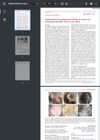
 Upadacitinib significantly improved both rheumatoid arthritis and alopecia areata in a patient.
 49 citations
,
October 2014 in “International Scholarly Research Notices”
49 citations
,
October 2014 in “International Scholarly Research Notices” Eclipta alba has many health benefits and contains compounds with potential for drug development.
July 2024 in “Journal of Investigative Dermatology” CD8+ T cells expand significantly in alopecia areata, suggesting new treatment targets.
 March 2024 in “Poster presentations”
 A woman with lupus and Kikuchi-Fujimoto disease improved with treatment.
 August 2025 in “Scientific Electronic library online (Sciences Carlos III Health Institute)”
 Tofacitinib can help regrow hair in about 50% of people with moderate-severe alopecia areata.
5 citations
,
December 2024 in “Anais Brasileiros de Dermatologia” Treat alopecia areata with personalized plans, using corticosteroids for mild cases and Janus Kinase inhibitors for severe cases, while also offering psychological support.
 March 2022 in “JAMA Dermatology”
 In 2021, JAMA Dermatology published significant findings on skin conditions post-COVID vaccination, melanoma surveillance, atopic dermatitis treatments, and confirmed that sun protection does not harm bone health.
March 2026 in “Journal of the American Academy of Dermatology” The treatment significantly improved lymphocytic cicatricial alopecia symptoms in most patients.
September 2022 in “Zenodo (CERN European Organization for Nuclear Research)” MaasaLong may improve male health and erections naturally without side effects.
Prasiola japonica extract may help reduce hair loss and promote hair growth.
 31 citations
,
January 2017 in “Phytotherapy Research”
31 citations
,
January 2017 in “Phytotherapy Research” Ziziphus jujuba Mills may have health benefits, but more research is needed to confirm its safety and effectiveness.
 2 citations
,
April 2019 in “Dermatologic Therapy”
2 citations
,
April 2019 in “Dermatologic Therapy” A patient with alopecia had hair regrowth with tofacitinib but developed a skin reaction, choosing to continue the treatment despite the side effect.
 March 2025 in “Drug Development Research”
 The new gel combining minoxidil and tofacitinib effectively treats alopecia areata by promoting hair growth and reducing inflammation.
 February 2026 in “Dove Medical Press (Taylor and Francis Group)”
 Upadacitinib can effectively regrow hair in alopecia areata patients without worsening sarcoidosis.
Janus kinase inhibitors are the most supported treatment for pediatric alopecia areata, while other options have limited evidence.
 15 citations
,
September 2005 in “The Journal of the American Animal Hospital Association/Journal of the American Animal Hospital Association”
15 citations
,
September 2005 in “The Journal of the American Animal Hospital Association/Journal of the American Animal Hospital Association” Trilostane effectively treated hair loss in Alaskan Malamutes with no adverse effects.
February 2025 in “International Research Journal of Modernization in Engineering Technology and Science” Jaborandi tincture mixed with coconut oil may reduce hair fall and improve scalp health.
8 citations
,
January 2017 in “Dermatology online journal” Tofacitinib helped psoriasis but not alopecia universalis, needing more research.