 February 2011 in “Annales de dermatologie et de vénéréologie”
 Tofacitinib shows promise for treating severe alopecia areata with good safety and effectiveness.
 37 citations
,
October 2017 in “Clinical and Experimental Dermatology”
37 citations
,
October 2017 in “Clinical and Experimental Dermatology” Oral tofacitinib shows promise in treating atopic dermatitis and alopecia areata, but only slight improvement in vitiligo.
 2 citations
,
April 2019 in “Dermatologic Therapy”
2 citations
,
April 2019 in “Dermatologic Therapy” A patient with alopecia had hair regrowth with tofacitinib but developed a skin reaction, choosing to continue the treatment despite the side effect.
 July 2023 in “Dermatology and therapy”
 People with alopecia areata may have a higher risk of blood clots.
 September 2025 in “International Journal of Science and Research (IJSR)”
 Stress causes hair loss by disrupting hair growth cycles, and combining medical and cosmetic treatments can help manage it.
March 2024 in “Current issues in molecular biology” Personalized medicine in dermatology uses molecular biomarkers to improve diagnosis and treatment but needs further advancements for practical use.
 26 citations
,
January 2019 in “Expert Opinion on Investigational Drugs”
26 citations
,
January 2019 in “Expert Opinion on Investigational Drugs” New treatments for hair loss show promise, but more research is needed to confirm their safety and effectiveness.
 157 citations
,
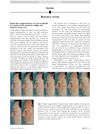
December 2015 in “Journal of the American Academy of Dermatology”
157 citations
,
December 2015 in “Journal of the American Academy of Dermatology” A man with vitiligo and alopecia saw quick skin and hair improvement with ruxolitinib, but skin color gains were lost after stopping treatment.
 May 2026 in “International Journal of Molecular Sciences”
 Chemotherapy-induced hair loss may be linked to immune system changes, and certain treatments could help but need careful use.
 August 2023 in “JAAD international”
 Pediatric dermatologists have varied preferences for treating alopecia areata in children, with no standard FDA-approved treatments and some using JAK inhibitors despite risks.
 9 citations
,
July 2022 in “EMBO molecular medicine”
9 citations
,
July 2022 in “EMBO molecular medicine” Blocking certain immune signals can reduce skin damage from radiation therapy.
8 citations
,
January 2023 in “Indian Dermatology Online Journal” Baricitinib effectively treats certain skin conditions but may have serious side effects.
 March 2026 in “Frontiers in Medicine”
 New therapies for rare skin diseases show promise but need more research.
January 2025 in “Voprosy praktičeskoj pediatrii” Janus kinase inhibitors show promise for treating alopecia areata in children.
 1 citations
,
January 2023 in “Portuguese Journal of Dermatology and Venereology”
1 citations
,
January 2023 in “Portuguese Journal of Dermatology and Venereology” JAK inhibitors effectively treat skin conditions and topical forms are safer.
January 2026 in “Journal of Clinical Medicine” Janus kinase inhibitors reduce inflammation markers in severe alopecia areata patients.
January 2019 in “Springer eBooks” Combination therapies might work better for some vitiligo patients, but results vary.
 March 2026 in “Mendeley Data”
 Janus kinase inhibitors help hair regrowth in kids with alopecia areata but need more safety research.
 March 2026 in “Mendeley Data”
 Janus kinase inhibitors can help children with alopecia areata regrow hair but may have some risks.
June 2025 in “British Journal of Dermatology” JAK inhibitors help regrow hair in alopecia areata, but their long-term safety is still unclear.
 November 2023 in “The journal of investigative dermatology/Journal of investigative dermatology”
 Cancer treatment drugs can cause permanent hair loss by damaging hair follicle stem cells, but a specific inhibitor might reverse this effect.
June 2025 in “British Journal of Dermatology” Irish dermatologists urgently need guidelines for using JAK inhibitors in treating alopecia areata.
June 2024 in “Poster presentations” Janus Kinase inhibitors effectively induce remission in Ulcerative Colitis with an acceptable safety profile.
 January 2024 in “Journal of Crohn's and colitis”
 Janus Kinase inhibitors are effective and have an acceptable safety profile for treating moderate to severe Ulcerative Colitis.
 14 citations
,
January 2020 in “Mediterranean Journal of Rheumatology”
14 citations
,
January 2020 in “Mediterranean Journal of Rheumatology” New JAK inhibitor drugs show promise for treating skin diseases but need more research on safety and effectiveness.
 2 citations
,
April 2023 in “JEADV. Journal of the European Academy of Dermatology and Venereology/Journal of the European Academy of Dermatology and Venereology”
2 citations
,
April 2023 in “JEADV. Journal of the European Academy of Dermatology and Venereology/Journal of the European Academy of Dermatology and Venereology” JAK-inhibitors for alopecia areata are generally safe with mostly mild side effects and a low rate of treatment withdrawal.
 August 2025 in “Dermatology and Therapy”
 JAK inhibitors show promise for treating alopecia areata but have serious side effects.
Tofacitinib helped a woman with total-body hair loss grow her hair back.
23 citations
,
August 2022 in “JAMA Dermatology” Patients with alopecia areata feel less regret about treatment decisions when they are involved in the decision-making process.
 May 2025 in “JEADV Clinical Practice”
 Tofacitinib and methotrexate successfully treated a woman's severe skin, joint, and hair loss issues.