
Self-monitoring blood pressure in pregnant women didn't improve outcomes, diabetes drugs may increase gallbladder disease risk, a new drug helps severe hair loss, a plant-based COVID-19 vaccine is 69.5% effective, and new anticoagulants are safer for diabetics with heart rhythm issues than warfarin.
 May 2026 in “International Journal of Molecular Sciences”
 Chemotherapy-induced hair loss may be linked to immune system changes, and certain treatments could help but need careful use.
 May 2025 in “JEADV Clinical Practice”
 Tofacitinib and methotrexate successfully treated a woman's severe skin, joint, and hair loss issues.
 March 2025 in “HAL (Le Centre pour la Communication Scientifique Directe)”
 De nouvelles thérapies promettent de mieux traiter la perte de cheveux due à l'alopécie androgénétique.
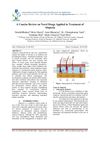
New therapies like JAK inhibitors, PRP, and stem cell treatments show promise for better alopecia management.
 January 2025 in “Geneesmiddelenbulletin”
 Baricitinib is effective and safe for treating severe alopecia areata with ongoing use.
 March 2024 in “Clinical, cosmetic and investigational dermatology”
 Upadacitinib may effectively treat alopecia areata without side effects.
Tofacitinib helped a woman with total-body hair loss grow her hair back.
 October 2023 in “Frontiers in medicine”
 Comprehensive screening for infections is crucial before starting JAK inhibitors in alopecia areata patients.
 June 2023 in “Dermatology and therapy”
 Doctors in the Middle East need better treatments and more knowledge about new therapies for hair loss condition Alopecia Areata.
 May 2023 in “Journal of managed care & specialty pharmacy”
 Alopecia areata causes hair loss and life quality issues; current treatments are often unsatisfactory, but new drugs like JAK inhibitors show promise.
 January 2023 in “Indian Dermatology Online Journal”
 No single ideal JAK inhibitor for alopecia areata has been determined; JAK3 inhibitors may be promising with fewer side effects.
26 citations
,
June 2024 in “Frontiers in Immunology” SOCS1 and SOCS3 help control skin inflammation and are important for developing treatments for skin diseases.
 223 citations
,
September 2018 in “Rheumatology”
223 citations
,
September 2018 in “Rheumatology” JAK inhibitors are effective in treating various immune-related diseases, not just rheumatoid arthritis.
 41 citations
,
December 2015 in “JAMA Dermatology”
41 citations
,
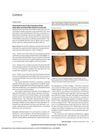
December 2015 in “JAMA Dermatology” Tofacitinib citrate improved nail dystrophy and pain in patients with alopecia universalis without causing side effects.
6 citations
,
November 2024 in “Frontiers in Immunology” Targeting autophagy can help treat skin disorders like vitiligo and atopic dermatitis.
 6 citations
,
May 2023 in “Drugs”
6 citations
,
May 2023 in “Drugs” Baricitinib helps regrow hair in adults with severe alopecia better than a placebo and is approved for treatment, but long-term effects are still unknown.
 4 citations
,
July 2025 in “Frontiers in Immunology”
4 citations
,
July 2025 in “Frontiers in Immunology” Early intervention with JAK inhibitors may prevent alopecia areata progression.
 2 citations
,
May 2017 in “InTech eBooks”
2 citations
,
May 2017 in “InTech eBooks” Stem cells could improve hair growth and new treatments for baldness are being researched.
 June 2026 in “Saudi Medical Horizons Journal”
 JAK inhibitors show promise in treating skin conditions like eczema, hair loss, and vitiligo but need more safety research.
 April 2026 in “Antibodies”
 The role of antibodies in alopecia is unclear, but JAK inhibitors show promise for treatment.
 April 2026 in “Journal of Inflammation Research”
 Alopecia areata and atopic dermatitis share immune system issues, and treatments like JAK inhibitors can help both.
January 2026 in “Medicina” JAK inhibitors show promise for treating various skin disorders effectively and safely.
JAK inhibitors effectively regrow hair in alopecia areata but hair loss often returns after stopping treatment.
 September 2025 in “Australasian Journal of Dermatology”
 New medications could improve treatment for severe alopecia areata in Australia.
 July 2025 in “Journal of Cosmetic Dermatology”
 Alternative treatments are needed when Tofacitinib alone fails for alopecia areata.
 January 2025 in “Вопросы современной педиатрии”
 Janus kinase inhibitors effectively treat alopecia areata but may cause relapses and have long-term safety concerns.
 October 2023 in “International journal of rheumatic diseases”
 New treatments targeting the JAK signaling pathway, especially JAK inhibitors, show promise for alopecia areata.
 July 2023 in “IntechOpen eBooks”
 New treatments for alopecia areata show promise, but more research is needed to confirm their effectiveness.
 238 citations
,
November 2016 in “Journal of The American Academy of Dermatology”
238 citations
,
November 2016 in “Journal of The American Academy of Dermatology” Tofacitinib is effective and safe for severe hair loss, but full regrowth is less likely after 10 years of hair loss.