January 2020 in “Indian Journal of Pharmaceutical Sciences” Natural products show promise for new hair loss treatments.
6 citations
,
March 2022 in “Molecules” Methyl jasmonate boosts tanshinone production in Salvia miltiorrhiza callus cultures.
July 2023 in “JAAD Case Reports” April 2020 in “The FASEB journal” Poncirin is a promising inhibitor of Janus Kinase 3, potentially better than tofacitinib.
 21 citations
,
November 2021 in “Biomolecules”
21 citations
,
November 2021 in “Biomolecules” Eclipta prostrata is a medicinal plant that helps treat diseases, protects the liver and nerves, and promotes hair growth.
 September 2023 in “Frontiers in bioengineering and biotechnology”
 JAGGED1 could help regenerate tissues for bone loss and heart damage if delivered correctly.
June 2023 in “International Ayurvedic Medical Journal” Tridax procumbens is effective for wound healing.
October 2019 in “International Journal of Ayurvedic Medicine” Yastimadhuk Tail Pratimarsha Nasya effectively reduces hair fall symptoms.
 August 2017 in “International journal of Ayurvedic and herbal medicine”
 Bhallataka is a poisonous plant that, when detoxified, may have medicinal benefits for various health issues.
 2 citations
,
March 2024 in “Meditsinskiy sovet = Medical Council”
2 citations
,
March 2024 in “Meditsinskiy sovet = Medical Council” JAK inhibitors effectively treat severe atopic dermatitis and alopecia areata.
 August 2021 in “Revista Colombiana de Reumatología/Revista Colombiana de Reumatologia”
 Janus kinase inhibitors may effectively treat severe alopecia areata unresponsive to other treatments.
 June 2023 in “British journal of dermatology/British journal of dermatology, Supplement”
 Patients with alopecia areata face challenges accessing Janus kinase inhibitors, but some see positive results.
 6 citations
,
February 2023 in “Journal of the American Academy of Dermatology”
6 citations
,
February 2023 in “Journal of the American Academy of Dermatology” Upadacitinib improved hair regrowth and quality of life in alopecia areata patients with minimal side effects.
July 2021 in “Journal of dermatology & dermatologic surgery” IMTA can help regrow hair in severe alopecia areata when JAK inhibitors don't work well.
 December 2024 in “Indian Dermatology Online Journal”
 Gemstones are used to help describe and remember skin conditions.
 1 citations
,
August 2025 in “Journal of Ayurveda and Holistic medicine.”
1 citations
,
August 2025 in “Journal of Ayurveda and Holistic medicine.” Ayurvedic treatment effectively improved tinea capitis symptoms.
 178 citations
,
May 2006 in “Developmental Dynamics”
178 citations
,
May 2006 in “Developmental Dynamics” Jumonji genes are important for development and their mutations can cause abnormalities, especially in the heart and brain.
 56 citations
,
January 2019 in “Lancet”
56 citations
,
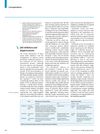
January 2019 in “Lancet” JAK inhibitors help regrow hair in alopecia areata patients, improving their quality of life.
 19 citations
,
February 2023 in “Environmental and experimental botany”
19 citations
,
February 2023 in “Environmental and experimental botany” Jasmonic acid helps plants grow, defend against threats, and survive stressful conditions like drought and salt.
 January 2024 in “JOURNAL OF CLINICAL AND DIAGNOSTIC RESEARCH”
 Ayurvedic treatment helped a woman regrow her lost eyebrow and eyelash hair.
3 citations
,
April 2024 in “International Journal of Women’s Dermatology” Access to JAK inhibitor therapy for alopecia areata patients is difficult, especially for racial minorities.
December 2025 in “Journal of Ayurveda and Integrated Medical Sciences” Modern lifestyle factors like stress and pollution cause premature greying of hair.
 June 2026 in “Frontiers in Immunology”
 Upadacitinib effectively treated severe atopic dermatitis, vitiligo, and alopecia areata in one patient.
1 citations
,
October 2025 in “Journal of Allergy and Clinical Immunology” A JAK1 variant causes hair loss, skin issues, and thyroid disease, but treatment with a specific inhibitor can help.
 February 2026 in “Frontiers in Immunology”
 Ivarmacitinib significantly improved hair regrowth in severe alopecia areata after tofacitinib was less effective.
 75 citations
,
January 2014 in “Archiv Der Pharmazie”
75 citations
,
January 2014 in “Archiv Der Pharmazie” Jasmonic acid and its derivatives play important roles in plant health and have potential uses in medicine and agriculture.
January 2025 in “Sanjeevani Darshan National Journal of Ayurveda & Yoga” Ayurvedic treatment may help manage alopecia areata.

Baricitinib is more effective than tofacitinib for hair regrowth in alopecia patients.
September 2023 in “Journal of the American Academy of Dermatology” Oral Janus kinase inhibitors are effective for treating alopecia areata in adults.
Patients with alopecia areata using Janus kinase inhibitors are not following lab monitoring guidelines.