 1 citations
,
October 2021 in “Veterinary World”
1 citations
,
October 2021 in “Veterinary World” Extract mixture 1 effectively treats cattle skin disease, promoting fast healing and hair regrowth.
1 citations
,
April 2024 in “Journal of Dermatological Science” January 2025 in “Dermatologic Therapy” Baricitinib works better for alopecia areata in patients not previously treated with tofacitinib.
December 2021 in “Figshare” BBS7 is essential for healthy gums by supporting cell function and blood flow.
December 2021 in “Figshare” BBS7 is essential for healthy gums by supporting cell function and blood flow.
September 2025 in “DiRROS repository (University of Maribor)” JAK inhibitors can effectively regrow hair in alopecia areata.

Baricitinib helps keep hair, eyebrows, and eyelashes regrown for 3 years in most people with severe hair loss.
 2 citations
,
January 2023 in “Bioresource Technology Reports”
2 citations
,
January 2023 in “Bioresource Technology Reports” Enzymes can release hydrocarbons from Botryococcus braunii without harming cells, suggesting potential for continuous extraction.
 August 2021 in “Research Square (Research Square)”
 Borneol Essential Oil could be a natural and safe acne treatment.

The treatment showed promising results in improving advanced-stage hair loss.
9 citations
,
August 2002 in “British journal of ophthalmology” The document reports a rare case of ECCL with a new association with optic disc colobomas.
February 2020 in “Jurnal pendidikan dan keluarga/Jurnal Pendidikan dan Keluarga” Avocados and virgin coconut oil significantly reduce hair loss.
 18 citations
,
March 1985 in “Journal of The American Academy of Dermatology”
18 citations
,
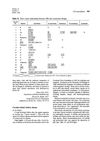
March 1985 in “Journal of The American Academy of Dermatology” Cocaine use can cause a blistering skin disease.
COCs can improve acne but may cause skin issues like cholasma; high estrogen is advised for hair loss concerns.
June 2026 in “Strathprints: The University of Strathclyde institutional repository (University of Strathclyde)” Topical IKKα inhibitors may help prevent CCS tumours.
November 2025 in “Journal of Investigative Dermatology” PCFCL may have unrecognized subtypes and needs more research.
August 2021 in “Journal of cosmetic dermatology” The editorial stresses the importance of COVID-19 vaccination and ongoing contributions to the journal.
July 2022 in “British Journal of Dermatology” December 2025 in “Journal of Human Immunity” JAK inhibitors may help improve symptoms in adults with APECED.
1 citations
,
January 2009 in “The Open Dermatology Journal” Chemotherapy caused nail grooves and separation, but they healed after treatment stopped.
 11 citations
,
April 2015 in “EBioMedicine”
11 citations
,
April 2015 in “EBioMedicine” JAK inhibitors may help treat Alopecia Areata but need careful monitoring due to side effects.
1 citations
,
December 2024 in “Journal of Orthopaedic Research®” Aromoline and DRD4 are potential targets for osteoarthritis treatment.
 70 citations
,
October 2020 in “The journal of allergy and clinical immunology/Journal of allergy and clinical immunology/The journal of allergy and clinical immunology”
70 citations
,
October 2020 in “The journal of allergy and clinical immunology/Journal of allergy and clinical immunology/The journal of allergy and clinical immunology” Janus kinase inhibitors are promising drugs for treating autoimmune and inflammatory diseases.
 September 2014 in “Proceedings of SPIE, the International Society for Optical Engineering/Proceedings of SPIE”
 OCT can effectively examine and reveal details about human hair and scalp conditions.
 June 2025 in “Patient Preference and Adherence”
 Chinese patients with alopecia areata value JAK inhibitors but worry about side effects and relapse, highlighting the need for education and support.
June 2005 in “Journal of Investigative Dermatology” The journal emphasizes the importance of combining basic and clinical science to improve health.
11 citations
,
May 2011 in “The Journal of Dermatology” A man had two rare autoimmune diseases that might be connected.
5 citations
,
January 2017 in “Arquivos Brasileiros de Oftalmologia” A rare genetic disorder causes sparse hair and vision loss due to a CDH3 gene mutation.
 December 2025 in “International Journal of Innovative Technologies in Social Science”
 Oral JAK inhibitors effectively treat alopecia areata and are generally well-tolerated.
September 2024 in “Journal of the American Academy of Dermatology” Eyebrow and eyelash regrowth usually matches scalp hair response in alopecia areata patients treated with baricitinib.