 54 citations
,
January 2013 in “BMC Complementary and Alternative Medicine”
54 citations
,
January 2013 in “BMC Complementary and Alternative Medicine” Thuja orientalis hot water extract may help hair grow by starting the growth phase and improving hair follicle development.
 September 2022 in “Journal of The American Academy of Dermatology”
 Baricitinib was effective in regrowing eyebrow and eyelash hair in patients with severe alopecia areata.
 1 citations
,
May 2025 in “The Journal of Rheumatology”
1 citations
,
May 2025 in “The Journal of Rheumatology” Careful monitoring is crucial to prevent JC virus reactivation in lupus patients treated with rituximab.
 2 citations
,
August 2018 in “Korean Journal of Plant Resources”
2 citations
,
August 2018 in “Korean Journal of Plant Resources” Oregonin from Alnus japonica may help prevent hair loss and promote hair growth.
277 citations
,
December 2019 in “Frontiers in Immunology” JAK inhibitors show promise for treating skin disorders like alopecia, eczema, and psoriasis.
 February 2024 in “International Journal of Scientific Research in Science and Technology”
 Pomegranates have many health benefits, including fighting bacteria, viruses, cancer, and diabetes.
December 2025 in “JAAD reviews.” Cross-cultural plant knowledge can improve skin treatments.
 56 citations
,
January 2019 in “Lancet”
56 citations
,
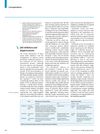
January 2019 in “Lancet” JAK inhibitors help regrow hair in alopecia areata patients, improving their quality of life.
16 citations
,
June 2016 in “Innovare Academic Sciences - Innovare Journal of Ayurvedic Sciences” Bacopa monnieri is a herb used in traditional Indian medicine to enhance memory and treat various conditions.
 April 2023 in “The journal of investigative dermatology/Journal of investigative dermatology”
 JAK inhibitors help hair growth by boosting beta-catenin activity in hair root cells.
 11 citations
,
December 2018 in “Journal of the European Academy of Dermatology and Venereology”
11 citations
,
December 2018 in “Journal of the European Academy of Dermatology and Venereology” Stopping JAK inhibitor treatment for hair loss can lead to worse hair loss than before the treatment.
 January 2026 in “International Journal of Innovative Technologies in Social Science”
 JAK inhibitors show promise for treating alopecia areata, but more research is needed.
February 2025 in “International Journal of Research Publication and Reviews” Butterfly pea flower is valued for its health benefits, color-changing ability, and use in food and drinks.
 February 2011 in “Annales de dermatologie et de vénéréologie”
 Tofacitinib shows promise for treating severe alopecia areata with good safety and effectiveness.
March 2025 in “International Journal of Trichology” Janus kinase inhibitors may effectively treat resistant scalp conditions like folliculitis decalvans and dissecting cellulitis.

Aged Julia Creek dunnarts suffer from reproductive and hormonal issues, aiding conservation efforts.
 June 2025 in “Current Trends in Biotechnology and Pharmacy”
 The polyherbal hair tonic promotes hair growth and has antibacterial properties.
 September 2023 in “Journal of the American Academy of Dermatology”
 Topical tofacitinib helped a man with severe scalp condition after other treatments failed.
 October 2022 in “Asian journal of healthy and science”
 Mother-in-law's tongue leaf extract at 20% concentration significantly promotes hair growth in male rabbits.
 2 citations
,
April 2019 in “Dermatologic Therapy”
2 citations
,
April 2019 in “Dermatologic Therapy” A patient with alopecia had hair regrowth with tofacitinib but developed a skin reaction, choosing to continue the treatment despite the side effect.

Maidenhair fern extract may help treat COVID-19 symptoms.
April 2023 in “Journal of Dermatological Treatment” Tofacitinib helped regrow hair in a teen with a unique pattern of alopecia areata.
 January 2016 in “Hair transplant forum international”
 The Japan Society of Clinical Hair Restoration (JSCHR) focuses on improving hair restoration techniques in Japan.
2 citations
,
May 2025 in “Archives of Dermatological Research” JAK inhibitors do not increase cancer risk in severe alopecia areata compared to traditional treatments.
 1 citations
,
July 2022 in “Plant Cell, Tissue and Organ Culture (PCTOC)”
1 citations
,
July 2022 in “Plant Cell, Tissue and Organ Culture (PCTOC)” The study found that in Eclipta prostrata roots, coumestans come from acetate and shikimate pathways, and phenylpropanoid is made only through the shikimate pathway.
 January 2023 in “Brazilian Journals Editora eBooks”
 Pharmacists play a key role in managing the use of anxiety medications and ensuring patients use them correctly.