 1 citations
,
June 2001 in “Annals of Internal Medicine”
1 citations
,
June 2001 in “Annals of Internal Medicine” The conclusion is that maintaining blinding in clinical trials is crucial for reliable results.
 July 2026 in “International Journal of Multidisciplinary Sciences and Arts”
 Papaya seed oil and virgin coconut oil pomade effectively enhances hair shine and moisture.
 May 2026 in “The EMBO Journal”
 Skin aging can be slowed by targeting cells, hormones, and the microbiome.
 April 2026 in “Research Square”
 UK postgraduate health students have limited understanding of alopecia, with many misconceptions, highlighting the need for better awareness.
The new microneedle system improves hair growth in alopecia treatment.
 January 2026 in “Annals of Clinical Endocrinology and Metabolism”
 Restoring NAD⁺ may help with aging and chronic diseases, but more research is needed.
 December 2025 in “International Journal of Research in Dermatology”
 A multidisciplinary approach is crucial for effectively managing hair loss linked to endocrine and gynecological disorders.
 November 2025 in “International Journal of Zoology and Applied Biosciences”
 New technologies like AI, robotics, and stem cells have made hair transplants more effective and natural-looking.
 November 2025 in “EXPERIMENTAL ANIMALS”
 Stingless bee propolis may help regenerate hair follicles and improve pigment function in chemotherapy-induced hair loss.
 October 2025 in “Pakistan journal of urology.”
 Personalized, minimally invasive treatments improve urology outcomes.
 September 2025 in “International Journal of Innovative Technologies in Social Science”
 Dutasteride is more effective than finasteride for hair loss, but more research is needed on safety and dosing.
 August 2025 in “International Journal of Advanced Research in Science Communication and Technology”
 Herbal shampoo cleans and improves hair without harmful effects.

LGF injections may improve early Peyronie's disease by reducing penile curvature and plaque size.
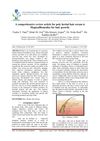
MagicalRemedies serum effectively promotes healthy hair growth and reduces damage.
 January 2025 in “Acta Clinica Croatica”
 Using platelet rich fibrin speeds up wound healing after revascularization.
 December 2024 in “THE SCIENTIFIC TEMPER”
 Women in Raichur slums need better health awareness and medical help.
Stem cell therapy shows promise for treating hair loss in androgenetic alopecia.
 April 2024 in “International journal of women's health”
 Adult female acne is a complex condition that can worsen with menopause, requiring holistic treatment and tailored skincare at different life stages.

Iron deficiency anemia can cause itching, which often improves with iron supplements.
 February 2024 in “Research Square (Research Square)”
 People today have lower levels of arsenic, lead, cadmium, and iron in their hair than people did 100 years ago.
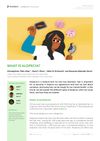 January 2024 in “Frontiers for young minds”
 Alopecia is a condition causing hair loss that can impact looks and mental health.
 January 2024 in “International Journal of Research Publication and Reviews”
 The herbal hair serum with rosemary, hibiscus, and neem is safe and effective for hair care.
 January 2024 in “Dermatology Review”
 Combining PRP with hydroquinone is more effective for treating melasma than using hydroquinone alone.
 January 2024 in “International Journal of Biochemistry and Molecular Biology”
 Hormone levels can help predict metformin treatment success in women with PCOS.
 December 2023 in “Migration letters”
 Herbal treatments can help manage PCOS symptoms.
 November 2023 in “International journal of biology, pharmacy and allied sciences”
 Herbal treatments can help with hair problems, but more research is needed.
 November 2023 in “International journal of Ayurveda and pharma research”
 The herbal hair oil effectively promotes hair growth, nourishes the scalp, and prevents dandruff.
 July 2023 in “Zenodo (CERN European Organization for Nuclear Research)”
 Trazodone and chlorpromazine may help treat sexual dysfunction caused by finasteride and SSRIs.

Fetal environments contain various chemicals that may disrupt hormones.
 October 2022 in “Journal of experimental and clinical medicine”
 Repurposing existing drugs for COVID-19 shows promise but requires more research to confirm effectiveness.