1 citations
,
August 2020 The Shaven mutation in mice affects hair growth and causes a greasy coat due to abnormal lipid content.
22 citations
,
October 2007 in “Journal of Investigative Dermatology” Stem cells in mouse nails are found in the nail matrix and may control nail growth.
 December 2023 in “The journal of cell biology/The Journal of cell biology”
 The mTurq2-Col4a1 mouse model shows how the basement membrane develops in live mammals.
25 citations
,
December 1991 in “The Journal of Dermatology” Cyclosporin A promotes hair growth in young nude mice.
 December 2025 in “Journal of Nanobiotechnology”
 The new microneedle system promotes hair growth by improving the hair follicle environment.
14 citations
,
May 2008 in “Journal of Visualized Experiments” Mouse epidermal neural crest stem cells can become various cell types and are easily obtained from hair follicles.
 53 citations
,
May 2010 in “Journal of Cellular Physiology”
53 citations
,
May 2010 in “Journal of Cellular Physiology” Mice without Vitamin D receptors have hair growth problems because of issues in the hedgehog signaling pathway.
 February 2024 in “Journal of Investigative Dermatology”
 Deleting NIPP1 in mouse skin cells causes early aging and chronic skin issues.
January 2026 in “Advanced Science” Increasing XIAP and DDRGK1 can help prevent hearing loss from loud noise.
February 2019 in “International Journal of Dermatology and Clinical Research” Nε-(carboxymethyl) lysine delays hair growth by blocking a key protein.
November 2025 in “Journal of Investigative Dermatology” Certain CD8+ T cells attack hair follicles in alopecia areata, suggesting they could be targeted for treatment.
176 citations
,
September 2006 in “Stem Cells” BMP signaling prevents hair growth by stopping stem cell activation.
 1 citations
,
March 2023 in “Science Translational Medicine”
1 citations
,
March 2023 in “Science Translational Medicine” Blocking a certain signal in the gp130 receptor can improve tissue healing and lessen osteoarthritis symptoms.
 81 citations
,
January 2006 in “Journal of cellular physiology”
81 citations
,
January 2006 in “Journal of cellular physiology” Mice without the vitamin D receptor gene lose hair due to disrupted hair follicle cycles.
 7 citations
,
November 2014 in “Histochemistry and Cell Biology”
7 citations
,
November 2014 in “Histochemistry and Cell Biology” The we/we wal/wal mice have defects in hair growth and skin layer formation, causing hair loss, useful for understanding alopecia.
January 2022 in “Social Science Research Network” Potassium channel modulators mostly increase the activity of rat whisker mechanoreceptors.
 28 citations
,
October 2004 in “Differentiation”
28 citations
,
October 2004 in “Differentiation” A gene deletion causes the "hairless" trait in Iffa Credo rats.
27 citations
,
November 1991 in “Journal of Investigative Dermatology” 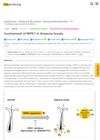
RIPK1 inhibitors might help prevent alopecia areata.
 April 2010 in “The FASEB Journal”
 Korean ginseng berry may help with hair regrowth.
 7 citations
,
December 2008 in “Journal of Dermatological Science”
7 citations
,
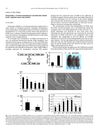
December 2008 in “Journal of Dermatological Science” Progranulin overexpression leads to shorter, thinner hair and increased cell death in mouse hair follicles.
12 citations
,
September 1982 in “Journal of Investigative Dermatology” March 2007 in “Journal of Cell Science” K10 may not prevent tumors as previously thought and might increase benign tumor risk.
33 citations
,
March 1994 in “PubMed” High ODC and low K1 and K10 may indicate early skin tumors in mice.
26 citations
,
July 2007 in “Wound Repair and Regeneration” MRL/MpJ mice heal burns slower with more scarring and less tissue regeneration than BALB/c mice.
 52 citations
,
October 1999 in “Developmental Dynamics”
52 citations
,
October 1999 in “Developmental Dynamics” Mutations in the hairless gene in mice affect its expression and lead to a range of developmental issues in multiple tissues.
 17 citations
,
June 2011 in “The journal of investigative dermatology/Journal of investigative dermatology”
17 citations
,
June 2011 in “The journal of investigative dermatology/Journal of investigative dermatology” The G60S Connexin43 mutation causes hair growth issues and poor hair quality in mice, similar to human ODDD patients.
36 citations
,
August 2023 in “Journal of Investigative Dermatology” Understanding the hair growth cycle in mice is crucial for accurate research, as it affects study results and requires careful timing and methods.
5 citations
,
March 1993 in “The Journal of Cell Biology” A soluble factor in developing mouse whisker pads boosts nerve growth factor mRNA production.
26 citations
,
April 1996 in “Journal of Investigative Dermatology”