19 citations
,
September 2013 in “Psychoneuroendocrinology” Blocking CYP17A1 enzyme may help improve certain brain function issues related to dopamine.
10 citations
,
July 2001 in “PubMed” A new type of pachyonychia congenita may exist, caused by a different keratin mutation.
47 citations
,
July 1997 in “British Journal of Dermatology” The inner root sheath is crucial for hair follicle stability during the transition from growth to involution.
 June 2011 in “Journal of medicine and life science”
 Hizkia fusiforme seaweed extract can help promote hair growth.
 12 citations
,
May 2003 in “Journal of dermatological science”
12 citations
,
May 2003 in “Journal of dermatological science” Hsc70 protein may influence hair growth by responding to androgens.
1 citations
,
July 2025 in “JCI Insight” Hair follicle stem cells help maintain skin health by moving to and supporting the skin's surface layers.
3 citations
,
March 2009 in “Hirosaki University Repository for Academic Resources (Hirosaki University)” Hirosaki hairless rats have sparse, twisted hair due to missing hair keratin genes.
 2 citations
,
May 2023 in “Journal of Advanced Research”
2 citations
,
May 2023 in “Journal of Advanced Research” Two mutations in KRT74 and EDAR genes cause sheep to have finer wool.

The GG genotype of the KRT71 gene leads to longer wool in Gansu alpine fine-wool sheep.
 March 2023 in “JAAD case reports”
 A new genetic change in the keratin 10 gene caused a skin condition called ichthyosis hystrix in a father and his daughter.
April 2017 in “Journal of Investigative Dermatology” Reduced Stx17 expression may contribute to Alopecia Areata.
 1 citations
,
September 2017 in “Journal of Investigative Dermatology”
1 citations
,
September 2017 in “Journal of Investigative Dermatology” Hair care products reduced hair roughness, a combination of Stemoxydine and Resveratrol increased hair density, fermented mackerel oil promoted hair growth, and genes TERT and Bmi-1 helped create new hair follicles.
RADA16-I improves hair growth on deep burn wounds better than other materials.
 1 citations
,
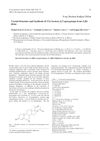
January 2009 in “X-ray Structure Analysis Online”
1 citations
,
January 2009 in “X-ray Structure Analysis Online” A new compound was made that might help treat diseases related to male hormones.
2 citations
,
May 2020 in “Anais brasileiros de dermatologia/Anais Brasileiros de Dermatologia” The study found that specific proteins are markers of hair follicle development in human fetuses.
3 citations
,
January 2023 in “JEADV Clinical Practice” IL-17 is more important than IFN-γ in causing severe hair loss in chronic alopecia areata.
January 1993 in “Nihon Chikusan Gakkaiho” Trichocytic cytokeratin expression starts earlier in whiskers than in body hair during rat embryo development.
78 citations
,
November 2005 in “Endocrinology” Hairless protein can block vitamin D activation in skin cells.
21 citations
,
August 2011 in “BMB Reports” A stable cell line for hair research was created without causing tumors.
January 2003 in “The Chinese Journal of Burns Wounds & Surface Ulcers” CK 19 expression is higher in more severe skin cancers.
January 2016 in “DOAJ (DOAJ: Directory of Open Access Journals)” Collagen XVII is important for cell functions and its absence can worsen cancer outcomes.
42 citations
,
June 2002 in “Molecular and Cellular Biology” Keratinocyte gene expression is controlled by multiple modules with specific binding sites.
 September 2016 in “Journal of Dermatological Science”
 A gene mutation worsens skin irritation in mice due to a lack of certain fats.
 354 citations
,
February 2011 in “Genes & Development”
354 citations
,
February 2011 in “Genes & Development” EZH1 and EZH2 are crucial for healthy hair growth and skin repair.
December 1990 in “PubMed” Topical 17 alpha-propylmesterolone increases hair cell growth in androgenetic alopecia.
10 citations
,
October 2000 in “PubMed” E6/E7 oncogenes in hair follicles cause continuous hair growth by skipping the resting phase.
20 citations
,
December 1999 in “Journal of Investigative Dermatology” Mutations in the hHb6 gene cause the hair disorder monilethrix.
 17 citations
,
May 2011 in “Gene Therapy”
17 citations
,
May 2011 in “Gene Therapy” Using polyethylenimine-DNA to deliver the hTERT gene can stimulate hair growth and may be useful in treating hair loss, but there could be potential cancer risks.
48 citations
,
February 2010 in “Molecular biology reports” KAP7.1 and KAP8.2 genes are crucial for cashmere quality in goats.
20 citations
,
October 1995 in “Biochimica et Biophysica Acta (BBA) - Gene Structure and Expression” hHb1, hHb3, and hHb6 mRNAs start expressing at the same time in hair follicles.