 29 citations
,
January 2021 in “Journal of Investigative Dermatology”
29 citations
,
January 2021 in “Journal of Investigative Dermatology” Fat under the skin releases HGF which helps hair grow and gain color.
3 citations
,
October 2024 in “Animals” Crimped wool has proteins linked to crimp formation, while straight wool has proteins linked to fiber fineness, which can improve wool quality and value.

PRP-exosomes improve hair growth and reduce inflammation.
December 2024 in “Jurnal Insan Farmasi Indonesia” Chloroform extract from onchidiid snail promotes hair growth in rats.
July 2024 in “Journal of Investigative Dermatology” Treating gastrointestinal issues can reduce rosacea flares, and treating rosacea can lower gastrointestinal problems.
November 2016 in “Oncology Letters” Milia may come from the outer part of the hair follicle.
 November 2004 in “Postgraduate obstetrics & gynecology”
 I'm sorry, but there's not enough information to provide a summary.
25 citations
,
September 2014 in “SpringerPlus” Sheep have a unique gene, KAP8-2, that humans don't have, which may affect wool properties.
 2 citations
,
January 2022 in “International Journal of Medical Sciences”
2 citations
,
January 2022 in “International Journal of Medical Sciences” Kartogenin may help treat hair loss by promoting hair growth and extending the hair growth phase.
5 citations
,
June 2008 in “British Journal of Dermatology” 57 citations
,
January 1987 in “Journal of Biological Chemistry” Different keratins have unique expression patterns in mouse skin cells.
2 citations
,
May 2024 in “BMC Genomics” Certain genetic changes in the KRT82 gene may cause patchy skin in New Zealand rabbits.
25 citations
,
August 2020 in “Experimental eye research/Experimental Eye Research” Different types of cells in the eye express specific keratins at various stages of development.
6 citations
,
January 2010 in “Journal of Biochemical and Molecular Toxicology” The ID2 gene can help distinguish between sensitizers and irritants in skin cells.
March 2026 in “International Journal of Cosmetic Science” Pal-KCV peptide strengthens hair and reduces breakage by up to 52%.
5 citations
,
July 2014 in “Molecular Biology Reports” 49 citations
,
October 1989 in “Genomics” Type I keratin genes are closely linked to the rex locus on mouse chromosome 11, affecting hair development.
62 citations
,
December 2007 in “Journal of Cellular and Molecular Medicine” Kremen is crucial for proper development and preventing tumors by regulating Wnt signaling.
52 citations
,
May 1997 in “Journal of Biological Chemistry” High ornithine decarboxylase levels may lead to hair loss and cancer by increasing CK2 activity in the nucleus.
A KRT32 gene variant causes loose anagen hair syndrome.
 May 2012 in “Research and reports in neonatology”
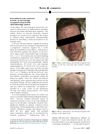
 The newborn with Klippel-Trénaunay syndrome was healthy but needed regular check-ups for possible complications.
 2 citations
,
November 2018 in “JAAD case reports”
2 citations
,
November 2018 in “JAAD case reports” Drinking kava tea can cause a skin reaction with red, swollen bumps, which may improve with steroids.
51 citations
,
December 2006 in “Mammalian Genome” November 2010 in “Bradford Scholars (University of Bradford)” KATP channels are crucial for hair growth, and targeting them may lead to new hair loss treatments.
12 citations
,
October 2018 in “Biotechnology reports” Recombinant keratin K31 makes damaged hair thicker, stronger, and straighter.
18 citations
,
February 1992 in “Molecular Biology Reports” A specific type II hair keratin was identified and found in hair cortex and tongue cells.
 9 citations
,
April 2019 in “International Journal of Molecular Sciences”
9 citations
,
April 2019 in “International Journal of Molecular Sciences” Kojyl cinnamate ester derivatives can promote hair growth by increasing adiponectin production in fat tissues.
January 2026 in “Human Mutation” T cell subsets are crucial in kidney cancer, and a new model predicts patient outcomes using key genes.
 9 citations
,
January 2008 in “Acta histochemica et cytochemica”
9 citations
,
January 2008 in “Acta histochemica et cytochemica” COX-2 levels change during the hair cycle and affect skin and hair growth.
 April 2021 in “Research Square (Research Square)”
 The new cocrystal KET-PABA is a more effective and safe anti-inflammatory treatment for skin conditions in mice.