 17 citations
,
September 2014 in “PLoS ONE”
17 citations
,
September 2014 in “PLoS ONE” SK2 channels help control sensory signals in rat muscle spindles and hair follicles.
13 citations
,
May 2001 in “Current problems in dermatology” Keratin proteins in epithelial cells are dynamic and crucial for cell processes and disease understanding.
 March 2026 in “Zenodo (CERN European Organization for Nuclear Research)”
 The N-K GM Series offers treatments for full hair restoration and permanent hair removal, claiming 100% effectiveness without side effects.
 March 2026 in “Zenodo (CERN European Organization for Nuclear Research)”
 The N-K GM Series offers treatments for full hair restoration and permanent hair removal, claiming 100% effectiveness without side effects.
 January 2025 in “Journal of Fungi”
 Advanced dermoscopy techniques improve diagnosis and treatment monitoring for Kerion celsi but don't guarantee full hair regrowth.
 2 citations
,
April 2025 in “Cureus”
2 citations
,
April 2025 in “Cureus” Ki-67 levels do not predict treatment response in triple-negative breast cancer.
 April 2021 in “Indian pediatrics case reports”
 A child's hair loss after Kawasaki disease may help understand the disease's autoimmune causes.
109 citations
,
November 2011 in “Nature Neuroscience” December 2015 in “OPAL (Open@LaTrobe) (La Trobe University)” QLT0267 stops hair follicle cell growth and movement.
November 2013 in “Faculty Opinions – Post-Publication Peer Review of the Biomedical Literature” Keratin 79 cells help form and regenerate hair canals.
23 citations
,
September 2013 in “Molecular Carcinogenesis” Increased Stat3 activity reduces hair follicle stem cells and boosts other stem/progenitor cells.
 7 citations
,
January 2016 in “Laboratory Investigation”
7 citations
,
January 2016 in “Laboratory Investigation” TR3 is mainly found in hair follicle stem cells and may be involved in hair loss.
2 citations
,
March 2012 in “Hiroshima University Acedemic Information Repository (Hiroshima University)” Kainar syndrome symptoms may be linked to nuclear test exposure effects.
13 citations
,
March 1997 in “Research in Veterinary Science/Research in veterinary science” Epithelial proliferation and hyperkeratosis are linked to gastric ulcers in pigs.
July 2024 in “Journal of Investigative Dermatology” ATR12-351 ointment safely delivers LEKTI protein to the skin, reducing enzyme activity in Netherton syndrome.
 122 citations
,
June 2002 in “Genes & Development”
122 citations
,
June 2002 in “Genes & Development” Keratin 17 is crucial for early hair strength and cell survival.
27 citations
,
February 2003 in “European Journal Of Oral Sciences” SVpgC2a cells show abnormal growth and keratin changes, modeling early cancer development.
35 citations
,
January 2008 in “American Journal of Clinical Dermatology” KFSD can be linked to acne keloidalis nuchae and tufted hair folliculitis.
January 2006 in “Chieh P'ou Hsueh Pao” A method was found to select hair follicle stem cells, and beta-catenin helps them grow and change.
 May 2012 in “Research and reports in neonatology”
 The newborn with Klippel-Trénaunay syndrome was healthy but needed regular check-ups for possible complications.
26 citations
,
March 1995 in “Differentiation” A rabbit gene important for hair development was identified and detailed.
9 citations
,
February 2001 in “Journal of Dermatological Science” p21waf1/cip1 and p27kip1 help in hair follicle differentiation in rats.
Skin issues are common in kids with chronic kidney disease.
 10 citations
,
May 2017 in “CMAJ. Canadian Medical Association journal”
10 citations
,
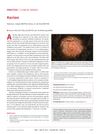
May 2017 in “CMAJ. Canadian Medical Association journal” The boy had a fungal scalp infection called kerion, which was cured with oral antifungal medication.
January 2019 in “대한피부과학회지” Kerion cases had longer disease duration but responded well to antifungal treatments.
 29 citations
,
November 2011 in “Veterinary pathology”
29 citations
,
November 2011 in “Veterinary pathology” The study found that mouse sweat glands develop before birth, mature after birth, and have specific keratin patterns.
September 2009 in “Encyclopedia of Life Sciences” The KRTAP gene family helps understand hair evolution and hair disorders.
January 2012 in “DigtalCommons @ Texas Medical Center Library (Texas Medical Center)” Stat3 affects skin cancer development by altering keratinocyte stem cell behavior.
 7 citations
,
February 1998 in “Polymer journal”
7 citations
,
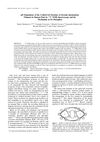
February 1998 in “Polymer journal” Keratin structure in hair is stable at pH 5-6 but disrupts between pH 6-7.
 10 citations
,
November 1997 in “British Journal of Dermatology”
10 citations
,
November 1997 in “British Journal of Dermatology” A 10-year-old boy had the earliest reported case of hair that became progressively kinkier but eventually returned to normal on its own.