 10 citations
,
January 2008 in “Biological and Pharmaceutical Bulletin”
10 citations
,
January 2008 in “Biological and Pharmaceutical Bulletin” t-Flavanone may help hair growth by reducing a specific protein's activity in skin cells.
Cassia HPTC is an effective hair conditioner, better than some traditional options.
 5 citations
,
February 2024 in “Clinical Pharmacokinetics”
5 citations
,
February 2024 in “Clinical Pharmacokinetics” A 50 mg daily dose of ritlecitinib is effective for alopecia areata, with temporary treatment breaks up to 6 weeks not affecting results.
 February 2026 in “Pharmaceuticals”
 KRDQN effectively predicts adverse drug reactions with high accuracy and clear explanations.
3 citations
,
October 2024 in “Animals” An allele of the KRTAP13-2 gene may improve wool quality in sheep.
 November 2023 in “Advanced Science”
 A specific hair protein variant increases the spread of breast cancer and is linked to worse survival rates.
 April 2023 in “Dermatologic surgery”
 The new graft-holding solution is better at preserving hair grafts and reducing hair shedding after transplantation than the standard solution.
 3 citations
,
January 2024 in “Annals of Dermatology”
3 citations
,
January 2024 in “Annals of Dermatology” The criteria help doctors diagnose and treat alopecia areata more effectively.
September 2025 in “Animals” The KRTAP22-2 gene in sheep does not significantly affect wool traits.
 September 2015 in “Korean Journal of Clinical Pharmacy”
 Dutasteride is highly effective for hair loss treatment in Korea, with more side effects than finasteride.
2 citations
,
August 2022 in “Animals” Different versions of the KRTAP6-2 gene in goats can lead to thinner cashmere fibers.
2 citations
,
September 2024 in “Expert Opinion on Drug Metabolism & Toxicology” Ritlecitinib is an effective new treatment for Alopecia Areata.
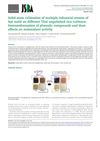 June 2024 in “Okayama University Scientific Achievement Repository (Okayama University)”
 Koji mold on unpolished Thai-colored rice boosts antioxidant activity more than on other rice types.
3 citations
,
November 2020 in “Dermatologic Therapy” Start with 2.5 mg/mL triamcinolone acetonide for scalp alopecia areata and increase if needed.
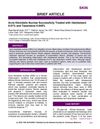 July 2022 in “SKIN The Journal of Cutaneous Medicine”
 A new lotion with halobetasol and tazarotene successfully treats acne keloidalis nuchae.
Sea cucumber extract reduces hair loss and improves scalp health after dyeing.
 March 2025 in “International Journal of Molecular Sciences”
 The study created a mouse model to better understand hair follicle stem cells' role in hair growth and repair.
 August 2026 in “Bone and Joint Research”
 TTT speeds up diabetic wound healing by mobilizing specific immune cells.
1 citations
,
January 2009 in “The Open Dermatology Journal” Chemotherapy caused nail grooves and separation, but they healed after treatment stopped.
December 2007 in “대한피부과학회지” The treatment increased total hair count but wasn't significantly better than placebo.
 38 citations
,
January 2016 in “Cell Death and Disease”
38 citations
,
January 2016 in “Cell Death and Disease” The TCL1 transgenic mouse model is useful for understanding human B-cell leukemia and testing new treatments.
35 citations
,
September 2003 in “Archives of dermatology” Tiger tail bands in hair are caused by wavy hair fibers with melanin, unlike straight fibers in normal hair.
3 citations
,
October 2018 in “Journal of cosmetic dermatology” Pentoxifylline alone and combined with triamcinolone acetonide is effective for treating localized alopecia areata, with the combination showing the highest effectiveness.
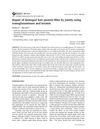 3 citations
,
January 2021 in “ScienceAsia”
3 citations
,
January 2021 in “ScienceAsia” Using an enzyme and keratin treatment can significantly repair and strengthen damaged hair.
15 citations
,
February 2015 in “Anais brasileiros de dermatologia/Anais Brasileiros de Dermatologia” Dermoscopy helps accurately diagnose temporal triangular alopecia, avoiding unnecessary treatments.
6 citations
,
January 2006 in “Journal of dermatological science” Runx1 helps control the KAP5 gene in human hair follicles.
January 2006 in “대한피부과학회지” Using finasteride and minoxidil together improves the frontal hairline best in male hair loss.
 August 2024 in “Archives of Dermatological Research”
 Combining botulinum toxin type A with Minoxidil significantly improves hair growth and patient satisfaction in male hair loss.
February 2026 in “International Journal of Dermatology” Ritlecitinib shows promise in improving hair regrowth in adolescents with alopecia areata.
December 2025 in “The Journal of Dermatology” Ritlecitinib effectively reduces hair loss in JAK inhibitor-naïve alopecia areata patients.