Topical 5% minoxidil is safe and effective for treating hair loss in Korean men.
10 citations
,
January 2004 in “Journal of Investigative Dermatology” Krt6a-Cre transgenic mice help study gene effects on hair follicle development and tumor suppression.
2 citations
,
March 2009 in “Journal of Clinical Dermatology” Topical 5% minoxidil is safe and effective for treating hair loss in Korean men.
 September 2023 in “Journal of The American Academy of Dermatology”
 Dutasteride is safe and effective long-term for male hair loss.
11 citations
,
April 1997 in “International Journal of Dermatology” Using tretinoin with triamcinolone acetonide helps treat alopecia areata.
7 citations
,
September 2024 in “The Journal of Dermatology” Ritlecitinib helps regrow hair in people with alopecia totalis and universalis and is safe to use.
 30 citations
,
January 2014 in “Dermatologic Clinics”
30 citations
,
January 2014 in “Dermatologic Clinics” Tight hairstyles, especially on chemically treated hair, can cause reversible hair loss if caught early but may become permanent if not addressed.
November 2016 in “韓方眼耳鼻咽喉皮膚科學會誌 = The journal of Korean Medicine Ophthalmology & Otolaryngology & Dermatology” Laser therapy and acupuncture helped regrow hair in a patient.
July 2024 in “Journal of Investigative Dermatology” ATR12-351 ointment safely delivers LEKTI protein to the skin, reducing enzyme activity in Netherton syndrome.
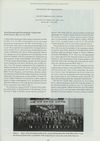 February 1996 in “International Journal of Dermatology”
 The Seoul International Dermatology Symposium was a successful event that highlighted new dermatology treatments and fostered international relations.
October 2025 in “Diagnostics” Temporal triangular alopecia is a harmless, non-progressive hair loss condition.
1 citations
,
September 2023 in “Journal of the American Academy of Dermatology” Continued ritlecitinib treatment can lead to hair regrowth in some patients with alopecia areata who initially don't respond.
June 2026 in “BULLETIN OF STOMATOLOGY AND MAXILLOFACIAL SURGERY” Keratoacanthoma should be accurately diagnosed and treated based on its characteristics, often using surgery or tissue-preserving methods.
11 citations
,
May 2013 in “Journal of Investigative Dermatology” KRTAP10 proteins help form the hair shaft's tough outer layer by interacting with specific hair keratins.
October 2023 in “Lithuanian University of Health Sciences” The TG5 gene affects beef cattle weight, and the CC genotype leads to higher weights.
 126 citations
,
October 2012 in “PLoS ONE”
126 citations
,
October 2012 in “PLoS ONE” Reduced cytokinin levels help plants adapt to low potassium by increasing root hair growth and potassium uptake.
Tianqi trichogen boosts hair growth in animals without causing allergies.
 April 2026 in “Aesthetic Plastic Surgery”
 Refined hair transplantation techniques improved facial aesthetics and satisfaction in East Asian females.
15 citations
,
January 1993 in “DNA sequence” KRT2.13 gene is similar to KRT2.9 but not expressed in hair follicles.
March 2025 in “Journal of Investigative Dermatology” 9 citations
,
January 2024 in “International Journal of Dermatology” Tralokinumab may help improve symptoms of atopic dermatitis and alopecia areata.
13 citations
,
January 2018 in “Advances in experimental medicine and biology” 1 citations
,
January 2016 in “Dermatology Online Journal” Triangular temporal alopecia can occur in adults and should be correctly identified to prevent misdiagnosis.
 5 citations
,
June 2012 in “The journal of investigative dermatology/Journal of investigative dermatology”
5 citations
,
June 2012 in “The journal of investigative dermatology/Journal of investigative dermatology” Putting thymidine dinucleotide on newborn mice's skin can delay and reduce skin cancer.
 11 citations
,
December 2018 in “Journal of Dermatology”
11 citations
,
December 2018 in “Journal of Dermatology” Finasteride effectively treats hair loss in Korean men for at least 5 years, with V type responding better.
 77 citations
,
January 1980 in “Carcinogenesis”
77 citations
,
January 1980 in “Carcinogenesis” TPA is about 50 times more effective at promoting tumors than MZ.
Ritlecitinib significantly regrows scalp hair in people with alopecia areata.
November 2025 in “Journal of Investigative Dermatology” Ritlecitinib effectively treats severe Alopecia Areata by reducing harmful immune activity in the skin.
28 citations
,
August 2005 in “Journal of Investigative Dermatology” TG5 helps maintain hair follicle health, while TG3 aids in hair shaft development.
 10 citations
,
January 2008 in “Biological and Pharmaceutical Bulletin”
10 citations
,
January 2008 in “Biological and Pharmaceutical Bulletin” t-Flavanone may help hair growth by reducing a specific protein's activity in skin cells.